Kayak Adventures in Mabel, Florida
Mabel Kayak Guide

Kayak Adventures in Mabel, Florida

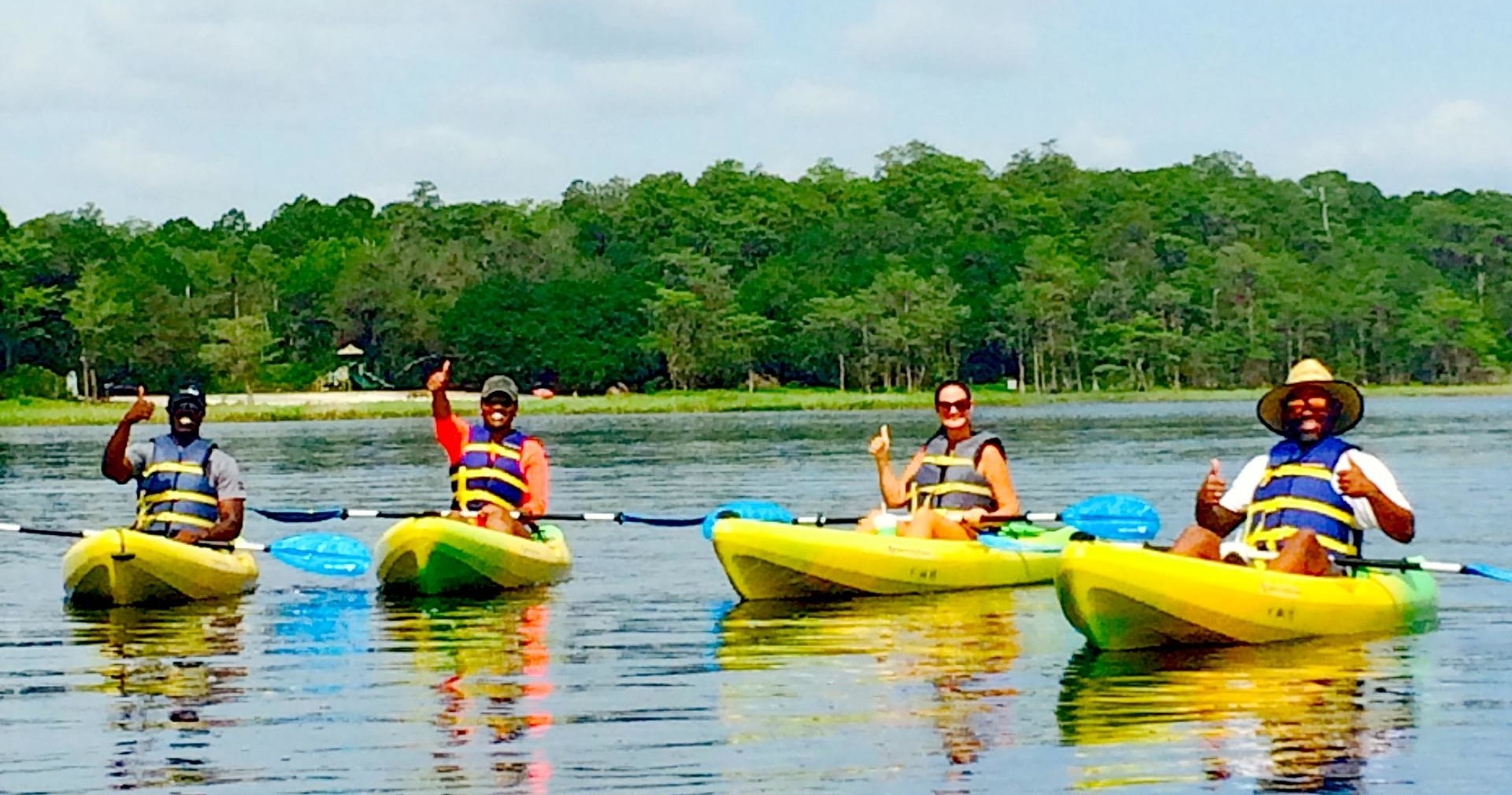
Mabel sits quietly where freshwater veins thread through forest and farmland — an understated launching point for slow, contemplative paddling. Kayaking here means trading dramatic cliffs for intimate waterways: narrow channels braided with cypress knees, open river bends that catch afternoon light, and hidden backwaters where birds hunt and turtles sun. This guide focuses on planning paddles around Mabel — how to read the water, what wildlife and habitats to expect, ideal seasons for comfort and safety, and simple logistics for rentals, launches, and related outdoor activities like birding and light fishing.

Central Florida waterwaysSpring-fed creeksTannic rivers & cypress swamps

Live destination inventory

Top Kayak Trips in Mabel

61 trips · Book with confidence · Instant confirmation

The prototype intentionally does not invent replacement trip cards or add images that are not already part of the live source page.

The city from the water

Why Mabel Is a Special Spot for Kayaking

If you come to Mabel expecting whitewater rapids or long open-coast crossings, you’ll be rewarded instead with a quieter type of immersion: slow, sensory paddling through a landscape shaped by freshwater and time. The waterways around Mabel are the kind that invite you to lower your speed, listen for the call of a kingfisher, and watch light pool under the domes of live oaks and bald cypress. Water here is often tannic — a tea-colored clarity that highlights submerged roots and fallen limbs rather than reflecting endless blue sky. That color is part of the region’s character and tells a story about the surrounding wetlands, leaf litter, and slow-moving currents. This is paddling for people who want proximity to wildlife and an intimate reading of river features. Expect narrow channels that require precise edging and low-profile maneuvering, especially after rains when side creeks open. In the cooler months you’ll often glide past flocks of wading birds, spot turtles sunning on logs, and — with quiet luck — see the slow roll of a gator in the shallows. In spring and early summer the canopy fills again with new leaves, insects increase, and the soundscape shifts to the hum of dragonflies and the buzz of cicadas. For photographers and birders, these are prime conditions: the low-angle light of morning and late afternoon creates pockets of warm contrast and silhouettes among the trees. Beyond the natural rhythms, Mabel’s paddling scene is quietly practical. Launches are often modest put-in sites: county boat ramps, improvised pull-offs, and private access points shared by local outfitters. That means planning ahead — checking tide or river-level reports where relevant, scouting vehicle access for trailers, and confirming parking rules. The town’s unhurried pace also makes it a good base for combining paddling with other low-impact outdoor activities: early-morning birding walks, roadside wildflower stops, casting a line for freshwater fish, or rolling out a hammock at a picnic spot after a half-day paddle. For those who prefer to keep the weight light, day trips from town let you experience the waterways without committing to multi-day logistics. For multi-sport travelers, pairing a morning paddle with an evening bike ride or a local canoe trip extends the local narrative of slow, landscape-centered exploration. Finally, safety and etiquette matter here in ways that feel both simple and essential. The narrow channels reward slow, predictable movement: announce yourself when passing other paddlers, give wildlife wide berth, and watch for low branches and submerged obstacles. In Florida, weather can change quickly — summer afternoon storms are a regular feature— while cooler months bring calmer winds and clearer skies. Reading those cues and preparing accordingly will make paddling in Mabel not only relaxing but quietly unforgettable.

Small, intimate waterways: ideal for relaxed exploration, nature photography, and birding.

Seasonal contrasts: fall through spring brings milder temps and fewer insects; summers are warm with afternoon storms.

The harbor is the gateway, and the Pacific becomes the classroom.

Access is low-key: expect modest launch areas rather than large commercial marinas.

Complementary activities: fishing, birdwatching, light hiking, and paddleboarding nearby.

Activity focus

Choose by purpose

Whale watching, snorkeling, sunset sailing, cultural canoeing, harbor sightseeing, or private chartering.

Departure hubs

Start near the city

Waikiki and Honolulu Harbor are primary hubs, with some trips launching near Hanauma Bay.

Accessibility

Confirm the vessel

Gangways, shaded seating, and boarding requirements vary according to vessel size and operator.
Seasonal planning

Best Time to Visit

Mabel is warm year-round, but wind, swell, migration, visibility, and demand change the best match between traveler and trip.

Mabel boat tour
Year-round destination

Seasonal highlights change the reason to go

Winter favors humpback encounters; warmer, calmer months favor snorkeling visibility and smoother water.

Humpback season

Late fall through spring (birding and comfortable paddling conditions)

Prime whale watching, winter holidays, higher demand, and earlier sell-outs.

Snorkeling window

October–November–December–January–February–March–April–May

Typically gentler seas and clearer water for snorkeling trips.

Weather notes

Trade winds year-round

Fall through spring brings milder temperatures, lower humidity, and reduced insect pressure — ideal for longer days on the water. Summers are hot and humid with frequent afternoon thunderstorms; strong sun and sudden storms can create unsafe conditions on open stretches.

Quieter opportunities

Late spring & summer weekdays

Summer paddles offer lush green scenery and fuller creeks; early mornings avoid heat and storms. Off-season can also mean fewer paddlers on local put-ins.

Match the trip to your comfort

Choose Your Experience Level

Low effort

Beginner

Short, sheltered paddles on slow-moving rivers and protected backwaters with easy put-ins and limited wind exposure.

  • Calm half-day river loop
  • Short wildlife-focused paddle near town put-ins
  • Beginner-friendly spring run exploration
Active day trip

Intermediate

Longer downstream paddles that require comfort with navigation, reading current and wind, and occasional portaging around shallow or obstructed sections.

  • Full-day downstream route with shuttle
  • Mixed channel-and-backwater exploration
  • Photography-focused sunrise or golden-hour paddle
Longer or technical

Advanced

Extended multi-launch routes, paddles requiring advanced route-finding through braided channels, and trips that cross exposed river bends in variable wind conditions.

  • Multi-launch circuit linking several creeks and backwaters
  • Long solo day trips with remote re-entry points
  • Expedition-style paddles requiring self-rescue skills

Prepare for sun, spray, and swell

What to Bring

Essential

Core kit

  • Personal flotation device (PFD) — required and must fit
  • Dry bag for phone, keys, and layers
  • Footwear suitable for wading and launches
  • Sun protection: hat, sunglasses with retainer, reef-safe sunscreen
  • Water and sun-safe snacks
Recommended

Useful extras

  • Light spray skirt or splash jacket during cool or windy days
  • Insect repellent (especially late spring–summer)
  • Map or downloaded route on a GPS app
  • Whistle and small first-aid kit
  • Bilge pump or sponge for sit-on-top boats
Optional

Trip-specific

  • Binoculars for birding
  • Camera with protective case
  • Fishing license and simple tackle for casual angling
  • Compact folding seat cushion for longer paddles
Check local access rules and weather before you go; practice low-impact paddling and give wildlife room.

Insider Tips & Local Knowledge

Reserve whale-watching and popular sunset cruises well ahead during December–April.
Choose morning snorkeling departures for calmer seas and better underwater visibility.
For motion sensitivity, choose a larger vessel, sit mid-ship, and take preventative medication before boarding.
Do not touch coral or wildlife, avoid standing on reefs, and use reef-safe sunscreen.
Community-based operators may add context about traditional navigation and stewardship.
Arrive early for parking and check-in because Waikiki departure areas can be busy.

Planning questions

Frequently Asked Questions

Most public launches do not require a special permit, but specific state or county boat ramps may have parking fees or day-use rules. Check local county websites or outfitters for current access details.
Kayak Adventures in Mabel, Florida
Ready for your kayak adventure?

Browse 61 verified trips in Mabel.

Compare current availability and book with instant confirmation.

Explore Mabel kayak