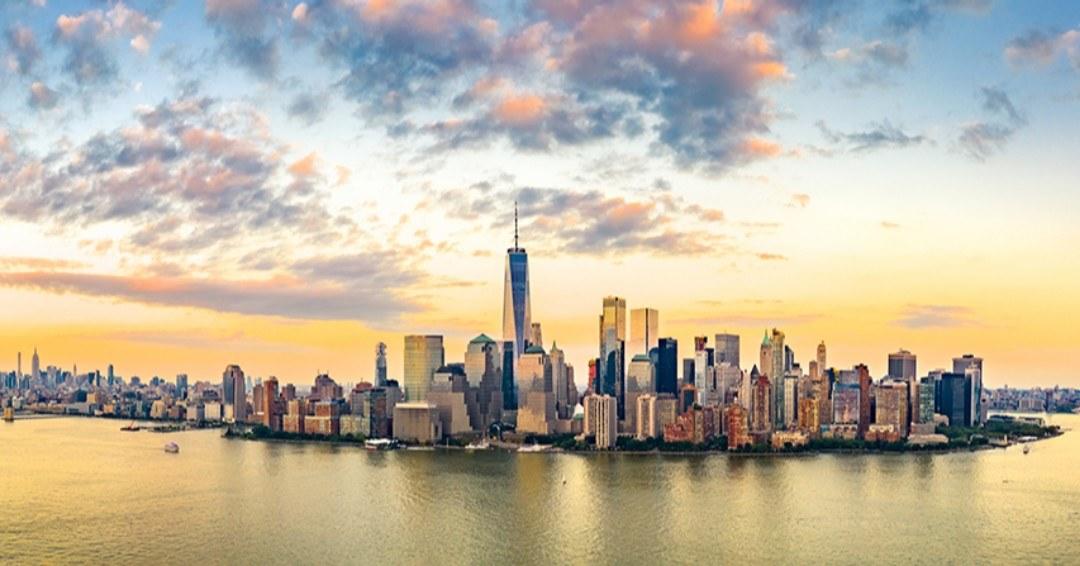
There is an uncanny intimacy to low-level flight over suburban New Jersey that larger coastal vistas do not offer. From the cabin or basket, Madison unfolds as a richly textured study in transitions: manicured collegiate quads at Drew University give way within minutes to marshy channels of the Great Swamp, early-20th-century neighborhoods nestle against tree-lined ridgelines, and the distant Manhattan skyline punctuates the horizon on the kind of clear day that photographers hope for. Air activities here are less about extreme altitudes and more about perspective—fast, focused surveys that reveal how geology, hydrology, and human settlement braid together across a fairly compact region.
Madison’s location makes it a practical base for a range of aerial experiences. Morristown Municipal Airport, just a short drive away, supports sightseeing flights and small-plane charters that can tailor routes over the Watchung Ridge, local reservoirs, and the vast wetland swaths of the Great Swamp National Wildlife Refuge. For a more elemental experience, early-morning balloon flights launched from nearby open fields trade speed for stillness: drifting over the treetops as light curdles into the Valley below, with long shadow play and the soft soundscape of suburban wildlife waking up. Helicopter tours and private rotorcraft flights add a different tempo—snapping up, banking over ridgelines, and plumbing tighter views of landmark river bends and transport arteries.
Seasonality plays a loud role in what you’ll see and how you’ll feel aloft. Spring and fall offer the cleanest visibility and the most agreeable temperatures for open‑air experiences; fall colors along the Watchung ridges and the swamp edge are especially dramatic at low altitudes. Summer can be hazy and thermally active—great for balloonists on stable mornings but prone to afternoon turbulence for powered craft—while winter flights reward crisp clarity on cold, dry days but require flexible planning around weather and shorter daylight. Because many air activities operate from small airfields or privately leased launch sites, bookings are sensitive to both sunlight and wind windows. A successful fly day around Madison is often the result of simple coordination: an early start, a flexible return plan, and a local operator who knows the microclimate.
Beyond the pure thrill of airborne vantage points, flying here opens practical chances to pair complimentary outdoor activities. A dawn balloon or scenic plane flight makes for a poetic prelude to a shoreline walk around Paradise Pond, a hike on nearby Watchung Reservation trails, or a photo excursion through Madison’s historic center. Birders benefit too: the Great Swamp is a major seasonal stopover, and low, quiet aerial tours can reveal wetland mosaic patterns that ground-based observation misses. Environmental considerations matter—flying low over sensitive wildlife areas is often restricted to protect nesting or migration patterns—so prudent pilots and operators route flights with refuge guidelines and seasonal advisories in mind.
For travelers, the most rewarding aspect of air activities near Madison is how quickly the extraordinary becomes accessible. Within a morning you can swap sidewalk rhythm for a horizon-wide smoothing of the landscape, return by noon with a new mental map of the region, and spend the afternoon translating that aerial memory into ground-level exploration: visiting a conservation trail you spotted from altitude or timing a sunset at an overlook you suddenly know exists. This is aviation as reconnaissance and romance in equal parts—grounded in local knowledge, seasonal timing, and an appetite for seeing a familiar place from an unfamiliar angle.
Short flights and balloons are ideal for capturing seasonal color and the mosaic of wetlands, suburban blocks, and ridgelines that define Madison’s surroundings.
Local airports and small-field operators offer customizable routes, but pilots will routinely adjust plans for weather, refuge advisories, or noise-sensitive neighborhoods.
The harbor is the gateway, and the Pacific becomes the classroom.
Pairing an aerial flight with a ground activity—hiking, birding, or a historic walk—creates a layered day where the air experience informs what you choose to explore next.
Choose by purpose
Whale watching, snorkeling, sunset sailing, cultural canoeing, harbor sightseeing, or private chartering.
Start near the city
Waikiki and Honolulu Harbor are primary hubs, with some trips launching near Hanauma Bay.
Confirm the vessel
Gangways, shaded seating, and boarding requirements vary according to vessel size and operator.