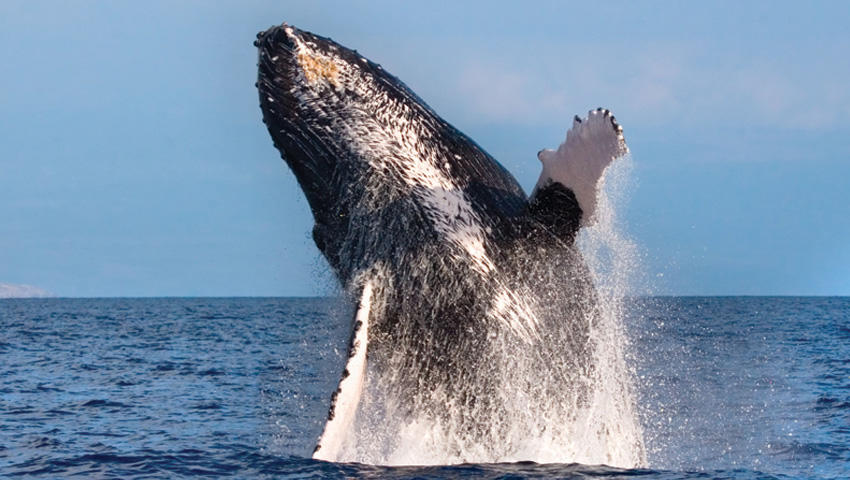
There are places where whales are a spectacle to be glimpsed from crowded piers, and there are places where the ocean itself seems to open a corridor just for them. Makaha is the latter. On Oʻahu's leeward flank the coastline drops away, and offshore swells follow routes that humpback whales favor during their seasonal migration. From December through April, the sea becomes a theater. Pods surface in slow, choreographed movements: exhalations steaming in cool air, tails flipping in slow arcs, and prolonged spyhops that lift dark eyes above the water to regard the passing world.
What differentiates Makaha is its mood. Compared with the busier harbors on the island’s south and east sides, the Leeward Coast retains a quieter, more local rhythm. Small family-run operators launch from low-key ramps and secluded bays; shorelines are less developed, offering cliffside vantage points and hidden beaches that double as natural observatories. The whales here often travel close to shore, drawn by deep-water channels and prey patterns shaped by currents that skirt the coastline. That proximity makes Makaha a place where a whale’s fluke or a towering breach can rearrange a day into a story you’ll tell long after the trip.
There’s a cultural dimension, too. Makaha’s communities have deep ties to both the sea and Hawaiian practices—fishing, navigation, and respect for the creatures that pass through their waters. Many local operators emphasize stewardship and NOAA-compliant viewing, combining science-based distance rules with storytelling about the whales’ life cycles, songs, and the fragile ocean habitats that sustain them. Visitors leave with more than a list of sightings: they gain context—how warming seas, changing prey distributions, and coastal development affect migration routes, and what responsible viewing looks like.
Practically speaking, Makaha delivers a versatile whale-watching experience. Mornings often bring calmer seas for comfortable boat trips; afternoon light sculpts the ocean into a photographable palette. Shore-based viewing is an option for travelers who prefer to stay landbound, while photographers and serious naturalists can arrange small-group charters with skippers who know where humpbacks linger and how to position boats for respectful, legal sightings. If you pair a whale-watch with other Leeward Coast activities—surf sessions on legendary breaks, hikes toward Kaʻena Point Natural Area Reserve, or tidepooling at quiet coves—the result is an immersive coastal program that feels restorative instead of rushed.
The variety of experiences is a major draw: choose from short coastal cruises, half-day catamarans, small zodiac tours for photography, or a quiet shore-watching morning at local cliffs—each offers a different balance of comfort, intimacy, and opportunity to see different behaviors.
Seasonality controls the rhythm: December through April brings the humpbacks in numbers and behaviors that are viewable from both boat and shore. Outside that window, the waters are quieter for whale activity but excellent for other Leeward pursuits like surfing, snorkeling, and birding at Kaʻena Point.
Choose by purpose
Whale watching, snorkeling, sunset sailing, cultural canoeing, harbor sightseeing, or private chartering.
Start near the city
Waikiki and Honolulu Harbor are primary hubs, with some trips launching near Hanauma Bay.
Confirm the vessel
Gangways, shaded seating, and boarding requirements vary according to vessel size and operator.