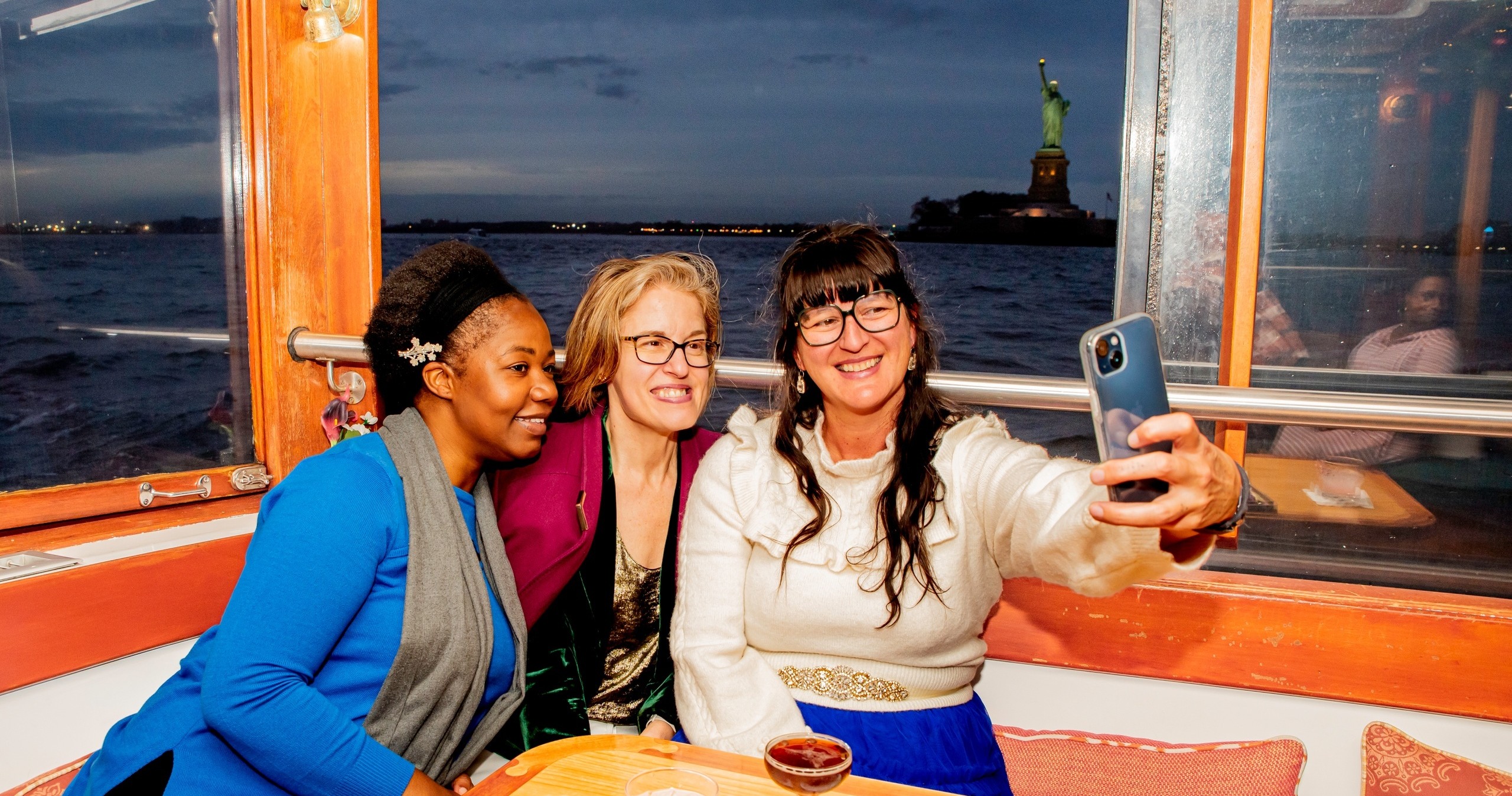
Mariners Harbor occupies a particular seam of the city—part industrial past, part working waterfront, and entirely a gateway to one of the busiest marine corridors on the Eastern Seaboard. From small keelboats to classic sloops and commercial schooner charters, this pocket of Staten Island offers direct launching access into Kill Van Kull and Newark Bay, and from there the wide-open sweep of New York Harbor. That proximity makes Mariners Harbor an appealing base for sailors who want rapid access to bold scenery—the Manhattan skyline, the Statue of Liberty, Verrazzano-Narrows, and the historic shipping channels—without the long transit times typical of many coastal destinations.
On any given summer weekend you’ll find a lively mix of activities: certified instructors running beginning sailing lessons in protected bays, small-boat racers testing boat handling in tidal flows, family-friendly sunset cruises, and overnight charters plotting routes toward Sandy Hook or the quieter eastern reaches of Raritan Bay. The character of sailing here is shaped by contrast: sheltered spots ideal for learning sit beside busy navigation lanes that demand respect for commercial traffic and precise tide planning. That combination makes Mariners Harbor an excellent place to grow as a sailor—learn the basics in calm water, then graduate quickly into real-world coastal navigation under the guidance of local captains.
Beyond the boats, the neighborhood’s maritime history and current industry add texture to the experience. Longshore work, ship repair yards, and small marinas create a practical coastal backdrop rather than a polished tourist strip. Environmentally, the area supports tidal flats and estuarine wildlife—seasonal birding and quiet mangrove-like marshes tucked behind bulkheads—so there are richer natural encounters for those who linger in quiet coves or anchor for a midday swim. Complementary activities abound: kayaking around protected inlets, shore fishing from piers, waterfront dining in adjacent neighborhoods, and guided nature walks that explore the estuary’s ecology.
Practicality sits at the heart of planning a sailing trip from Mariners Harbor. Tides and currents are strong and predictable; charts, local tide tables, and VHF communications are essential. Because shipping lanes channel large vessels through nearby waters, understanding the Traffic Separation Schemes and keeping a watchful eye for tugs and container ships is part of the routine. Seasonally, late spring through early fall offers the most comfortable conditions for most sailors, while shoulder seasons—especially October—can deliver steady breeze and fewer crowds for day-sail opportunities. Winter is quieter and harsher; many charters pause regular operations, but experienced skippers still find value in cold-weather deliveries and off-season maintenance sails. Whether you’re booking your first lesson or planning a weekend coastal passage, Mariners Harbor gives you rapid access to big-water sailing with a neighborhood feel and plenty of practical learning ground.
Proximity to Manhattan and major shipping channels makes day trips both dramatic and instructional—expect skyline views and frequent commercial traffic.
Protected bays and slips around Staten Island provide calm training areas for beginners, while nearby channels present tidal navigation practice for intermediate sailors.
The harbor is the gateway, and the Pacific becomes the classroom.
A working waterfront culture means local operators emphasize safety, situational awareness, and practical seamanship over polished tourism theatrics.
Seasonal variation: summer brings lighter winds and crowded weekend charters; spring and fall offer fresher breeze and clearer visibility for skyline and lighthouse photography.
Choose by purpose
Whale watching, snorkeling, sunset sailing, cultural canoeing, harbor sightseeing, or private chartering.
Start near the city
Waikiki and Honolulu Harbor are primary hubs, with some trips launching near Hanauma Bay.
Confirm the vessel
Gangways, shaded seating, and boarding requirements vary according to vessel size and operator.