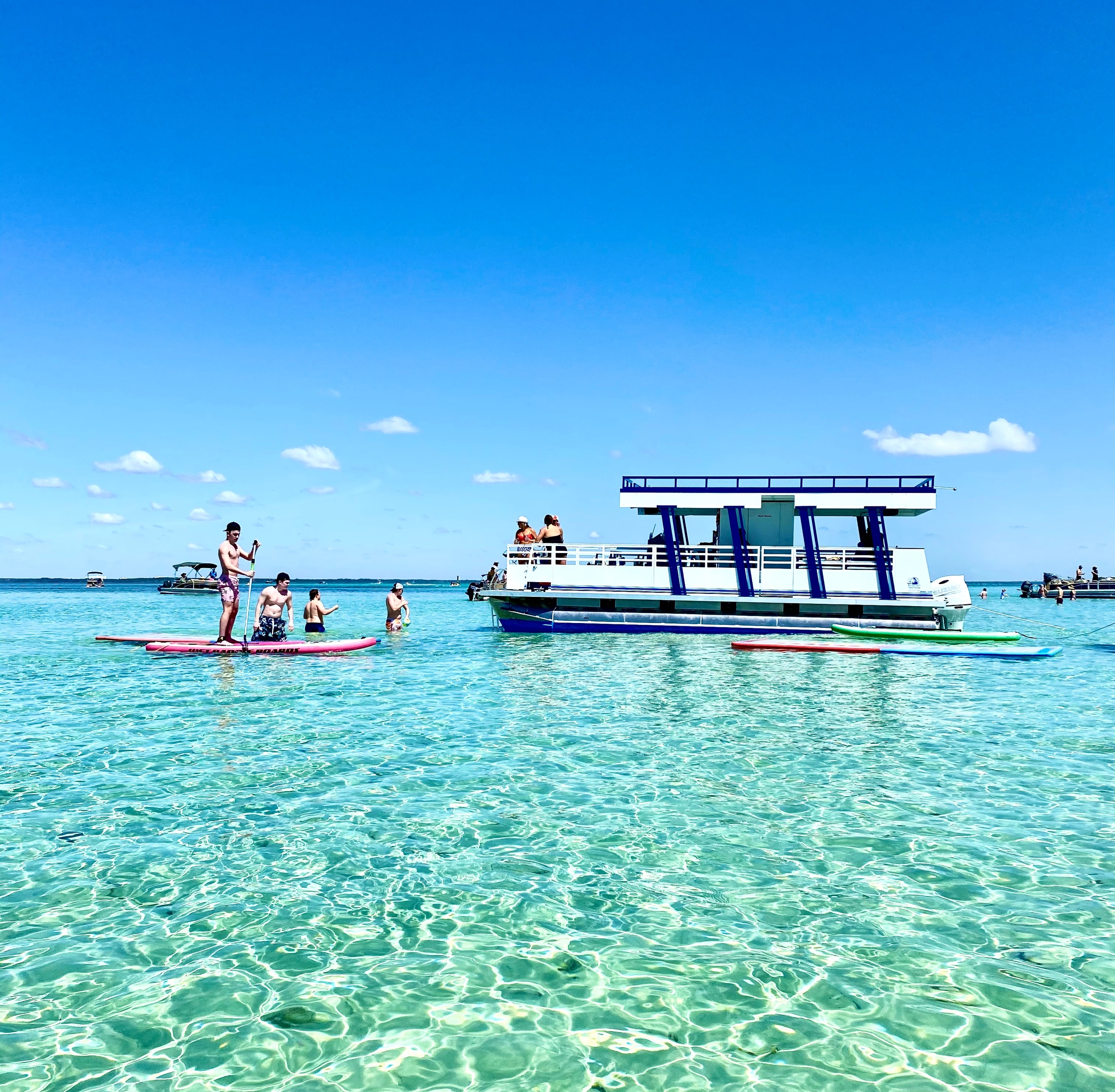
Why Mary Esther Works for Rafting-Style Adventures
On the Gulf Coast, the word "rafting" takes on a coastal accent. In Mary Esther, rafting rarely conjures Class IV drops—here it means inflatable boats and guided flotillas threading tidal creeks, estuarine channels, and the wide, watchful mouth of Choctawhatchee Bay. The experience is intimate rather than adrenaline-first: you run with currents instead of against them, you learn to read tides and bird behavior, and you trade a thunderous canyon for the hush of salt marsh and the bright flash of a kingfisher.
That gentler focus is precisely the point. Mary Esther’s waterways are shaped by shallow beds, seagrass meadows, and soft, brackish channels where the landscape is revealed at two paces: the low tide’s exposed mudflats and the high tide’s stitched-together waterways. Guided trips here emphasize interpretation—how the bay’s inlet shifts with storms, why certain oyster bars are critical for juvenile fish, and how migratory birds use these shallow polygons of habitat. For travelers seeking connection—families introducing kids to paddling, photographers hunting dawn light, or small groups wanting a relaxed day on the water—these trips offer a rich payoff without technical risk.
Accessibility is another advantage. Mary Esther sits within a short drive of several launch sites and tour operators who provide gear, local knowledge, and options that range from two-hour bay tours to half-day eco-ramblers. That means you can pair a calm morning raft with an afternoon of complementary activities: cast a line off a jetty, beach-comb the Gulf shoreline, or explore nearby coastal trails. The relatively sheltered conditions also make these outings a solid choice for mixed-ability groups—older adults and kids can participate without specialized training, though basic comfort in water and attention to paddling instruction remain essential.
Environmental context threads through every outing. Tidal rhythms, seasonal bird migrations, and the aftermath of storm cycles shape what you’ll see and how the trip is run. Operators in the area typically adapt itineraries by water level and weather, pointing out seagrass beds, oyster reefs, and the human stories written into local boat ramps and fishing piers. For adventurous travelers who want their rafting to be less about conquering and more about learning, slowing down, and seeing how coastal ecosystems breathe, Mary Esther’s raft-style experiences are quietly compelling.
Local focus: Most trips operate as guided, small-group outings that emphasize ecology and accessible paddling skills instead of technical whitewater maneuvers.
Versatility: Options range from short bay and estuary tours to longer tidal runs that pair well with fishing, birding, or sunset shoreline cruises.
The harbor is the gateway, and the Pacific becomes the classroom.
Safety and seasonality: Tides and seasonal weather drive itinerary choices; operators often offer morning launches to take advantage of calmer winds and clearer light.
Choose by purpose
Whale watching, snorkeling, sunset sailing, cultural canoeing, harbor sightseeing, or private chartering.
Start near the city
Waikiki and Honolulu Harbor are primary hubs, with some trips launching near Hanauma Bay.
Confirm the vessel
Gangways, shaded seating, and boarding requirements vary according to vessel size and operator.