Photography Tours in Medfield, Massachusetts
Medfield Photography Tour Guide

Photography Tours in Medfield, Massachusetts

Medfield compresses a classic slice of rural New England into walkable lanes, stone walls, and low, weathered barns—conditions that reward photographers who chase light, texture, and quiet human-scale landscapes. This guide focuses on photography tours: short, structured outings and self-guided circuits that emphasize landscape, architectural detail, seasonal color, and wildlife along the town’s trails and backroads.

Rocky Woods ReservationMedfield State Hospital (historic campus)Town Common & Main StreetWetlands and pastoral backroads

Live destination inventory

Top Photography Tour Trips in Medfield

8 trips · Book with confidence · Instant confirmation

The prototype intentionally does not invent replacement trip cards or add images that are not already part of the live source page.

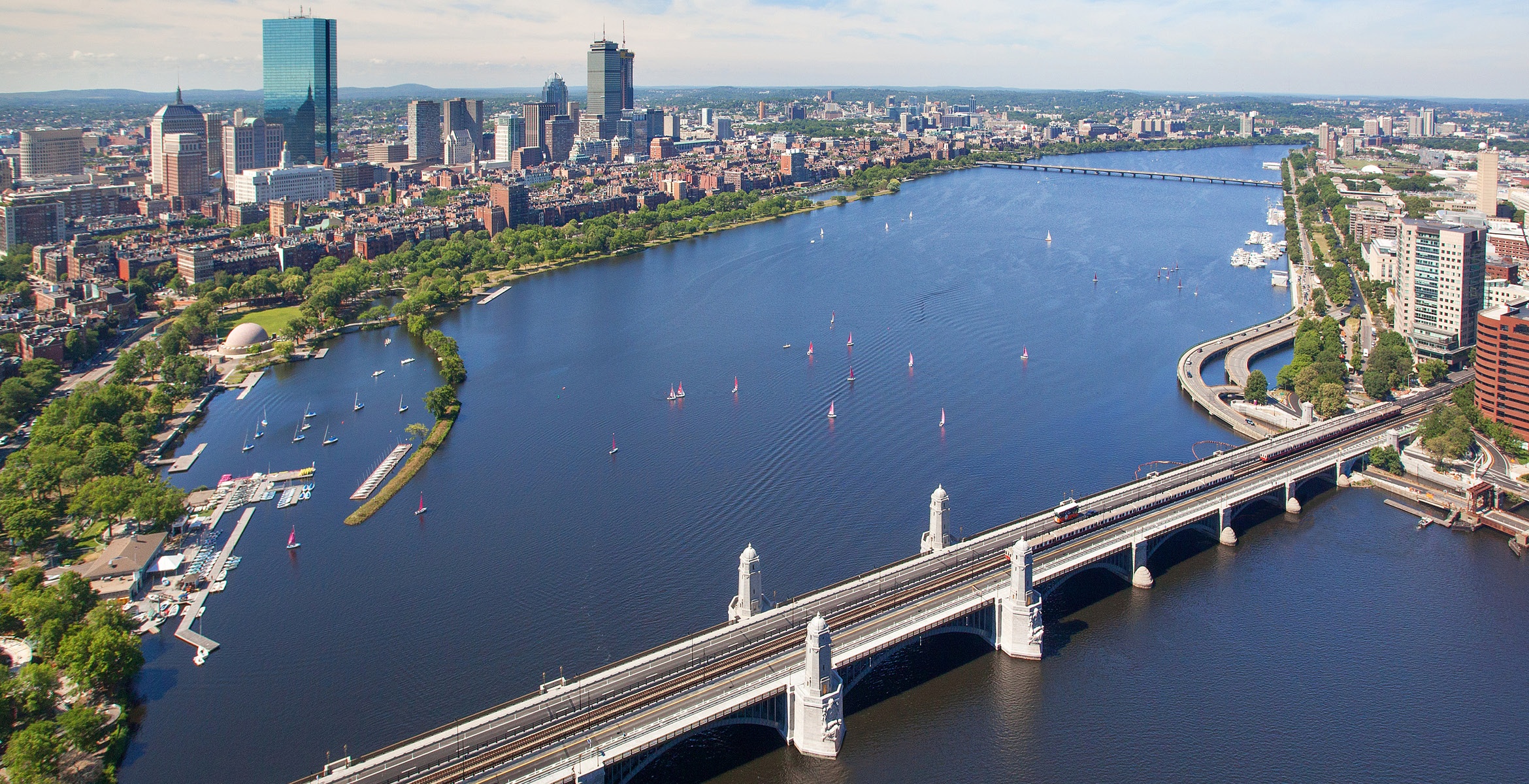
The city from the water

Why Medfield Is a Great Place for Photography Tours

There’s a quiet confidence to Medfield that shows up in photographs: low horizons framed by bare-branched elms in winter, the warm grain of clapboard and brick under late-afternoon sun, and a patchwork of pastures threaded by narrow lanes and stone walls. For photographers who prefer composition over spectacle, Medfield delivers a steady catalogue of intuitive subjects—old schoolhouses and white-steepled churches, an intact town common, the tangled understory of oak-maple woods, and the rocky outcrops of nearby public reservation land. These elements make it an ideal spot for curated photography tours that emphasize craft — finding the decisive frame, working light, and telling a visual story of place. A photography tour here is rarely about chasing dramatic peaks or wide-open seascapes. It’s about nuance: the way frost clings to fence posts on a clear morning, how fog lifts off a wetland and softens distant trees into layers, or how late-spring blossoms create foreground color against a centuries-old barn. The terrain is forgiving, and routes are often short enough to focus on a handful of motifs across a half- or full-day itinerary. That accessibility makes Medfield especially friendly for mixed-ability groups and travelers who want to combine photography with other low-impact outdoor activities—morning birding, short interpretive walks, or a slow golden-hour drive along rural roads. Seasonal change is a defining characteristic of photographic opportunity in Medfield. Spring is for delicate blooms and saturated greens; summer brings leafy canopies and long blue-hour windows for twilight portraits of the common; fall produces layered color and intense side light that sculpts texture; and winter reduces the palette to shape and contrast, offering dramatic monochrome scenes at first light. Each season also changes the ambient wildlife and local rhythms—frog choruses and migrating songbirds in spring, deer activity at dawn and dusk in fall, and the quiet economy of winter light. A thoughtfully planned tour will time key locations for their best light and layer in secondary stops for backups if conditions shift. Finally, Medfield’s human scale is an asset. The town’s historic and agricultural features create visual anchors that photographers can return to across seasons, exploring how a single place transforms through weather and time. Local reservations and conserved farmland provide varied terrain—short rock scrambles, flat wetland edges, and rolling fields—so a photography tour often folds in gentle walking, basic scrambling for vantage points, and opportunities to practice both wide-angle landscape composition and intimate detail work. For travelers looking to learn technique while capturing authentic New England landscapes, Medfield strikes a practical balance: varied subjects, easy logistics, and a pace that privileges observation and craft over ticking off distant landmarks.

Tours are best organized around light: sunrise for wetlands and frost; midday for architectural detail; late afternoon for warm textures and long shadows.

Combine short guided sessions with self-guided time so participants can explore a motif or technique—macro flora, silhouette studies, or seasonal landscapes.

The harbor is the gateway, and the Pacific becomes the classroom.

Local public reservations and conserved parcels produce reliable access and diversity of subject matter without long hikes or technical terrain.

Activity focus

Choose by purpose

Whale watching, snorkeling, sunset sailing, cultural canoeing, harbor sightseeing, or private chartering.

Departure hubs

Start near the city

Waikiki and Honolulu Harbor are primary hubs, with some trips launching near Hanauma Bay.

Accessibility

Confirm the vessel

Gangways, shaded seating, and boarding requirements vary according to vessel size and operator.
Seasonal planning

Best Time to Visit

Medfield is warm year-round, but wind, swell, migration, visibility, and demand change the best match between traveler and trip.

Medfield boat tour
Year-round destination

Seasonal highlights change the reason to go

Winter favors humpback encounters; warmer, calmer months favor snorkeling visibility and smoother water.

Humpback season

Mid-October for fall color.

Prime whale watching, winter holidays, higher demand, and earlier sell-outs.

Snorkeling window

April–May–October–November

Typically gentler seas and clearer water for snorkeling trips.

Weather notes

Trade winds year-round

Medfield experiences classic New England seasons: mild, wet springs; warm, occasionally humid summers; crisp, colorful falls; and cold, dry winters. Morning fog and frost are common in shoulder seasons and enhance atmospheric opportunities.

Quieter opportunities

Late spring & summer weekdays

Winter offers stark compositions and soft, low-angle light—good for moody monochrome photography and quieter tours.

Match the trip to your comfort

Choose Your Experience Level

Low effort

Beginner

Short, guided walks and roadside composition coaching suited to smartphone users and entry-level DSLRs. Focus on basic framing, exposure, and making the most of golden hour light.

  • Sunrise wetland walk with composition tips
  • Town common portrait and architectural details session
  • Beginner-friendly fall foliage loop
Active day trip

Intermediate

Half-day tours that introduce tripod techniques, filters, and multi-exposure ideas. Requires basic camera familiarity and comfortable walking on uneven trails.

  • Longer reservation circuit for layered landscapes
  • Workshop on long exposures for flowing water
  • Telephoto practice for bird and detail photography
Longer or technical

Advanced

Customized sessions on advanced techniques—bracketing/DRI, panoramic stitching, and low-light workflows. May include pre-dawn scouting and extended scouting of vantage points.

  • Pre-dawn scouting and blue-hour composite work
  • Architectural detail and texture study with controlled lighting
  • Full-day seasonal project: from sunrise wetlands to sunset fields

Prepare for sun, spray, and swell

What to Bring

Essential

Core kit

  • Camera (mirrorless/DSLR or well-equipped smartphone)
  • Tripod (lightweight travel tripod for low-light and long exposures)
  • Wide-angle and 50–200mm lenses for variety of framing
  • Extra batteries and memory cards
  • Weather-appropriate layers and waterproof footwear
Recommended

Useful extras

  • Polarizing filter and neutral density filter for water/sky control
  • Remote shutter release or intervalometer
  • Microfiber cloth and sensor-cleaning kit
  • Compact stool or mat for low-angle shooting
  • Headlamp for pre-dawn setups
Optional

Trip-specific

  • Teleconverter or long lens for distant birds
  • Macro lens or extension tubes for close-up flora
  • Portable reflector for small-group portrait work
Respect private property and seasonal closures. Confirm access with town or reservation staff before organizing large groups or commercial shoots.

Insider Tips & Local Knowledge

Reserve whale-watching and popular sunset cruises well ahead during December–April.
Choose morning snorkeling departures for calmer seas and better underwater visibility.
For motion sensitivity, choose a larger vessel, sit mid-ship, and take preventative medication before boarding.
Do not touch coral or wildlife, avoid standing on reefs, and use reef-safe sunscreen.
Community-based operators may add context about traditional navigation and stewardship.
Arrive early for parking and check-in because Waikiki departure areas can be busy.

Planning questions

Frequently Asked Questions

Most casual photography is allowed on public reservation trails and town property without a permit. For commercial shoots, large tripods, or setups on restricted historic sites, contact the land manager or town offices in advance to confirm rules and any required permits.
Photography Tours in Medfield, Massachusetts
Ready for your photography tour adventure?

Browse 8 verified trips in Medfield.

Compare current availability and book with instant confirmation.

Explore Medfield photography tour