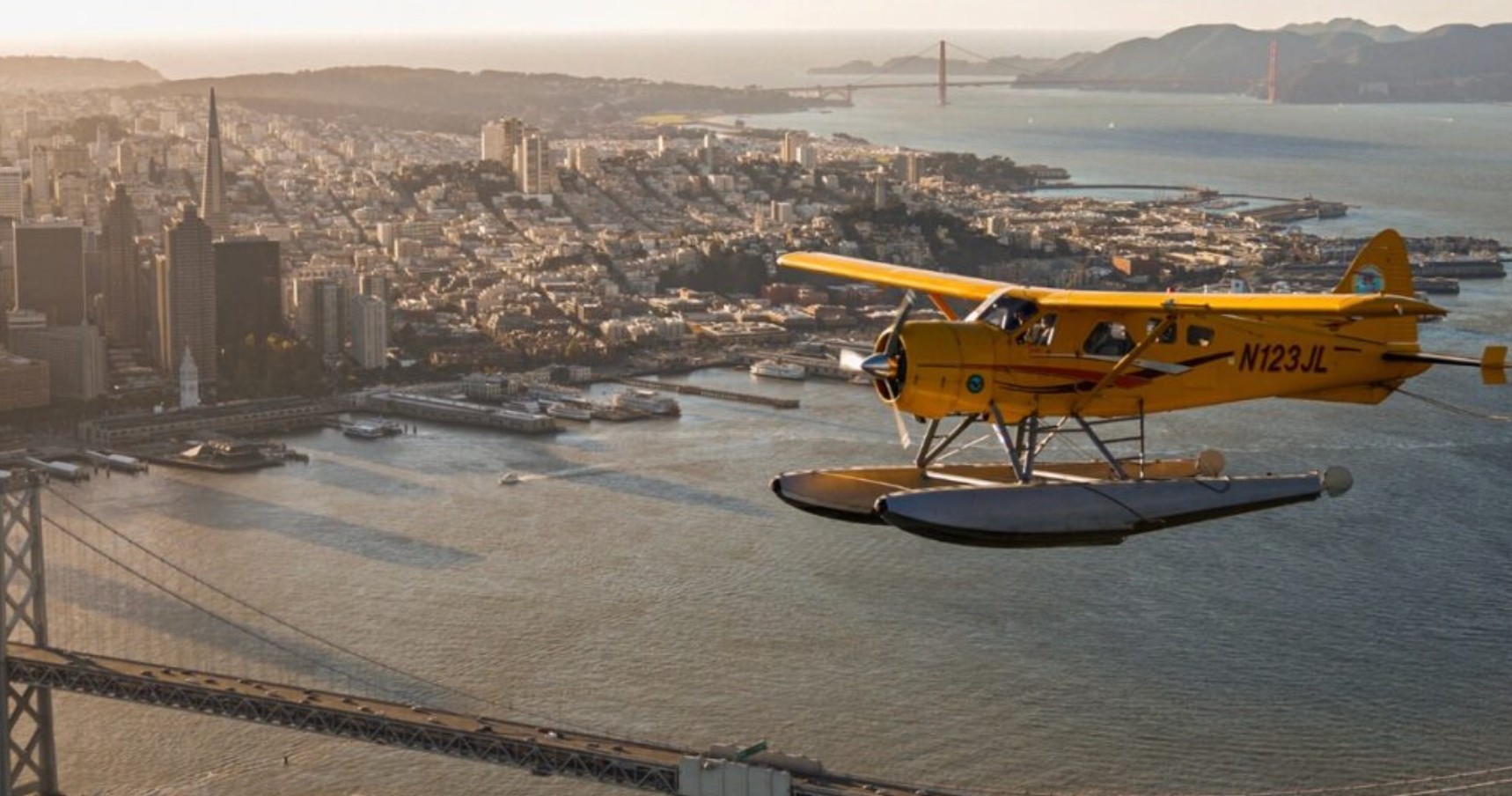
Menlo Park sits at the edge of a landscape that reads differently from the air. Streets become lacework, creeks and salt ponds solidify into color blocks, and the spine of the Santa Cruz Mountains creates an architectural silhouette you only fully appreciate from altitude. The town itself is quiet; the aviation life here is threaded through nearby fields and historic facilities—Moffett Field’s Hangar One, the low-slung ramps of Palo Alto and San Carlos airports, and the complex choreography of traffic over the San Francisco Bay. For travelers who think of flight as more than transport, Menlo Park is an elegant small-stage for a variety of airplane experiences: calm, scenic tours that convert familiar geography into a fresh visual language; discovery flights that hand the stick to curious first-timers under the watchful guidance of a certified instructor; and behind-the-scenes glimpses at hangars and aviation museums that reveal the machines and people who keep the local airspace alive.
The appeal here is intimacy. Unlike bigger city heliports or crowded tourist flight centers, airplane outings based out of Menlo Park and its neighboring airfields tend to be small-scale and personal. That translates to flexible itineraries and, often, direct conversations with pilots and mechanics. The legacy of Moffett Field, with its monumental hangar and history tied to naval airship operations and modern aerospace research, gives the local scene a richer texture: aviation isn’t an add-on attraction, it’s woven into the region’s technological and cultural story. Flights over the South Bay pass marshes threaded with migratory birds, wind-sculpted bayside salt ponds, and the patchwork of suburban canyons that feed into the larger Bay Area. At the right hour the light is cinematic—low sun along the ridgelines, layer upon layer of haze and water, the Golden Gate and city skyline folded into a single postcard.
Practical considerations shape the experience in an unusually visible way. Fog and marine layer govern morning schedules; wind and thermal activity can compress or expand the window for smooth sightseeing sorties. Pilots based here are accustomed to the local choreography—mixing recreational flights with business traffic and training patterns—so itineraries are realistic and conservative. For travelers, that means you’ll get honest advice about the best time of day to fly, photographic opportunities, and how to combine an hour in the sky with ground-based experiences like hangar tours, museum visits, or a picnic at a shoreline park. In the balance of sensory payoff and planning discipline, Menlo Park’s airplane adventures reward those who prepare: a short flight here can rearrange how you perceive the whole Bay Area.
The region’s aviation offerings range from introductory discovery flights—where a certified instructor explains controls and lets a newcomer feel the airplane’s response—to curated aerial photography sorties that focus on light and composition over specific landmarks.
Moffett Field’s historical infrastructure and nearby general aviation airports give travelers options for both public-facing tours and private charters. Complementary experiences often include museum visits, guided hangar tours, and pairing a flight with a coastal hike or waterfront picnic.
The harbor is the gateway, and the Pacific becomes the classroom.
Seasonality is subtle but real: summer mornings can be socked in with marine layer and low visibility, while late spring and early fall often provide the clearest flying windows with stable air and golden light.
Choose by purpose
Whale watching, snorkeling, sunset sailing, cultural canoeing, harbor sightseeing, or private chartering.
Start near the city
Waikiki and Honolulu Harbor are primary hubs, with some trips launching near Hanauma Bay.
Confirm the vessel
Gangways, shaded seating, and boarding requirements vary according to vessel size and operator.