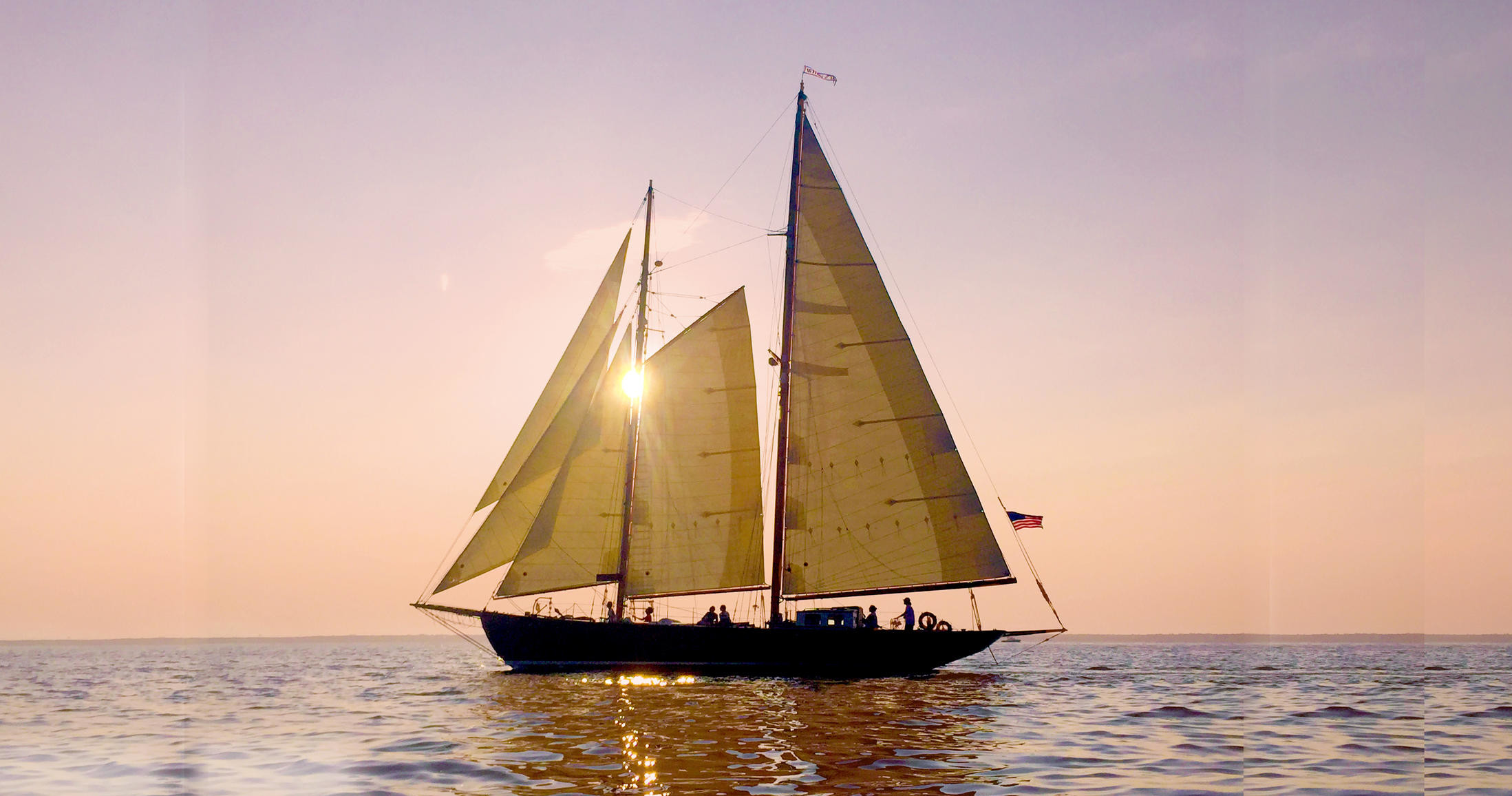
Why Merrimack Is a Standout Place to Sail
Merrimack's riverine setting puts sailors in a rare position: you can learn to read narrow-channel currents and practice close-quarters maneuvers in a landscape shaped by industry, then push downstream into tidal water and open coastal wind in the same day. The Merrimack River carries a living history — from early mills and bridges to quieter marshes where egrets quarter the shallows — and that history is visible from the water. Timbered banks give way to marsh grass and, eventually, to the broader estuary where the wind behaves differently and the horizon opens.
For small-boat sailors and keelboat skippers alike, Merrimack is training ground and staging area. River sections are forgiving for learning tacks, jibing, and dock work; tidal stretches require more attentiveness to current and timing. In warm months, sea breezes develop into reliable afternoon wind, turning tentative entries into lively reaches. Autumn brings cleaner, cooler air and crisper wind profiles that reward passage-making and coastal hops. For those who prize wildlife and quiet observation, morning light on the river attracts waterfowl, ospreys, and—nearer the mouth—occasionally seals hauled on sandbars.
Sailing out of Merrimack is also practical. The town sits within easy reach of launch points, community sailing programs, and small marinas that specialize in trailer-sailers, day-sailers, and club fleets. That infrastructure makes it simple to plan everything from an introductory lesson to a multi-stop coastal day trip. Complementary activities — paddleboarding in calmer backwaters, shoreline fishing, or cycling scenic river roads — slot naturally around a sail. Environmental considerations are front and center here: water quality varies along the river, and many local groups focus on restoration and stewardship, so sensible boat behavior (no wake in sensitive areas, packing out waste) is part of the local ethos. Whether you’re building basic boat-handling skills or plotting a tentative coastal passage, Merrimack offers a compact, varied sailplane where each outing teaches you more about wind, tide, and local character.
The river-to-estuary progression is useful for progressive skill-building: sheltered practice in upstream reaches, then tidal navigation and coastal seamanship downstream.
Because the area combines freshwater and tidal sailing, conditions change with both weather and lunar tides—planning and local knowledge make the difference between a comfortable outing and a challenging passage.
Choose by purpose
Whale watching, snorkeling, sunset sailing, cultural canoeing, harbor sightseeing, or private chartering.
Start near the city
Waikiki and Honolulu Harbor are primary hubs, with some trips launching near Hanauma Bay.
Confirm the vessel
Gangways, shaded seating, and boarding requirements vary according to vessel size and operator.