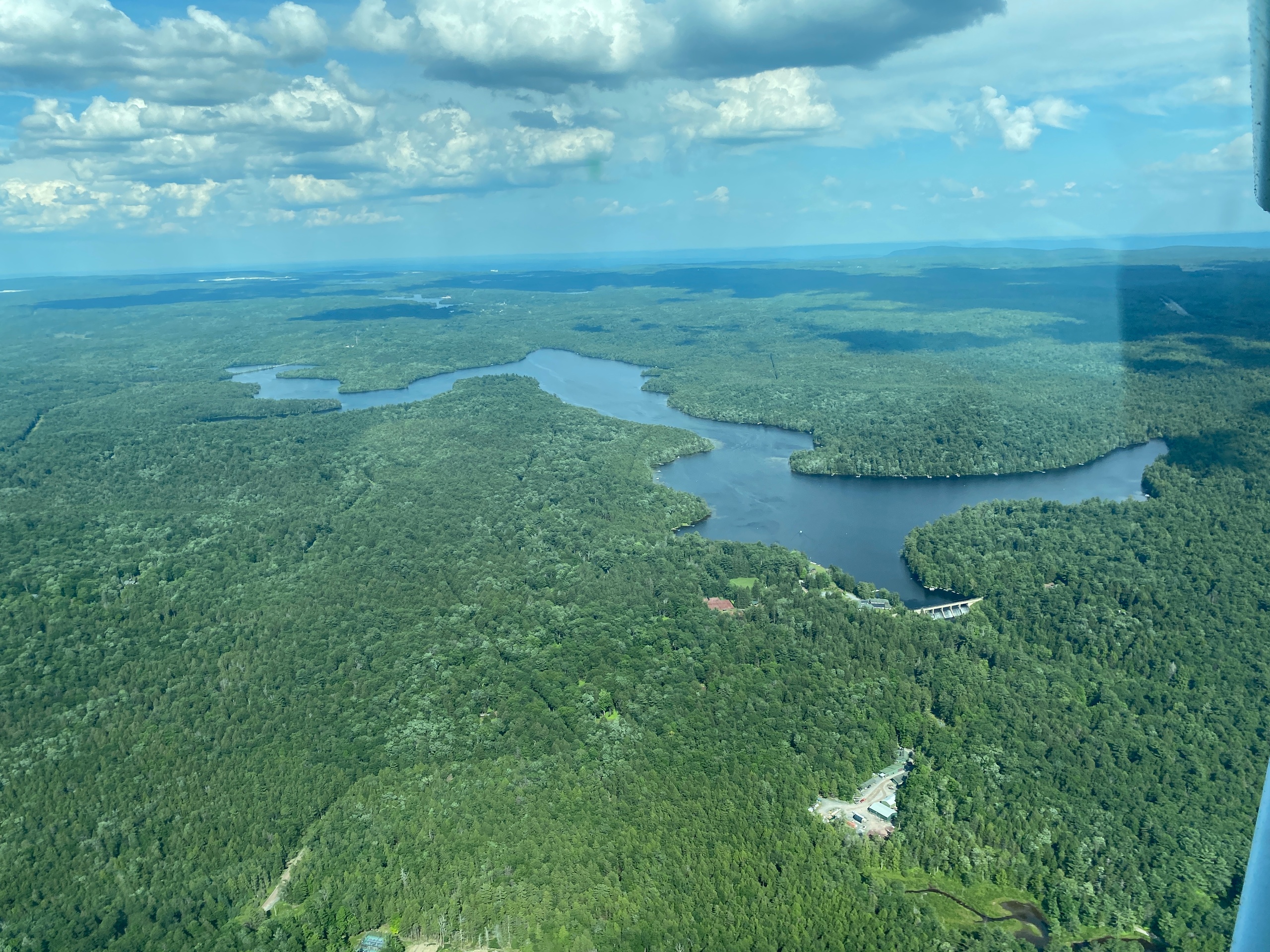
Milford’s appeal from the air is visceral and specific: a ribbon of river that carves through slate and forest, cliff-edged ridges that offer predictable lift lines, and a human scale that keeps sights recognizable even from altitude. For pilots and passengers alike, the Upper Delaware and the bordering Pocono foothills create a mosaic of farmland, forest, quarry faces, and small towns whose contrasts sharpen as the light changes. At sunrise the river acts like a mirror, a soft axis for balloon pilots hunting calm conditions; by late morning the sun wakes ridgeline thermals that paragliders and glider pilots read like a topographic script. The result is a seasonally choreographed set of possibilities: muffled dawn balloons, crisp mid-summer low-level flights, and fiery autumn tours when fall color pushes visibility and drama to their peak.
Beyond the aesthetics, Milford’s air activity scene is shaped by accessibility and scale. There are no oversized tourist airfields here—operators tend to be small, local, and familiar with FAA and state constraints for flying over rivers and populated places. That intimacy produces flights that feel personal rather than industrial: pilots will often point out hidden cascade runs, historic bridges, and the long, shallow cut of old quarries that only resolve into pattern from above. For photographers and slow travelers, the combination of short transfer times from town and long sightlines makes Milford efficient and satisfying. It’s also a region where neighboring outdoor pursuits—paddling the Delaware, ridge hiking on the Kittatinny, or exploring the town’s sandstone architecture—pair naturally with an air sortie. You can plan a morning balloon ride, then spend an afternoon canoeing, or use a fixed-wing tour as both orientation and inspiration for a walking route.
Environmental conditions are central to planning. Weather windows dominate: calm, clear mornings are the balloon pilot’s currency; steady crosswinds or low cloud ceilings will cancel scenic flights. Wildlife and protected river corridors impose quiet corridors and occasional temporary flight restrictions—respect for both keeps operators in business and habitats intact. In practice, that means flexibility: early starts, contingency days, and a readiness to accept cancellations as part of the outdoor plan. When the stars align, however, air activities around Milford feel less like tourist attractions and more like invitations to see a region whose character is written in its ridges and river bends.
Milford's combination of river corridors and ridge lines creates predictable morning and late-afternoon conditions ideal for ballooning and ridge-soaring activities.
Small operators and private pilots favor short, scenic routes that highlight geology, fall color, and accessible launch or landing sites near town.
The harbor is the gateway, and the Pacific becomes the classroom.
Air activities pair easily with river and ridge adventures—plan multi-modal days for the richest experience.
Choose by purpose
Whale watching, snorkeling, sunset sailing, cultural canoeing, harbor sightseeing, or private chartering.
Start near the city
Waikiki and Honolulu Harbor are primary hubs, with some trips launching near Hanauma Bay.
Confirm the vessel
Gangways, shaded seating, and boarding requirements vary according to vessel size and operator.