Air Tours in Milford, Pennsylvania
Milford Air Tour Guide

Air Tours in Milford, Pennsylvania

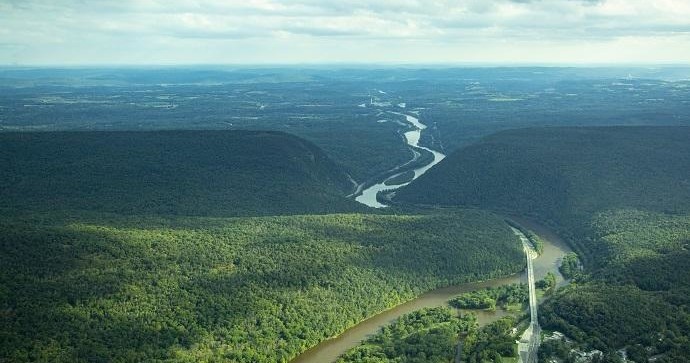
Float above bluffs carved by the Delaware River, trace the spine of the Pocono foothills, and watch mill towns shrink into patchwork farmland — Milford's air tours transform familiar landscapes into a choreography of light, river bend, and canyon. These short, carefully curated flights are about perspective: the scale of rock face, the geometry of old roads, and the seasonal theatrics of foliage and water. Whether you're seeking a tranquil scenic sortie, a photography-focused hop, or a discovery flight that includes local lore and natural history, Milford's aerial offerings make the region legible in minutes in ways a drive never can.

Delaware Water GapUpper Delaware Scenic RiverPocono MountainsMilford Historic District

Live destination inventory

Top Air Tour Trips in Milford

4 trips · Book with confidence · Instant confirmation

The prototype intentionally does not invent replacement trip cards or add images that are not already part of the live source page.

The city from the water

Why Milford Is a Standout Air Tour Destination

Milford sits at a confluence of geological drama and human history, and from the air those layers snap into sudden clarity. The Delaware River, which carved its way through shale and sandstone over millennia, becomes a living ribbon: oxbows, exposed bedrock shoals, and abrupt cliffs reveal past floods and glacial epochs. Flying above the river corridor gives you a reading of the landscape that walking or driving can’t match — you see the gradients of forest and pasture, the scale of protected riparian corridors, and the way human settlement hugs higher ground. Small aircraft and helicopters that frequent Milford specialize in short, interpretive circuits that highlight this interplay: the waterway’s tight meanders; the patchwork of second-growth forest and working farmland; the slate roofs and red-brick mill complexes of historic towns. Seasonality plays a starring role. In spring, the valley reads bright and variegated as riparian floodplains green earlier than upland hardwood forests. Summer brings deep greens that emphasize the river’s sinuous line; thermals grow stronger in late afternoon, adding a tactile edge to flights and sometimes accelerating returns to base. But it’s autumn when the air tour experience becomes almost cinematic — ridgelines erupt in color, and the contrast between golden valley floors and scarlet summits is best appreciated from altitude, where the eye can follow the transition uninterrupted for miles. Winter flights, when available, offer crystalline visibility: the geometry of the landscape is laid bare, and river ice and bare fields create a stark, minimalist map. Beyond seasonal spectacle, Milford’s air tours are compact and approachable. Operators in the region tend to run short, narrated outings from nearby airstrips — perfect for travelers who want a high-impact, low-time-commitment experience. For photographers and naturalists, the flexibility of private charters or small-group flights means you can request lower passes over specific geological or historic features, or synchronize a trip with sunrise or golden hour for richer color and longer shadows. Complementary activities — river trips on the Delaware, hiking in the nearby preserves, and village walking tours of Milford’s limestone architecture — expand an aerial orientation into a full-day itinerary: scout from above in the morning, explore the riverside in the afternoon, and wind down with a provenance-focused meal in town. Practically, air tours in this region are about trade-offs: shorter flights limit exposure to weather but compress the best views into focused corridors; private charters buy you time and custom routing but require a higher budget; group flights are more economical and sociable but less flexible on timing and photography positions. For travelers who value context as much as spectacle, a guided flight paired with a local naturalist or pilot-narrator is the ideal mix — you get the bird’s-eye thrill plus stories that link landforms to ecology and local history. Whether you’re chasing fall color, scouting river routes, or simply craving a perspective reset, Milford’s air tours offer a concise, narrated way to read a landscape that has always been best seen from above.

Small aircraft and helicopter operators often emphasize interpretive narration — pilots point out geological features, historic sites, and seasonal wildlife corridors as you pass over them.

The concentration of conserved river corridor and adjacent hardwood forest creates dramatic contrast zones that change quickly with weather and season — excellent for photographers and quick-study naturalists.

The harbor is the gateway, and the Pacific becomes the classroom.

Milford works well as a launch point for combination itineraries: pair a morning flight with a Delaware River paddle, a riverside hike, or a historic downtown walk to deepen the airborne impression.

Activity focus

Choose by purpose

Whale watching, snorkeling, sunset sailing, cultural canoeing, harbor sightseeing, or private chartering.

Departure hubs

Start near the city

Waikiki and Honolulu Harbor are primary hubs, with some trips launching near Hanauma Bay.

Accessibility

Confirm the vessel

Gangways, shaded seating, and boarding requirements vary according to vessel size and operator.
Seasonal planning

Best Time to Visit

Milford is warm year-round, but wind, swell, migration, visibility, and demand change the best match between traveler and trip.

Milford boat tour
Year-round destination

Seasonal highlights change the reason to go

Winter favors humpback encounters; warmer, calmer months favor snorkeling visibility and smoother water.

Humpback season

Autumn leaf-peeping (September–October) draws the most demand for scenic flights and charters.

Prime whale watching, winter holidays, higher demand, and earlier sell-outs.

Snorkeling window

May–June–September–October

Typically gentler seas and clearer water for snorkeling trips.

Weather notes

Trade winds year-round

Spring and fall maximize visibility and comfortable temperatures; summer brings longer daylight but more atmospheric haze and afternoon thunderstorms. Winter can deliver exceptional clarity but reduces available flight windows due to shorter days and variable conditions.

Quieter opportunities

Late spring & summer weekdays

Late winter and early spring may offer lower rates and quieter schedules; expect fewer flights and stricter weather cancellations, but crisp air can yield excellent visibility when flights run.

Match the trip to your comfort

Choose Your Experience Level

Low effort

Beginner

Ideal for first-time flyers and casual sightseers seeking a low-commitment aerial perspective; no technical skills required.

  • Short narrated scenic flight over the Delaware River
  • Introductory discovery flight with shore and town views
Active day trip

Intermediate

For travelers who want more targeted photography or a deeper interpretive focus; may include requests for lower passes or specific landmarks.

  • Photography-oriented sortie during golden hour
  • Longer circuit that includes multiple river bends and ridge runs
Longer or technical

Advanced

Best for enthusiasts arranging private charters or combining aerial reconnaissance with fieldwork or specialized photography; requires coordination with operators and may be weather-dependent.

  • Custom charter for geological surveying or landscape photography
  • Multi-stop aerial routing paired with ground-based exploration

Prepare for sun, spray, and swell

What to Bring

Essential

Core kit

  • Government-issued photo ID (required for most charter and tour operators)
  • Camera or smartphone with spare battery and ample storage
  • Layered clothing — temperatures can be cooler at altitude
  • Sunglasses and a hat to cut glare
  • A light windbreaker for pre- and post-flight comfort
Recommended

Useful extras

  • A small binoculars for wildlife and landscape spotting
  • Ear protection if you’re sensitive to engine noise (operators often supply headsets)
  • A compact dry bag for camera gear on open-cockpit or heli ops
  • Motion-sickness remedies if you’re prone — brief turns and thermals can be unsettling
Optional

Trip-specific

  • Polarizing filter for landscape photography
  • Notebook or voice recorder for notes from pilot narration
  • A lightweight daypack to keep essentials during a paired ground activity
Coordinate closely with your operator and allow flexibility in timing: weather-driven changes are common and often unavoidable.

Insider Tips & Local Knowledge

Reserve whale-watching and popular sunset cruises well ahead during December–April.
Choose morning snorkeling departures for calmer seas and better underwater visibility.
For motion sensitivity, choose a larger vessel, sit mid-ship, and take preventative medication before boarding.
Do not touch coral or wildlife, avoid standing on reefs, and use reef-safe sunscreen.
Community-based operators may add context about traditional navigation and stewardship.
Arrive early for parking and check-in because Waikiki departure areas can be busy.

Planning questions

Frequently Asked Questions

No special permits are required for passengers on commercial scenic flights; the operator handles aviation regulations and airspace approvals. Check with your chosen operator for any location-specific restrictions.
Air Tours in Milford, Pennsylvania
Ready for your air tour adventure?

Browse 4 verified trips in Milford.

Compare current availability and book with instant confirmation.

Explore Milford air tour