Dolphin Encounters in Mokuleia, Hawaii
Mokuleia Dolphin Guide

Dolphin Encounters in Mokuleia, Hawaii

Mokuleia—the quiet shoulder of Oahu’s northwest shore—delivers some of the most intimate dolphin experiences on the island. From small guided skiffs that approach travelling pods to shallow-bay snorkel and kayak trips, encounters here center on the marine rhythms of spinner and bottlenose dolphins. This guide focuses on how to witness dolphins responsibly, when to go, and what to pack so you can convert an imagined close encounter into an informed, respectful outing.

Waianae CoastMokuleia BayKaʻena Point

Live destination inventory

Top Dolphin Trips in Mokuleia

70 trips · Book with confidence · Instant confirmation

The prototype intentionally does not invent replacement trip cards or add images that are not already part of the live source page.

The city from the water

Why Mokuleia Is a Standout Dolphin Destination

You can arrive at Mokuleia before the sun cleaves the horizon and feel the coast breathe differently. The Waianae coastline here is low and open—no dramatic cliffs, just a long coastal shelf that feeds into offshore reefs and pockets of calm water. That gentle topography is part of why dolphins frequent these waters. Spinner dolphins, in particular, hunt at night on the offshore slope and come into protected bays by day to rest, socialize, and care for calves. Bottlenose dolphins also patrol the shallower reefs, more curious and often visible closer to shore. What makes Mokuleia special isn’t just the species list but the quality of the encounters. Unlike tour-heavy harbors, Mokuleia still offers low-density access. Early morning launches find sea conditions glassy and pods more likely to be traveling than in high-energy surface play—perfect for photographers and wildlife-watchers who want to observe natural behavior. The nearby Kaʻena Point Natural Area Reserve, a short drive or hike away, is another reason to build a full day around marine life: it’s a protected headland and a haul-out site for Hawaiian monk seals and nesting seabirds, and its offshore waters are part of the same ecological neighborhood the dolphins use. Cultural context matters here too. For Native Hawaiian communities, the ocean is an extension of kin and place. Modern encounters in Mokuleia therefore sit at an intersection of tourism, science, and stewardship: many local guides and operators partner with researchers to report sightings, participate in citizen science projects, and teach respectful viewing standards aligned with NOAA and state regulations. That means your best experiences will be with operators who prioritize distance, minimize noise and wake, and emphasize observation over interaction. Practically speaking, Mokuleia is not a crowded commercial harbor. Launches often happen from small boat ramps or private skiffs. That low infrastructure translates to a more intimate, sometimes rustic field experience—expect shorter briefings, small-group vessels, and strong emphasis on weather and swell checks. Seasonally, trade-wind patterns shape the best windows: spring through early fall generally presents calmer seas and higher sighting consistency; winter brings larger surf and the potential for more pelagic species offshore but also more cancelled trips. Whether your aim is a slow-boat photographic outing, a kayak-and-snorkel paddle around shallow reefs, or a research-focused sighting cruise, Mokuleia’s combination of calm nearshore reefs, nearby offshore slope, and relatively low visitation makes it an outstanding place to see dolphins while contributing to their long-term welfare.

Dolphin behavior here is driven by a daily pattern: nocturnal feeding offshore and daytime resting in sheltered nearshore areas—plan morning or late-afternoon visits for best observation.

Responsible operators follow NOAA approach-distance guidelines and prioritize non-invasive observation; ask before you book and look for permits and local partnerships.

The harbor is the gateway, and the Pacific becomes the classroom.

Combine dolphin outings with a morning hike to Kaʻena Point or an afternoon of reef snorkeling to maximize your time on the Waianae coast.

Activity focus

Choose by purpose

Whale watching, snorkeling, sunset sailing, cultural canoeing, harbor sightseeing, or private chartering.

Departure hubs

Start near the city

Waikiki and Honolulu Harbor are primary hubs, with some trips launching near Hanauma Bay.

Accessibility

Confirm the vessel

Gangways, shaded seating, and boarding requirements vary according to vessel size and operator.
Seasonal planning

Best Time to Visit

Mokuleia is warm year-round, but wind, swell, migration, visibility, and demand change the best match between traveler and trip.

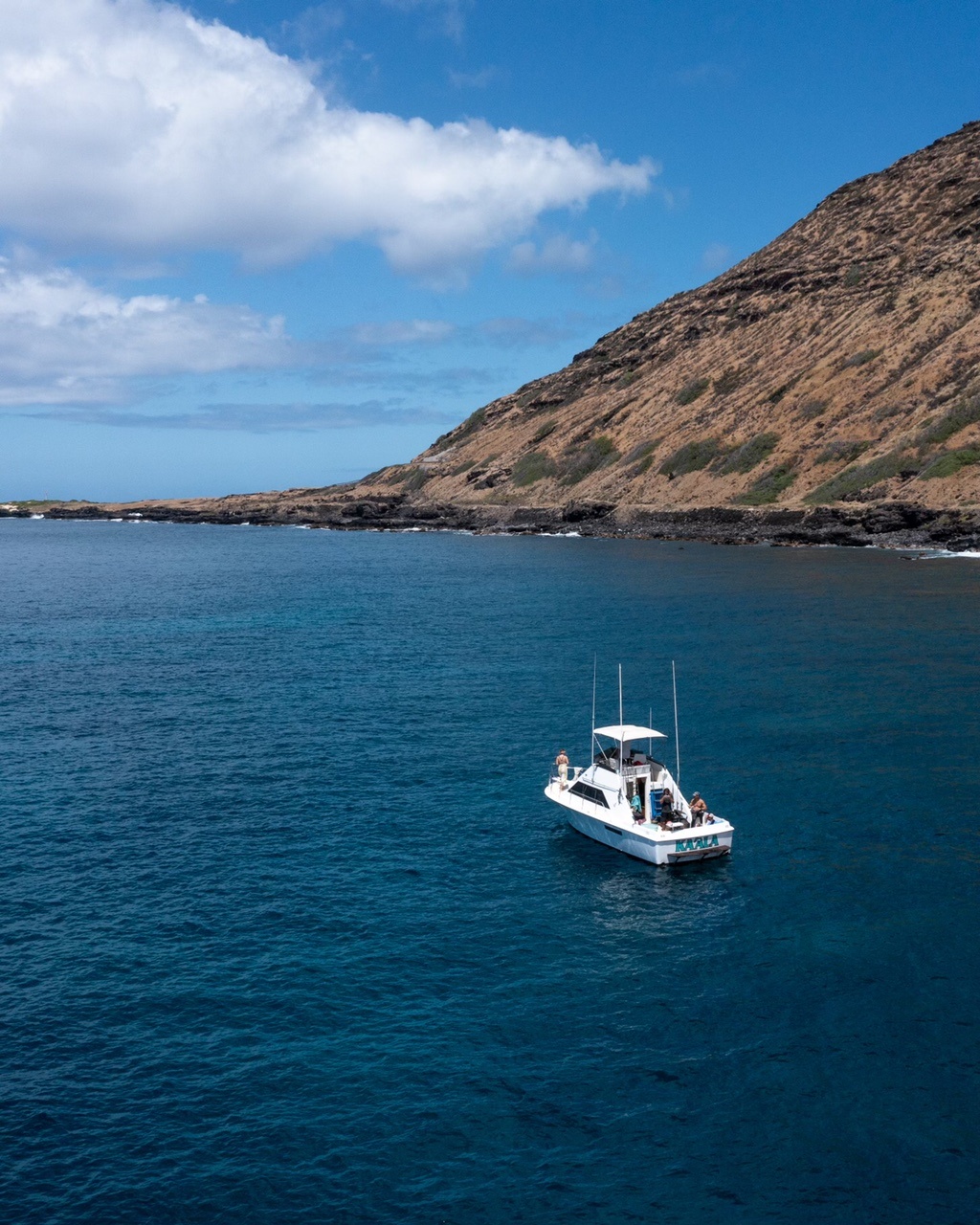
Mokuleia boat tour
Year-round destination

Seasonal highlights change the reason to go

Winter favors humpback encounters; warmer, calmer months favor snorkeling visibility and smoother water.

Humpback season

Summer and early fall for calm seas and the most consistent sightings.

Prime whale watching, winter holidays, higher demand, and earlier sell-outs.

Snorkeling window

April–May–June–July–August–September–October

Typically gentler seas and clearer water for snorkeling trips.

Weather notes

Trade winds year-round

Spring through early fall typically brings lighter trade winds and calmer seas—conditions that favor small-boat launches and clear snorkel visibility. Winter months have larger swell and stronger northerly winds; trips still run but are more frequently modified or canceled.

Quieter opportunities

Late spring & summer weekdays

Winter offers bigger ocean dynamics and potential for pelagic species; consider experienced captains and expect fewer kayak options.

Match the trip to your comfort

Choose Your Experience Level

Low effort

Beginner

Observation-focused boat or shoreline spotting and guided, sheltered-bay snorkels. Low physical demand and ideal for families and casual travelers.

  • Small-group morning dolphin-watching cruise
  • Guided snorkel in Mokuleia Bay with marine life interpretation
  • Shore-based spotting and beachside interpretive walks
Active day trip

Intermediate

Active participation in kayak-and-snorkel combos, photography-focused boat trips, and half-day excursions that require basic paddling or snorkeling skill.

  • Guided sea-kayak trip along the Waianae coast with dolphin spotting
  • Half-day boat trip combining coastal reef snorkeling and offshore search
  • Photography-centered wildlife cruise with naturalist guide
Longer or technical

Advanced

Offshore pelagic trips and research-oriented excursions or self-supported expeditions requiring ocean navigation skills, tolerance for bigger swells, and higher fitness.

  • Offshore research or pelagic surveys (with experienced operators)
  • Long-distance sea-kayak crossing or multi-day coastal expedition
  • Dolphin behavior research support trips

Prepare for sun, spray, and swell

What to Bring

Essential

Core kit

  • Reef-safe sunscreen (certified free of oxybenzone/octinoxate)
  • Light wetsuit or rashguard (water temps vary 75–80°F / 24–27°C)
  • Snorkel kit if you prefer your own mask (well-fitted and defogged)
  • Waterproof dry bag for essentials and phone
  • Polarized sunglasses and wide-brim hat for glare protection
Recommended

Useful extras

  • Small binoculars for distant pod identification
  • Motion-sickness medication if you’re prone to seasickness
  • Quick-dry towel and spare layers for wind and spray
  • Water bottle and small snacks—boat trips may not include refreshments
Optional

Trip-specific

  • Underwater camera or action camera with float tether
  • Wetsuit booties if launching from rocky shore
  • Logbook or app for reporting sightings to citizen-science projects
Prioritize operators with clear conservation policies, check the morning wind window, and be prepared for rustic launch conditions.

Insider Tips & Local Knowledge

Reserve whale-watching and popular sunset cruises well ahead during December–April.
Choose morning snorkeling departures for calmer seas and better underwater visibility.
For motion sensitivity, choose a larger vessel, sit mid-ship, and take preventative medication before boarding.
Do not touch coral or wildlife, avoid standing on reefs, and use reef-safe sunscreen.
Community-based operators may add context about traditional navigation and stewardship.
Arrive early for parking and check-in because Waikiki departure areas can be busy.

Planning questions

Frequently Asked Questions

You do not need a personal permit to view dolphins, but operators must follow federal guidelines under the Marine Mammal Protection Act. NOAA recommends maintaining distance and not initiating interaction; in many cases operators will not allow guests to swim directly with resting pods.
Dolphin Encounters in Mokuleia, Hawaii
Ready for your dolphin adventure?

Browse 70 verified trips in Mokuleia.

Compare current availability and book with instant confirmation.

Explore Mokuleia dolphin