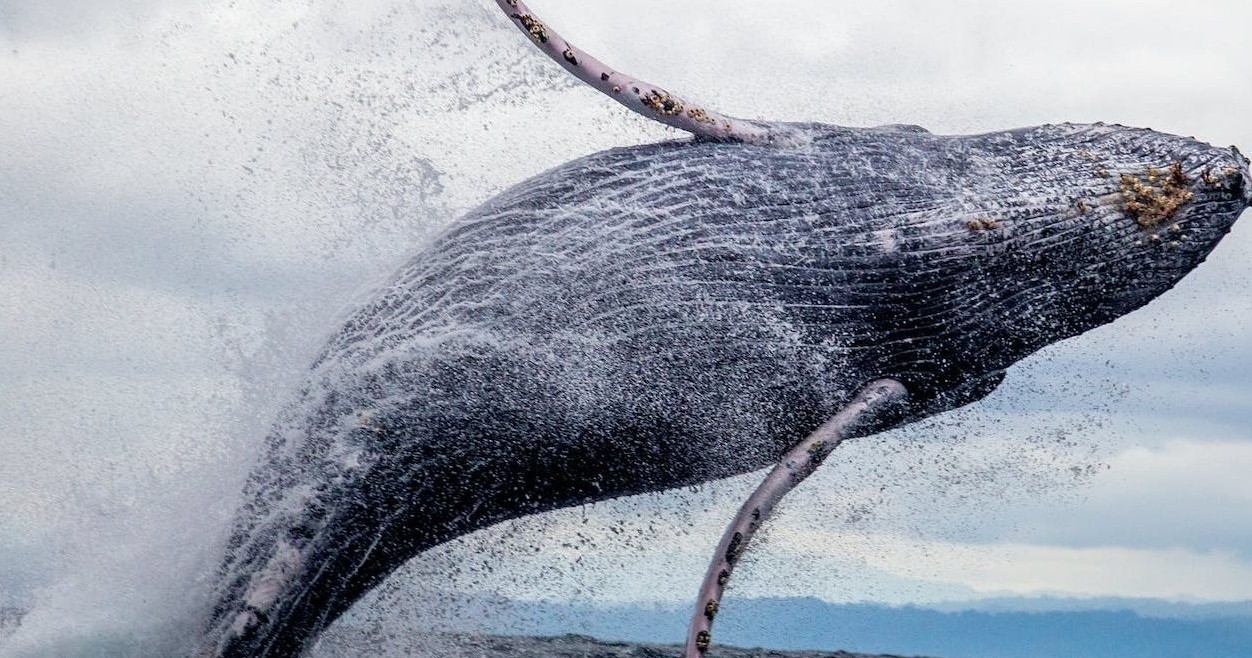
Why Mokuleia Is a Standout Whale Watch Destination
There is a particular hush that falls over Mokuleia in winter—an easy, salt-tinged stillness broken by the distant, liquid exhalation of a humpback. The leeward coast of Oʻahu, where Mokuleia sits like a mitten cupping the sea, offers a rare combination: close access to open-ocean whale routes and shallow, calm bays that are ideal for boat-based viewing. From December through April, the North Pacific funnels migrating humpbacks into Hawaiian waters for breeding, calving, and resting. Mokuleia’s coastline, less crowded than neighboring North Shore hotspots, gives visitors a quieter, more contemplative vantage point. Boats leave from small harbors and sandy points; within an hour many tours reach deep-blue corridors where whales surface and socialize.
Beyond scenery, Mokuleia is physically and culturally shaped by the ocean. Local knowledge—stories of kohola (humpbacks) passed through families and modern conservation measures—infuses the whale-watching experience with meaning. Captains and naturalists working these tours often blend scientific detail with cultural context: explaining whale song, migratory drivers, and the Hawaiian protocols of respect. That perspective turns a sighting into a moment that links you to an island history of canoe travel, ocean stewardship, and seasonal attentiveness.
The terrain and ocean conditions here are part of the appeal. Mokuleia’s shoreline is flatter and wind-sheltered compared with the exposed surf of the neighboring North Shore, which often brings calmer mornings and predictable sea-states—advantages for photographers, families, and first-time boaters. At the same time, nearby offshore shoals and deeper channels create a dynamic marine environment: whales use these transitions between shallow and deep water for social displays, nursing, and active surface behavior. For travelers, that means better odds of seeing a range of behaviors—spy-hopping, breaching, and intricate tail slaps—within a single excursion. Complementary activities line up naturally: early-morning whale cruises pair well with afternoon coastal hikes, beachcombing at quiet coves, or an evening at a local food stand serving fresh catch.
Finally, Mokuleia’s whale watching feels like an invitation to responsible tourism. Regulations that protect humpbacks, combined with enthusiastic local stewardship, make most operators emphasize viewing distance, non-invasive photography, and information-driven encounters. The result is an experience that balances the raw thrill of marine giants with practical safeguards that keep whales and people safe. Whether you’re a photographer chasing a perfect breach or a traveler seeking a quietly epic introduction to whale behavior, Mokuleia frames the spectacle in a way that’s intimate, educational, and distinctly Hawaiian.
Seasonality is decisive: winter months bring reliably high encounter rates, while summer can still offer sightings of other marine life such as spinner dolphins and reef sharks. Plan around the peak migration window for the best odds of multiple close encounters.
Operators range from large comfortable catamarans to small eco-conscious inflatables; choose based on comfort, desired viewing distance, and interpretive value. Small boats are nimble for intimate viewing; larger vessels offer amenities and steadier platforms for families.
The harbor is the gateway, and the Pacific becomes the classroom.
Combine a whale watch with complementary experiences: shore-based observation at dawn, coastal hikes that follow sea cliffs for panoramic viewing, or local cultural tours that explain the Hawaiian connection to marine life and traditional navigation.
Choose by purpose
Whale watching, snorkeling, sunset sailing, cultural canoeing, harbor sightseeing, or private chartering.
Start near the city
Waikiki and Honolulu Harbor are primary hubs, with some trips launching near Hanauma Bay.
Confirm the vessel
Gangways, shaded seating, and boarding requirements vary according to vessel size and operator.