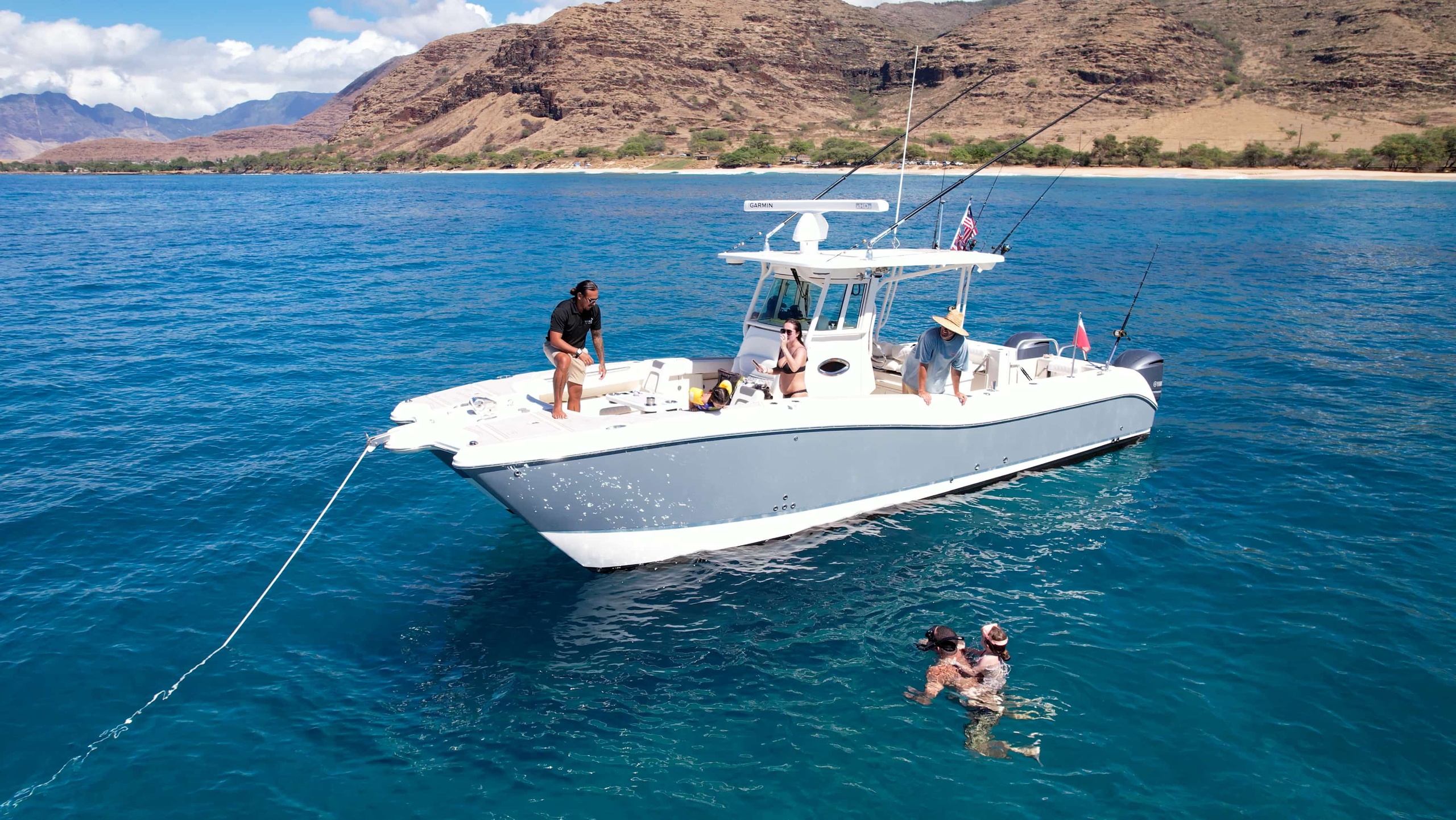
Nanakuli sits on Oʻahu’s leeward flank—geographically modest yet magnetically rich for small-boat exploration. From the moment you glide off the sand, the coast reads like a series of chapters: wide reef flats that cradle calm swimming lagoons in summer, occasional rocky points that funnel currents and draw fish, and offshore contours where the deep ocean meets the shore. Boat rentals here are a doorway to a nuanced marine landscape. You can thread a shallow channel to a coral garden and tie off to snorkel with surgeonfish and green sea turtles. In winter, when the northwest swell rakes the outer reef, the same waterfront turns theatrical—surfers and bodyboarders gather on the breaks at Mākaha while whale spouts and tails loom further offshore for those who’ve timed a winter charter.
What makes Nanakuli especially appealing for renters is the balance between solitude and proximity. Unlike busy harbors on Oʻahu’s south shore, launching from Nanakuli Beach Park or nearby ramps often means shorter waits, easier access to low-key anchorages, and direct lines to coastal features that would take much longer to reach from Honolulu. Cultural context threads beneath every outing: these waters are part of a living seascape for Native Hawaiian communities—fishing areas, canoe routes, and reef systems that carry generational knowledge. Respecting seasonal closures, reef protections, and shore access etiquette matters here not only for conservation but for preserving the social license that keeps small-boat access viable.
The variety of rentals mirrors the coast’s diversity. Smaller center consoles and bay boats are ideal for quick runs to snorkel spots and fishing around reef edges; pontoons and deck boats lend themselves to family days anchored in a protected cove; inflatable tenders and kayaks extend shore-based exploration into tidepools and lava-formed inlets. For more traditional experiences, local outrigger canoe clubs and guided charters offer cultural framing—paddling with a kiai (skilled steersperson) or joining a narrated whale-watch provides context and safety if you’re less familiar with Hawaiian waters.
Practical considerations shape the best outings: tide, swell direction, and wind dictate which launch points and anchorages are comfortable on any given day. The leeward coast benefits from tradewind shelter in summer, producing glassy channels and calm snorkeling conditions; winter introduces northwest swell and strong currents, favoring experienced operators and larger craft. Fuel planning, reef-safe sunscreen, and an awareness of marine life—turtles, schooling fish, and occasional monk seals—are routine parts of any rental briefing. When done with care, a boat rental from Nanakuli is not just transportation to a place; it is the preferred way to read the coast, to stitch together snorkel gardens, surf windows, and whale sightings into a single, highly personal day at sea.
A rental boat gives you flexible access to nearby snorkel reefs, little-used beaches, and offshore wildlife sightings—things that are difficult to reach on foot or by car.
Seasonal conditions shift the character of outings: summer tradewinds and small surf create calm snorkeling; winter swells bring big surf at exposed breaks and the opportunity for offshore whale watching.
The harbor is the gateway, and the Pacific becomes the classroom.
Local culture and stewardship are central. Many favorite anchorages sit near wahi pana (storied places), and respectful behavior—no anchoring on live coral, carrying out trash, and observing posted closures—keeps these areas open.
Boat types vary by use: small center consoles are nimble for reef runs and light fishing; pontoons are comfortable for families and groups who want a floating base; kayaks and SUPs are useful add-ons for exploring shallow reef edges.
Choose by purpose
Whale watching, snorkeling, sunset sailing, cultural canoeing, harbor sightseeing, or private chartering.
Start near the city
Waikiki and Honolulu Harbor are primary hubs, with some trips launching near Hanauma Bay.
Confirm the vessel
Gangways, shaded seating, and boarding requirements vary according to vessel size and operator.