Dolphin Experiences in Nanakuli, Hawaii
Nanakuli Dolphin Guide

Dolphin Experiences in Nanakuli, Hawaii

Off the sunbaked shoreline of Nanakuli, where rugged pali give way to wide ocean horizons, dolphin encounters turn routine afternoons into small ceremonial moments. Spinner and spotted dolphins weave through the reef-edge swells here, offering encounters that can be intimate, fleeting, and unforgettable. This guide focuses on dolphin-centered activity—watching, photographing, snorkeling near pods, and the small-boat culture that makes the leeward coast an accessible marine-adventure corridor.

Leeward CoastFringing ReefBoat & Snorkel Tours

Live destination inventory

Top Dolphin Trips in Nanakuli

69 trips · Book with confidence · Instant confirmation

The prototype intentionally does not invent replacement trip cards or add images that are not already part of the live source page.

The city from the water

Why Nanakuli Is a Standout Place for Dolphin Encounters

Nanakuli sits along Oahu's leeward flank, a stretch where shallow reefs, sheltered bays, and sudden drop-offs create rich pockets of life just off the surf line. For visitors chasing the particular thrill of a dolphin sighting, that underwater geography matters: fish move through channels and along reef edges, and where prey concentrates, so do the dolphins that follow it. Early mornings here can feel like a low-traffic theater—small commercial skiffs and private anglers heading west, local surfers scanning the horizon—and if conditions are calm the rewards are often close to shore. But the experience isn't just biological; it's cultural. Hawaiian relationships to marine life are threaded through oral histories and place names, and local stewards emphasize respect and distance. Dolphins appear in stories as akua (spiritual presences) and as kin, which informs how many operators and paddlers approach encounters today: quiet, unhurried, and observant. That balance—an eager curiosity paired with restraint—keeps visits meaningful and sustainable. Practically, Nanakuli's advantage is accessibility. Unlike deeper-water charter ports, many dolphin tours launch from small boat ramps and beach operators, so mornings can be nimble and private groups are common. The same leeward swells that protect the shore in summer months also create the smooth conditions favored by dolphin-watching. Complementary activities—snorkeling over reef flats, stand-up paddleboarding along calmer stretches, or combining a photography-focused charter—make Nanakuli useful as a base for multi-hour marine itineraries. Environmental context shapes planning: dolphins in Hawaiian waters are protected under federal and state rules, and responsible operators follow NOAA guidelines that emphasize space and non-interference. That means the best encounters happen when the animal leads the interaction, not the other way around. For planners, this guide aims to translate the wildness of a dolphin sighting into practical trip decisions: when to go, how to pack, how to choose a local operator, and how to leave the ocean as you found it.

Dolphins in leeward Oahu are most often seen close to reef breaks and along drop-offs where schooling fish collect—early morning is reliably the quietest window.

Local operators tend to favor small-group launches and naturalist-led outings; these trips emphasize observation and often combine snorkeling or reef education.

The harbor is the gateway, and the Pacific becomes the classroom.

Respectful viewing benefits both travelers and animals: maintaining distance, minimizing engine noise, and avoiding feeding are common best practices.

Activity focus

Choose by purpose

Whale watching, snorkeling, sunset sailing, cultural canoeing, harbor sightseeing, or private chartering.

Departure hubs

Start near the city

Waikiki and Honolulu Harbor are primary hubs, with some trips launching near Hanauma Bay.

Accessibility

Confirm the vessel

Gangways, shaded seating, and boarding requirements vary according to vessel size and operator.
Seasonal planning

Best Time to Visit

Nanakuli is warm year-round, but wind, swell, migration, visibility, and demand change the best match between traveler and trip.

Nanakuli boat tour
Year-round destination

Seasonal highlights change the reason to go

Winter favors humpback encounters; warmer, calmer months favor snorkeling visibility and smoother water.

Humpback season

Summer months and holiday periods see increased tour bookings and local activity; book morning tours in advance.

Prime whale watching, winter holidays, higher demand, and earlier sell-outs.

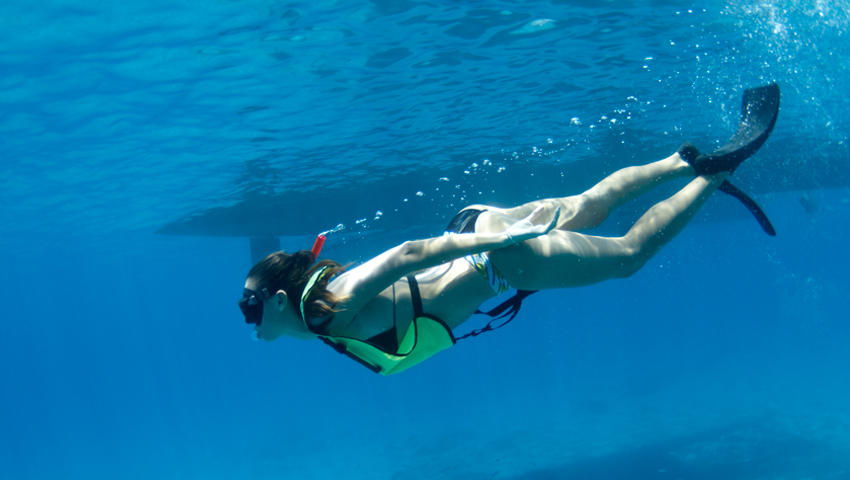
Snorkeling window

May–June–July–August–September–October

Typically gentler seas and clearer water for snorkeling trips.

Weather notes

Trade winds year-round

Calmer seas from late spring through early fall increase the likelihood of close shore sightings and comfortable small-boat rides. Trade winds typically pick up in the afternoons, making morning departures preferable.

Quieter opportunities

Late spring & summer weekdays

Winter can bring bigger swells and fewer small-boat launches, but it also disperses crowds—weekday mornings may offer solitude and equally rewarding sightings if weather permits.

Match the trip to your comfort

Choose Your Experience Level

Low effort

Beginner

Shore-based and short boat-viewing experiences suitable for families and first-time wildlife watchers.

  • Half-day dolphin-watching boat tour
  • Beachfront binocular spotting and interpretive walk
  • Short snorkeling outings in protected reef flats
Active day trip

Intermediate

Longer boat trips that may include snorkeling with a chance to observe dolphins at a respectful distance, and guided paddle sessions.

  • Small-group snorkel + dolphin watch combo
  • Stand-up paddleboard tours along calmer leeward stretches
  • Photography-focused morning charters
Longer or technical

Advanced

Expedition-style outings for experienced snorkelers, freedivers, or photographers seeking extended time on the water and deeper-water sightings.

  • Multi-hour charter with focused marine-life survey
  • Freediving and underwater photography trips
  • Custom research or conservation volunteer excursions

Prepare for sun, spray, and swell

What to Bring

Essential

Core kit

  • Light, waterproof daypack or dry bag
  • Reusable water bottle and reef-safe sunscreen
  • Wide-brim hat and polarized sunglasses
  • Seasickness medication if you're prone to motion sickness
  • Waterproof camera or phone with a floating strap
Recommended

Useful extras

  • Light rashguard or thin wind layer for early-morning chill
  • Compact binoculars for identifying distant pods
  • Snorkel set if you prefer your own gear (mask, snorkel, fins)
  • Water shoes for rocky launches and landings
Optional

Trip-specific

  • Underwater camera or action cam in a housing
  • Dry change of clothes and towel
  • Small first-aid kit and blister supplies
  • Portable phone charger
Respectful viewing and choosing thoughtful operators improves the odds of a meaningful encounter while protecting the animals.

Insider Tips & Local Knowledge

Reserve whale-watching and popular sunset cruises well ahead during December–April.
Choose morning snorkeling departures for calmer seas and better underwater visibility.
For motion sensitivity, choose a larger vessel, sit mid-ship, and take preventative medication before boarding.
Do not touch coral or wildlife, avoid standing on reefs, and use reef-safe sunscreen.
Community-based operators may add context about traditional navigation and stewardship.
Arrive early for parking and check-in because Waikiki departure areas can be busy.

Planning questions

Frequently Asked Questions

Most recreational viewing doesn't require a permit, but federal and state protections regulate the distance and manner in which you can approach marine mammals. Licensed tour operators will be familiar with local rules and NOAA guidelines.
Dolphin Experiences in Nanakuli, Hawaii
Ready for your dolphin adventure?

Browse 69 verified trips in Nanakuli.

Compare current availability and book with instant confirmation.

Explore Nanakuli dolphin