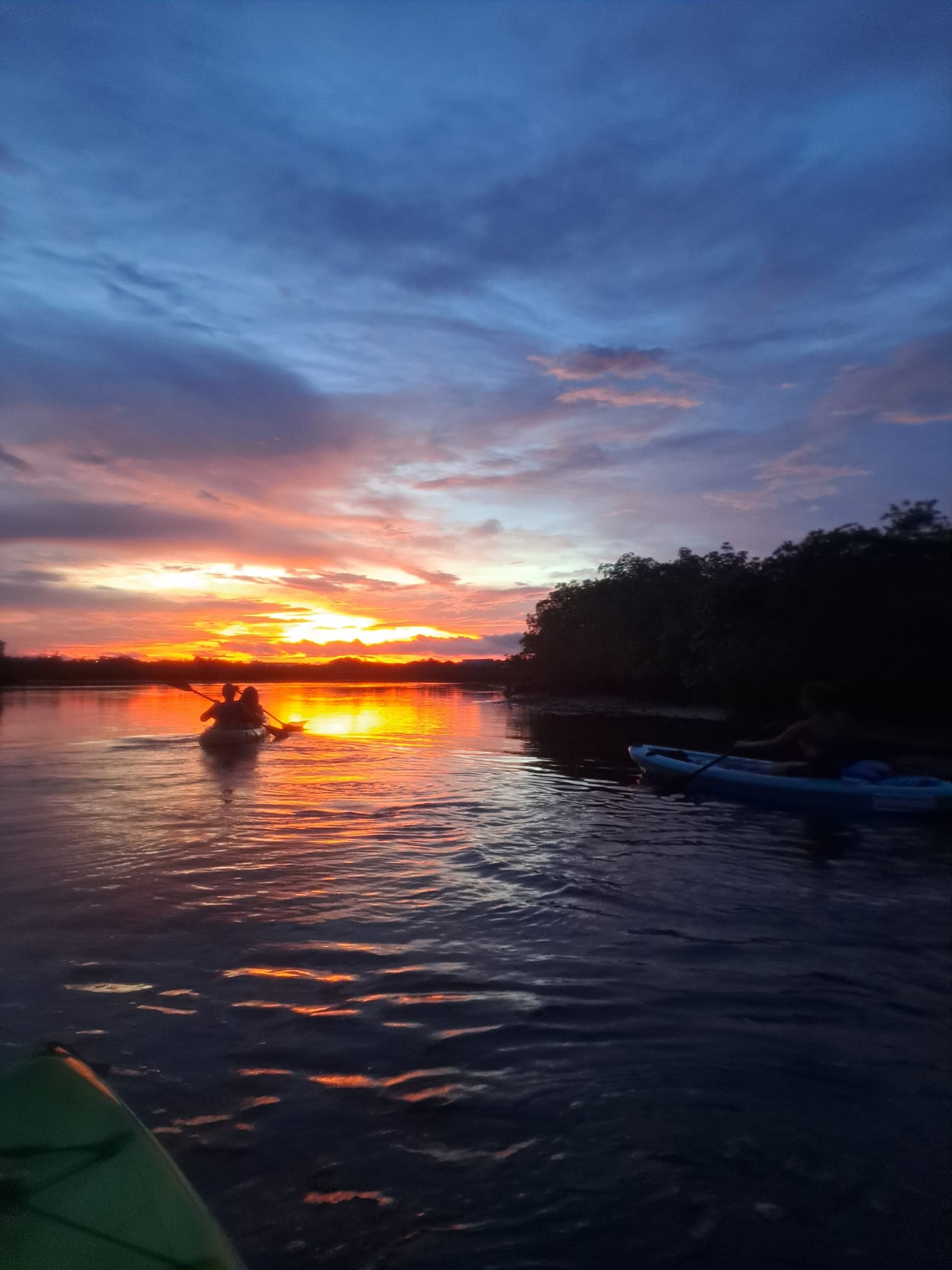
The paddler’s atlas of New Port Richey reads like a study in contrasts: narrow mangrove tunnels that demand attentiveness and stealth; broad, open estuaries that expose you to wind and current; and barrier islands out at the edge of the Gulf that feel a world away from the suburban streets behind you. Kayaking here is less about conquering terrain and more about inhabiting a shifting, saline landscape. At first glance it’s a low-slung coast—no mountains, no dramatic drops—but the geography rewards a different skill set. Tides sculpt the experience. A half-mile channel becomes a placid creek at low tide and a swift river at high. Time your launches and you’ll glide with the tide, encountering schools of young snook in the shallows and manatees pausing beneath the shallows to feed on seagrass. Misjudge the tide and you’ll be pushing through mucky flats or facing a stiff current on a bay crossing. That interplay—between patience, local knowledge, and the small craft’s intimacy with water—is what makes New Port Richey special.
Paddling here is also profoundly social. Family-friendly river loops near public parks make it easy to introduce kids and first-timers to single-day paddles while nearby outfitters offer rentals and guided eco-tours. When you want solitude, take a morning run down a tributary before boat traffic wakes up; for wildlife and birding, time the cooler months and migratory windows. Cultural layers enrich the trip: the town’s waterfront parks and seafood shacks anchor the landward side of any day on the water, and a stop at a local launch often turns into an exchange of weather reports, tide tips, and the best shelling spots. Environmental awareness threads through every trip—seagrass beds, bird nesting areas, and delicate mangrove roots deserve respect. That means paddling with intention: keeping distance from wildlife, sticking to marked channels where possible, and packing out what you bring in.
Technically the region is welcoming to a wide range of paddlers. Calm river loops, sheltered bays and the protective lee of barrier islands provide lots of beginner- and intermediate-friendly options. Advanced paddlers will find challenge in planning longer crossings to Anclote Key or coping with Gulf winds and chop on exposed stretches. As is true anywhere in Florida, weather and water quality are variable—summer thunderstorms, occasional algal blooms, and shifting winds can upend a plan—so successful trips hinge on simple preparation: tide charts, basic navigation, and a conservative weather threshold. Whether you’re after a two-hour wildlife loop, a day trip to a shell island, or a dawn-to-dusk exploration of local estuaries, New Port Richey’s paddling scene rewards curiosity, timing and respect for the coastal ecosystem.
Estuarine complexity is the draw: mangroves, tidal flats and seagrass meadows host a remarkable diversity of birds, juvenile gamefish, and seasonal visitors like manatees. Paddlers often overlap with anglers, birders and beachcombers—an ecosystem and a community.
Logistics are straightforward: public launches, rental outfits, and short shuttle routes make it simple to build half-day or full-day paddles. The real planning work is in reading tides and winds; successful trips prioritize a conservative route and contingency exits.
Choose by purpose
Whale watching, snorkeling, sunset sailing, cultural canoeing, harbor sightseeing, or private chartering.
Start near the city
Waikiki and Honolulu Harbor are primary hubs, with some trips launching near Hanauma Bay.
Confirm the vessel
Gangways, shaded seating, and boarding requirements vary according to vessel size and operator.