Airplane Adventures in Newark, California
Newark Airplane Guide

Airplane Adventures in Newark, California

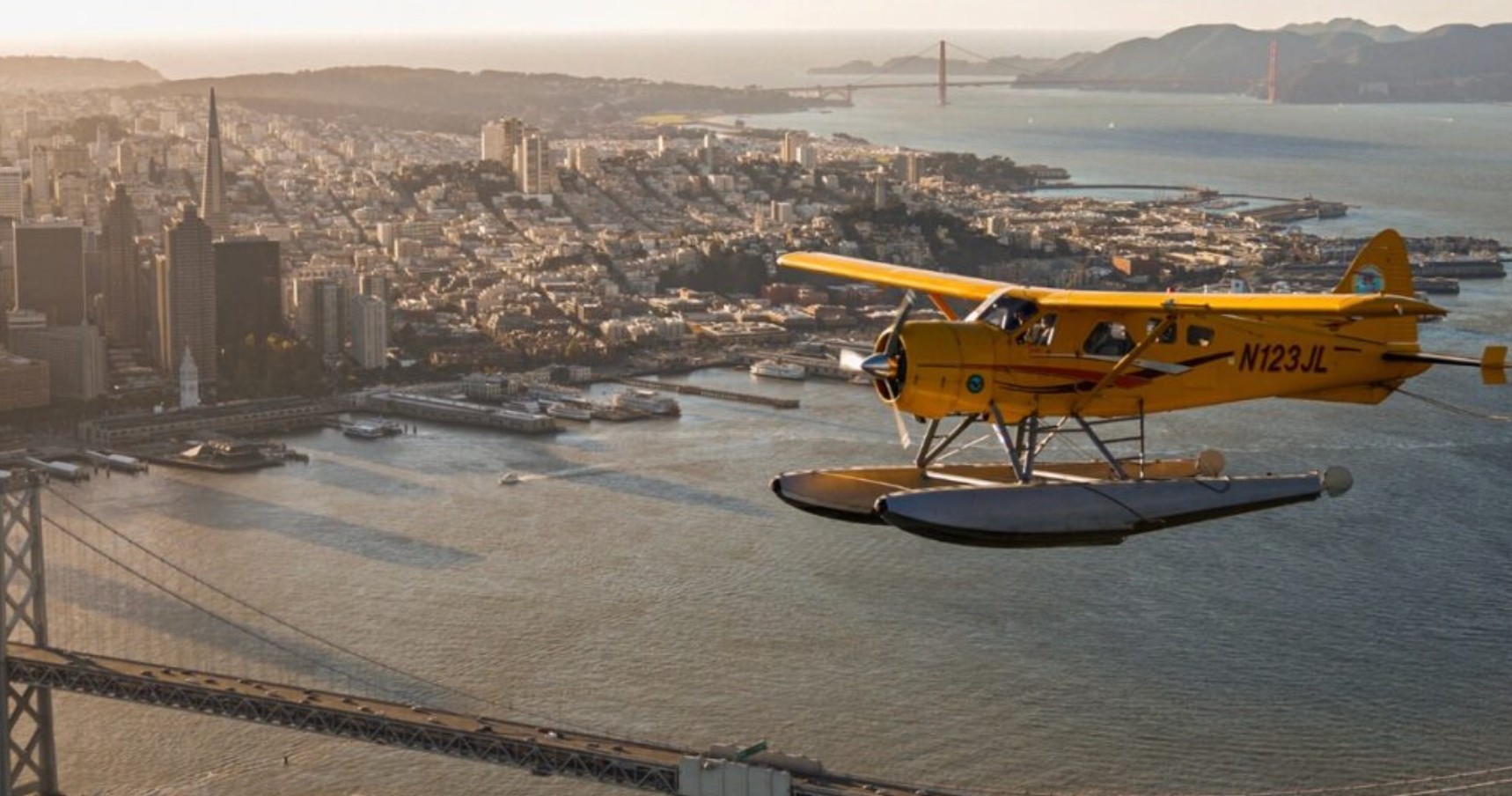
Perched on the bay’s eastern edge, Newark is an unobtrusive gateway to airborne perspectives that reveal the Bay Area’s layered geography—salt ponds like aerial mosaics, a scatter of islands, the raked arcs of bridges, and the low, glassy silhouette of the coastal range. This guide focuses on airplane-based experiences that launch from or near Newark: scenic flightseeing, introductory pilot flights, aerial photography charters, and general aviation access that make the region’s scale legible from above.

San Francisco BayEast Bay Flight CorridorDon Edwards Wildlife Refuge

Live destination inventory

Top Airplane Trips in Newark

18 trips · Book with confidence · Instant confirmation

The prototype intentionally does not invent replacement trip cards or add images that are not already part of the live source page.

The city from the water

Why Newark Is Worth an Aerial Visit

There are terrains you negotiate on foot, and there are terrains you read from a distance; Newark invites you to do both by taking to the air. Aboard a small plane the world rearranges—the fingerlike inlets of the bay become negative space, the salt evaporation ponds a checkerboard of bruised pinks and greens, and the grid of highways reads like a neural map of Silicon Valley. For travelers who crave clarity of scale, airplane experiences here are clarifying: city and estuary, marsh and runway, suburban sprawl and open water all resolve into a single, coherent view. But the appeal isn't only about pretty panoramas. Flightseeing and airplane-based adventures from Newark create encounters with a living transportation landscape. You fly along active commercial corridors and over protected wetlands, so every trip becomes a lesson in how the Bay Area balances urban pressure, aviation operations, and fragile habitat. Pilots point out landmarks—shifting shorelines, the ridgelines of Diablo and San Bruno, and the salt works that pulse with seasonal color—while also explaining how wind, tide, and thermal activity shape a flight. That practical context is part of the pleasure: you leave not only with photographs but with a clearer sense of the forces that make this place what it is. For practical-minded travelers, Newark is appealing because airplane experiences here are eminently accessible. General aviation operators and flight schools within a short ground hop offer everything from 30-minute sight-seeing hops to introductory discovery flights where a licensed instructor lets you take the controls under supervision. These short flights are ideal complements to ground-based adventures—the same day you can pair a dawn aerial tour with a shoreline walk in the refuge, or combine a chartered photography sortie with a sunset kayak on calmer parts of the bay. Seasonality is forgiving: while summer and fall generally deliver the clearest light for photography, winter storms bring dramatic low clouds and dynamic lighting that can be thrilling for more adventurous flyers. Whether you’re a first-time flyer or a pilot seeking a new route, Newark’s airplane scene is a compact, richly informative way to experience the Bay Area from an altitude that makes the region’s relationships visible.

Short flights are the bread-and-butter here—designed for travelers who want the exhilaration of flight without committing to a full day of aviation logistics. Many operators tailor routes to interests: wildlife and wetlands, urban skylines, or industrial and bridge photography. Expect orientation briefings that balance safety with storytelling about local geography.

For aspiring pilots, nearby flight schools offer discovery flights and training syllabi. These experiences are practical: you get a hands-on taste of controls, navigation basics, and airspace etiquette. Advanced experiences—tailwheel instruction, instrument familiarization, or vintage aircraft rides—are also accessible within the greater East Bay network for those who want to deepen their skills.

The harbor is the gateway, and the Pacific becomes the classroom.

Operationally, flights are shaped by tides and coastal wind patterns. Mornings often provide calmer air, improving comfort and photographic conditions. Conversely, late afternoon thermals and onshore breezes can make flights bumpier but offer dramatic slanted light over salt ponds and ridge shadows.

Activity focus

Choose by purpose

Whale watching, snorkeling, sunset sailing, cultural canoeing, harbor sightseeing, or private chartering.

Departure hubs

Start near the city

Waikiki and Honolulu Harbor are primary hubs, with some trips launching near Hanauma Bay.

Accessibility

Confirm the vessel

Gangways, shaded seating, and boarding requirements vary according to vessel size and operator.
Seasonal planning

Best Time to Visit

Newark is warm year-round, but wind, swell, migration, visibility, and demand change the best match between traveler and trip.

Newark boat tour
Year-round destination

Seasonal highlights change the reason to go

Winter favors humpback encounters; warmer, calmer months favor snorkeling visibility and smoother water.

Humpback season

Summer–early fall when visibility is highest and coastal layers thin out.

Prime whale watching, winter holidays, higher demand, and earlier sell-outs.

Snorkeling window

May–June–September–October

Typically gentler seas and clearer water for snorkeling trips.

Weather notes

Trade winds year-round

Late spring through early fall typically offers the clearest skies and gentler winds for photography and smoother flights. Morning departures often have more stable air; afternoon sessions can be windier but deliver richer, angled light. Winter brings more cloud and occasional storms—dramatic for photographers but occasionally limiting to operations.

Quieter opportunities

Late spring & summer weekdays

Winter and early spring flights can showcase dramatic weather systems, migrating bird concentrations, and dynamic light. Operators may offer reduced availability but unique photographic conditions.

Match the trip to your comfort

Choose Your Experience Level

Low effort

Beginner

Short, guided sight-seeing flights or discovery flights where an instructor handles takeoff and landing and lets you glimpse the controls in cruise.

  • 30–45 minute bay sight-seeing flight
  • Introductory discovery flight with dual controls
  • Aerial bird-and-wetland orientation tour
Active day trip

Intermediate

Private charters, dedicated aerial photography sorties, and structured flight lessons that cover basic maneuvers and navigation under instructor supervision.

  • Aerial photography charter over salt ponds and bridges
  • Multi-leg scenic flight combining city and coastal views
  • Initial flight training sessions (dual instruction)
Longer or technical

Advanced

Skill-focused flights for pilots: tailwheel or vintage aircraft instruction, instrument-simulated sorties, or advanced aerobatic/practical training conducted by certified instructors.

  • Tailwheel transition in a vintage trainer
  • Instrument flight rules (IFR) familiarization
  • Specialized aerial survey or long-range ferry planning

Prepare for sun, spray, and swell

What to Bring

Essential

Core kit

  • Government-issued photo ID for check-in
  • Weather-appropriate layers (cockpit temperatures fluctuate)
  • Sunglasses and sun protection
  • Compact camera with a fast lens or smartphone with plenty of storage
  • Motion-sickness medication if you’re prone to airsickness
Recommended

Useful extras

  • Noise-cancelling or in-ear headphones (headsets often provided, but check ahead)
  • Polarizing filter for aerial photography
  • Portable battery pack for phones and cameras
  • Light daypack for gear between flights and ground activities
Optional

Trip-specific

  • Binoculars for pre- or post-flight wildlife viewing on the shoreline
  • Reference map or downloaded navigation app for pilots (if participating in discovery flights)
  • Waterproof case for devices if you plan additional bay-side activities
Confirm aircraft type, headsets, and weight limits with your operator; weather and airspace demand flexible planning.

Insider Tips & Local Knowledge

Reserve whale-watching and popular sunset cruises well ahead during December–April.
Choose morning snorkeling departures for calmer seas and better underwater visibility.
For motion sensitivity, choose a larger vessel, sit mid-ship, and take preventative medication before boarding.
Do not touch coral or wildlife, avoid standing on reefs, and use reef-safe sunscreen.
Community-based operators may add context about traditional navigation and stewardship.
Arrive early for parking and check-in because Waikiki departure areas can be busy.

Planning questions

Frequently Asked Questions

Passengers do not need aviation permits for commercial sightseeing flights; operators handle regulatory compliance. You will need a government-issued photo ID for check-in.
Airplane Adventures in Newark, California
Ready for your airplane adventure?

Browse 18 verified trips in Newark.

Compare current availability and book with instant confirmation.

Explore Newark airplane