Climbing in Newry, Maine: Crags, Boulders & Ridge-Line Routes
Newry Climbing Guide

Climbing in Newry, Maine: Crags, Boulders & Ridge-Line Routes

Newry sits at a crossroads of forested ridgelines, river-carved ledges, and glacial boulder fields—an intimate corner of western Maine where short approaches and route variety make climbing accessible for a wide range of skill levels. Whether you’re drawn to slabby faces above the Androscoggin, high-ball boulders, or alpine moves on exposed ridgelines, Newry offers a concentrated taste of Maine’s vertical landscape within striking distance of Sunday River and the Mahoosuc backcountry.

Sunday RiverMahoosuc RangeGrafton Notch State Park

Live destination inventory

Top Climbing Trips in Newry

11 trips · Book with confidence · Instant confirmation

The prototype intentionally does not invent replacement trip cards or add images that are not already part of the live source page.

The city from the water

Why Newry Is a Standout Climbing Destination

There is an immediacy to climbing around Newry that rewards explorers who like their approaches short and their objectives varied. The town’s access to Sunday River’s ski terrain, the stony shoulders of the Mahoosuc Range, and river-scoured ledges creates a patchwork of climbing opportunities: low-angle slabs that warm quickly in spring, compact boulder fields that demand balance and composure, and exposed ridgelines that give you the sensation of climbing above a living map of forest and stream. The landscape itself reads like a history of ice—glacial polish and perched erratics remind you that every handhold was carved by something other than human hands. That geology produces a texture of routes rather than a single, dominant style, which is why Newry attracts weekenders and visiting parties who want to mix trad, sport-style face climbs, and bouldering into one trip. Beyond the rock, Newry’s climbing culture is quietly collaborative. Local climbers tend to share beta generously: which boulders clear quickly after a rain, what approaches take wet roots into account, and where winter ice forms reliably for those who chase frozen lines. The proximity to Sunday River also means you can stitch a climbing day with a lift-served hike in shoulder seasons or swap your ropes for skis after the first heavy snowfall. And because the scene is not overrun, you’ll often find the top of a route to be a reflective place—just you, the birds, and wide views that stretch into the Mahoosucs and toward Grafton Notch. Practical considerations shape the experience almost as much as exposure and rock: many classic crags are found along quiet logging roads or in small pullouts, so timing and a little local reconnaissance matter. Weather patterns are typically stable in late spring and early fall; summer afternoons can heat slabs and make mossy sections slick, while winter transforms faces into technical mixed or ice climbs requiring extra expertise and gear. For travelers, this balance—accessible approaches, a mosaic of route types, and a friendly regional climbing community—makes Newry an appealing stop for a long weekend or a concentrated climbing-focused trip that pairs well with mountain biking, trail hiking, and the region’s seasonal food and lodging scene.

Short approaches are a hallmark of the area: many crags sit within 10–30 minutes of parking, which makes it easy to do multiple pitches or circuits in a single day.

Route diversity is the appeal—bouldering, single-pitch face climbing, and exposed ridge moves coexist within a short drive, allowing groups with mixed skill levels to find something for everyone.

The harbor is the gateway, and the Pacific becomes the classroom.

Seasons reshape the offerings. Late spring and early fall bring the most stable rock conditions and comfortable climbing temperatures; summer mornings can be ideal if you want to beat the afternoon heat.

Because many routes are on unmarked or less-formalized cliffs, local beta, guidebooks, and climbing apps are helpful tools for navigation and condition updates.

Activity focus

Choose by purpose

Whale watching, snorkeling, sunset sailing, cultural canoeing, harbor sightseeing, or private chartering.

Departure hubs

Start near the city

Waikiki and Honolulu Harbor are primary hubs, with some trips launching near Hanauma Bay.

Accessibility

Confirm the vessel

Gangways, shaded seating, and boarding requirements vary according to vessel size and operator.
Seasonal planning

Best Time to Visit

Newry is warm year-round, but wind, swell, migration, visibility, and demand change the best match between traveler and trip.

Newry boat tour
Year-round destination

Seasonal highlights change the reason to go

Winter favors humpback encounters; warmer, calmer months favor snorkeling visibility and smoother water.

Humpback season

Late September through mid-October (fall color and stable crisp weather).

Prime whale watching, winter holidays, higher demand, and earlier sell-outs.

Snorkeling window

May–June–September–October

Typically gentler seas and clearer water for snorkeling trips.

Weather notes

Trade winds year-round

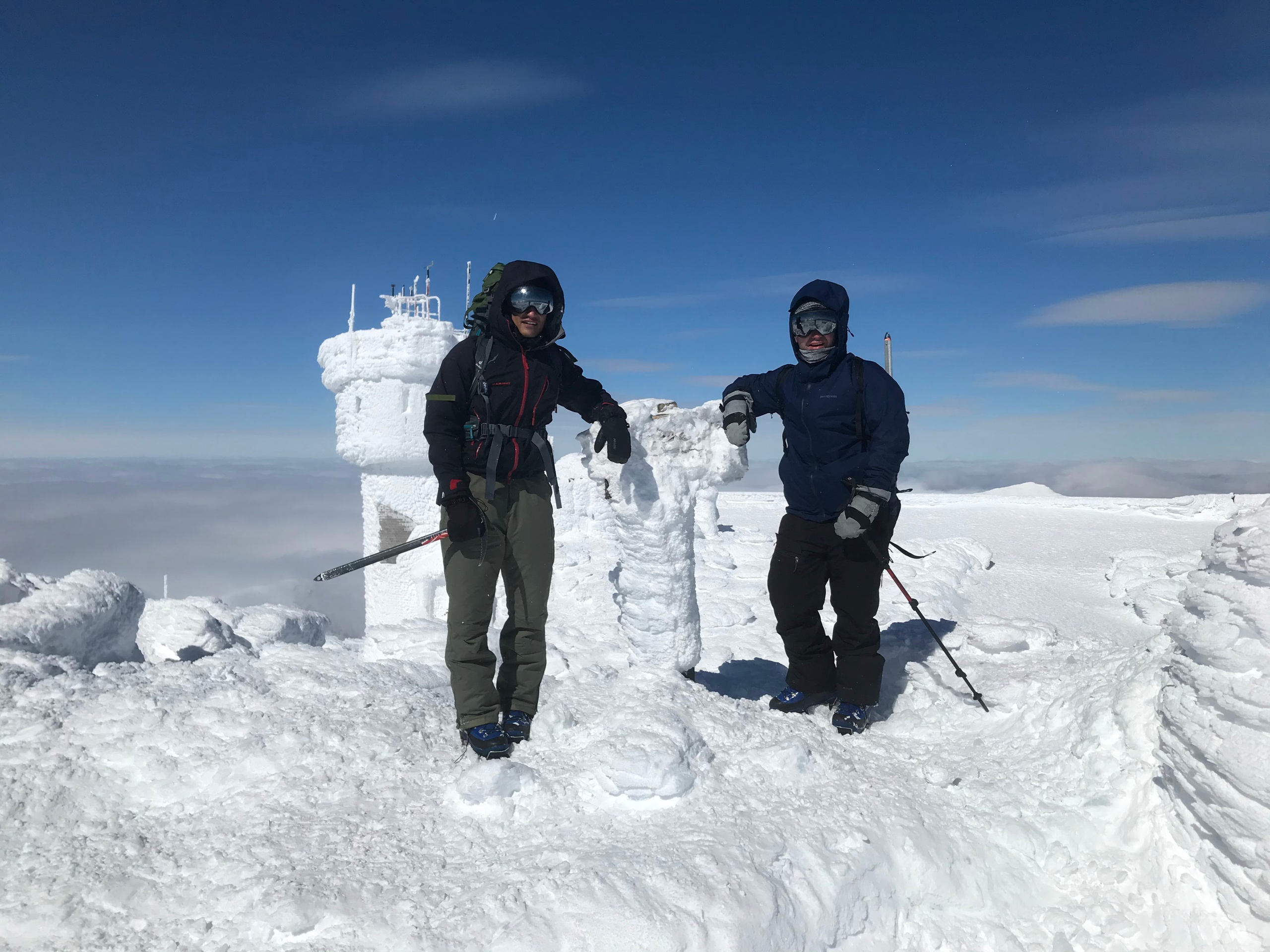
Late spring and early fall offer the best temperatures for friction and long climbing days; summer can get humid with warmed slabs in the afternoons. Winter is cold and snowbound but opens possibilities for experienced mixed and ice climbers.

Quieter opportunities

Late spring & summer weekdays

Winter brings quiet roads and ice/mixed climbing options for well-equipped, experienced teams; off-season visits require winter travel skills and awareness of snowpack and avalanche conditions in nearby backcountry.

Match the trip to your comfort

Choose Your Experience Level

Low effort

Beginner

Introductory single-pitch top-ropes and low-angle slab routes with short approaches—ideal for first-time outdoor climbers under experienced supervision.

  • Top-rope slab practice
  • Beginner bouldering circuits near roadside pullouts
  • Introductory multi-pitch simul-climb practice on short ridgelines
Active day trip

Intermediate

Short trad leads, sport-style face climbs, and longer boulder problems that demand technique and route-finding.

  • Single-pitch trad leads on protected cracks and corners
  • Moderate bouldering circuits on glacial erratics
  • Late-summer ridge scrambles that blend hiking and easy technical moves
Longer or technical

Advanced

Sustained trad routes, highball bouldering, and exposed ridge climbs—plus winter mixed/ice lines that require specialized tools and experience.

  • Long, runout trad routes requiring precise gear placement
  • Highball projecting on steep, polished boulders
  • Technical mixed and ice climbs in winter conditions (for experienced parties)

Prepare for sun, spray, and swell

What to Bring

Essential

Core kit

  • Climbing shoes and chalk
  • Harness, helmet, and a personal anchor
  • A light rack for trad (cams and nuts) if pushing trad lines
  • Quickdraws and a 60–70m rope for single-pitch sport or trad routes
  • Plenty of water and layered clothing
Recommended

Useful extras

  • Guidebook or reliable beta from local sources and climbing apps
  • Crash pad for bouldering and a spotter
  • Topo photos or sketch maps (many lines are on informal crags)
  • Small first-aid kit and headlamp
Optional

Trip-specific

  • Tape and finger care supplies for sustained boulder problems
  • Light grill or stove for a post-climb picnic
  • Micro-spikes or traction for early spring/late fall approaches
Respect seasonal closures, private land signage, and trailhead parking rules. Cell service can be patchy—download beta and topos before you go.

Insider Tips & Local Knowledge

Reserve whale-watching and popular sunset cruises well ahead during December–April.
Choose morning snorkeling departures for calmer seas and better underwater visibility.
For motion sensitivity, choose a larger vessel, sit mid-ship, and take preventative medication before boarding.
Do not touch coral or wildlife, avoid standing on reefs, and use reef-safe sunscreen.
Community-based operators may add context about traditional navigation and stewardship.
Arrive early for parking and check-in because Waikiki departure areas can be busy.

Planning questions

Frequently Asked Questions

Most roadside crags and boulder fields near Newry are on public or permissive-use lands and don’t require permits. Always check signage at trailheads and confirm access with local land managers if a route crosses private property.
Climbing in Newry, Maine: Crags, Boulders & Ridge-Line Routes
Ready for your climbing adventure?

Browse 11 verified trips in Newry.

Compare current availability and book with instant confirmation.

Explore Newry climbing