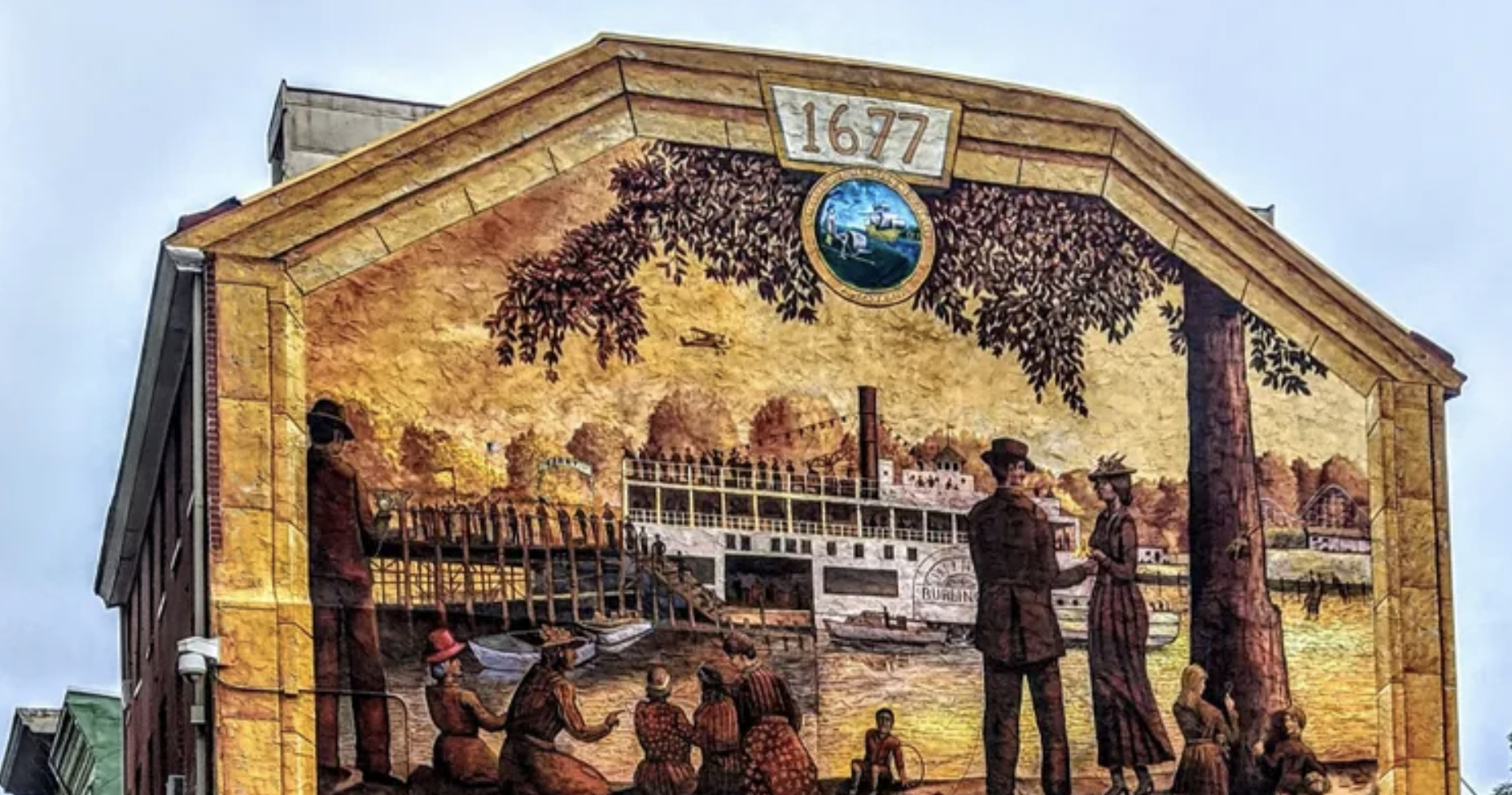
Why Newtown Is a Standout Walking Tour Destination
Newtown is the kind of small American town that rewards slow movement: walk a few blocks and you’re already reading brick facades, weathered signage, and stoops that remember another century. The borough’s compact grid preserves layers of history—Quaker-founded simplicity, colonial-era commerce, and nineteenth-century civic pride—so a walking tour here functions as both a short lesson in regional history and an unhurried sensory experience. Streets are human-scaled; storefronts and churches sit close to the sidewalk, trees shade porches, and side alleys open onto pocket parks. The proximity of parks and creeks means a walking itinerary can easily mix town and country. A 10–30 minute stroll from downtown deposits you into open meadow and shady trails at parks like Tyler State Park and along Neshaminy Creek. That variety—historic architecture, intimate civic spaces, creekside greenways, and nearby woodland trails—makes Newtown especially appealing for travelers who want a day of exploration that never feels rushed.
Walking tours in Newtown also scale to many appetites. Casual travelers and families will appreciate short loops that keep the feet flat and the stops frequent: a historic marker, a century-old bakery, a municipal green. For those who want a deeper dive, layered routes extend into neighboring parkland, following uneven creekside paths, field edges, and forested loop trails that introduce a contrasting terrain and different pace. The seasonal changes here are striking without being extreme—spring fills planters and tree canopies with new green, summer brings lively sidewalk life and longer daylight, autumn offers small-town foliage in brilliant bursts, and winter provides a quieter, more interior feeling to the streetscape. Because so much of the experience depends on walking and lingering, it’s easy to tailor a day around weather, mobility, and interests: architecture and local history, nature and birding, or shop-and-café hopping with frequent benches for people-watching.
Practical considerations are part of the appeal. Newtown’s walkable center reduces the need to drive between points of interest; parking is usually peripheral, and several short walks connect parking areas to the core. Paths vary—from even brick and paved sidewalks in town to crushed-stone, root-strewn trails in parks—so footwear choices matter. Accessibility is mixed: many downtown sidewalks and civic spaces are accessible, but some historic buildings and older sidewalks have steps or narrow passages that require planning. Local organizations run guided walks at times that highlight seasonal stories—history walks, fall foliage rambles, and nature walks—so checking a local events calendar can enhance a self-guided route. Above all, walking in Newtown is about pace: the town rewards curiosity, an awareness of place, and the willingness to stop at a window, a plaque, or a bench to absorb the details that a faster mode of travel would miss.
Compact variety: downtown blocks, historic homes, municipal green, and nearby parkland are all walkable in short sequences.
Layered experiences: history, architecture, natural corridors, and local food culture combine easily on a single route.
The harbor is the gateway, and the Pacific becomes the classroom.
Seasonal character: spring and fall are especially photogenic, summer offers lively sidewalk life, and winter provides solitude.
Choose by purpose
Whale watching, snorkeling, sunset sailing, cultural canoeing, harbor sightseeing, or private chartering.
Start near the city
Waikiki and Honolulu Harbor are primary hubs, with some trips launching near Hanauma Bay.
Confirm the vessel
Gangways, shaded seating, and boarding requirements vary according to vessel size and operator.