Dolphin Watching & Wild Dolphin Encounters in Niceville, Florida
Niceville Dolphin Guide

Dolphin Watching & Wild Dolphin Encounters in Niceville, Florida

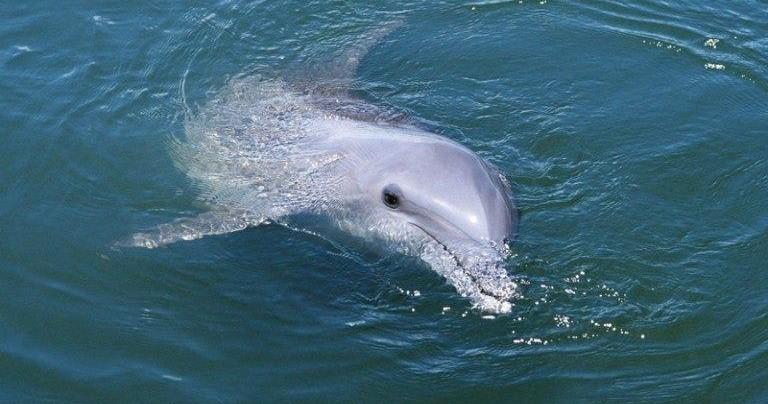
Niceville sits where bay and gulf meet, and along that brackish seam you’ll find some of the most reliably playful dolphin activity on Florida’s panhandle. Whether you glide out in a quiet kayak, ride a low-key eco-cruise, or scan the passes from shore, the dolphins here—mostly inshore bottlenose—offer engaging, family-friendly encounters framed by cedar-lined bays, low-slung marsh, and wide skies.

Choctawhatchee BayGulf CoastEglin Reservation Shorelines

Live destination inventory

Top Dolphin Trips in Niceville

61 trips · Book with confidence · Instant confirmation

The prototype intentionally does not invent replacement trip cards or add images that are not already part of the live source page.

The city from the water

Why Niceville Is a Singular Place for Dolphin Encounters

The first time you see a dolphin arc through the wake off Niceville’s shoreline, there’s a small, undeniable rearrangement of priorities: the mundane rush of daily life gives way to a quieter attentiveness. That shift—toward patience, curiosity, and being present—is what makes dolphin watching here more than a checklist item; it’s a moment of communion with a coastal ecosystem that has shaped local life for generations. Choctawhatchee Bay’s shallows and tidal channels concentrate baitfish and schooling mullet, creating a reliable buffet that draws in inshore bottlenose dolphins. These animals are adapted to the patchwork of marsh, seagrass, and sandy flats that characterize the area: they navigate narrow passes, hunt along submerged edges, and sometimes ride the bow of an outgoing boat with a casual, almost mischievous grace. The cultural context deepens the experience. Niceville’s waterfront communities are built around fishing, shrimping, and salt-sprayed evenings—activities that have long put people and marine life into the same frame of reference. Local guides often grew up on these waters, and their knowledge—about tides, where the schools break, and the idiosyncrasies of individual dolphin groups—turns a simple sighting into an informed story about movement, seasonality, and behavior. That human layer is balanced by a strong conservation ethic. Federal protections and local stewardship have reduced threats like intentional feeding and harassment, and many operators follow strict viewing protocols designed to minimize disturbance. On guided trips you’ll hear about citizen science projects that track sightings, stranding response networks, and volunteer beach cleanups—reminders that these encounters are part of a fragile, shared environment. The sensory scene is immediate: salt in the air, low hum of an outboard or the whisper of a paddle, the sudden silver flash of a body breaching and the soft slap of a tail. But there’s also variety. In calm mornings you might slip out in a kayak and watch dolphins weave through oyster bars; on an afternoon eco-cruise you’ll see them working a pass where the bay meets the gulf; and during certain seasons, larger groups will stage close toshore as baitfish surge along sandbars. For photographers and naturalists, Niceville offers excellent vantage points—short launches, quiet coves, and expansive light that flatters movement. Complementary activities deepen the trip: paddleboarding for a low-profile approach, birdwatching in the salt marsh for a broader view of the food web, or a sunset cruise that blends dolphin viewing with local seafood and shoreline history. Practical realities matter, too. Dolphins are wild animals; sightings are never guaranteed, and behavior shifts with tide, weather, and human presence. Responsible operators prioritize slow approaches, engine-off observation, and spacing rules to let dolphins choose how close they get. The best visits combine a little local lore, a measure of patience, and a respect for the animals’ rhythm—an approach that rewards travelers with memorable encounters that feel intimate and rightly earned.

Niceville’s sheltered bays and tidal passes create concentrated feeding zones that make dolphin sightings frequent and often very close to shore.

Local guides blend natural-history interpretation with practical marine-skills knowledge—valuable for safe, respectful viewing.

The harbor is the gateway, and the Pacific becomes the classroom.

Complementary activities include kayaking, paddleboarding, inshore fishing, birdwatching, and coastal photography.

Conservation-minded viewing practices are widely adopted by operators; avoid feeding, chasing, or circling dolphin groups.

Activity focus

Choose by purpose

Whale watching, snorkeling, sunset sailing, cultural canoeing, harbor sightseeing, or private chartering.

Departure hubs

Start near the city

Waikiki and Honolulu Harbor are primary hubs, with some trips launching near Hanauma Bay.

Accessibility

Confirm the vessel

Gangways, shaded seating, and boarding requirements vary according to vessel size and operator.
Seasonal planning

Best Time to Visit

Niceville is warm year-round, but wind, swell, migration, visibility, and demand change the best match between traveler and trip.

Niceville boat tour
Year-round destination

Seasonal highlights change the reason to go

Winter favors humpback encounters; warmer, calmer months favor snorkeling visibility and smoother water.

Humpback season

Late spring through early fall—higher operator frequency and more frequent sightings during warm months.

Prime whale watching, winter holidays, higher demand, and earlier sell-outs.

Snorkeling window

April–May–June–July–August–September

Typically gentler seas and clearer water for snorkeling trips.

Weather notes

Trade winds year-round

Late spring through early fall brings warm water and active baitfish schools that draw dolphins closer to shore. Summer afternoons often develop thunderstorms—plan outings for early morning or late afternoon. Winter conditions are cooler but can still yield good sightings, particularly near passes where water movement concentrates prey.

Quieter opportunities

Late spring & summer weekdays

Winter offers quieter waterways, fewer boats, and occasional close-in schools near tidal passes; bring warmer layers and check operator schedules.

Match the trip to your comfort

Choose Your Experience Level

Low effort

Beginner

Shore-based observation points, short eco-cruises, and calm-water kayak trips suitable for first-timers.

  • Short bay eco-cruise focused on dolphin viewing
  • Guided, flat-water kayak outing in protected coves
  • Shorewatch at local boat ramps and piers during incoming tides
Active day trip

Intermediate

Longer paddle or power-boat trips into passes and nearshore waters; moderate boating comfort and basic paddling skills recommended.

  • Half-day dolphin and coastal-ecosystem cruise
  • Guided stand-up paddleboard tour in protected channels
  • Inshore fishing trip combined with opportunistic dolphin sightings
Longer or technical

Advanced

Offshore charters or multi-hour expeditions where sea conditions, boat handling, and navigation experience are more demanding.

  • Extended gulf-shelf charter to watch dolphin behavior near sandbars and passes
  • Photography-focused excursions timed for particular light and movement
  • Citizen-science trips that involve data collection and extended on-water time

Prepare for sun, spray, and swell

What to Bring

Essential

Core kit

  • Waterproof layers and sun protection (hat, sunscreen, sunglasses)
  • Light waterproof jacket for marine spray and sudden showers
  • Reusable water bottle and snacks
  • Camera with zoom or binoculars for distant sightings
  • Motion-sickness remedies if you’re prone to seasickness
Recommended

Useful extras

  • Light windbreaker and a small dry bag for electronics
  • Polarized sunglasses to reduce glare and improve water visibility
  • Comfortable water shoes for launches and rocky shorelines
  • Phone tether or carabiner to secure devices in small watercraft
Optional

Trip-specific

  • Compact spotting scope for distant groups
  • Notebook for field notes or citizen-science reporting
  • GoPro or action camera for hands-free footage
Check weather, operator credentials, and local regulations before heading out. Respect marine wildlife and follow no-touch, no-feed principles.

Insider Tips & Local Knowledge

Reserve whale-watching and popular sunset cruises well ahead during December–April.
Choose morning snorkeling departures for calmer seas and better underwater visibility.
For motion sensitivity, choose a larger vessel, sit mid-ship, and take preventative medication before boarding.
Do not touch coral or wildlife, avoid standing on reefs, and use reef-safe sunscreen.
Community-based operators may add context about traditional navigation and stewardship.
Arrive early for parking and check-in because Waikiki departure areas can be busy.

Planning questions

Frequently Asked Questions

No general permit is required for casual shore-based viewing. Commercial operators must hold appropriate marine business licenses; check with individual outfitters for their credentials.
Dolphin Watching & Wild Dolphin Encounters in Niceville, Florida
Ready for your dolphin adventure?

Browse 61 verified trips in Niceville.

Compare current availability and book with instant confirmation.

Explore Niceville dolphin