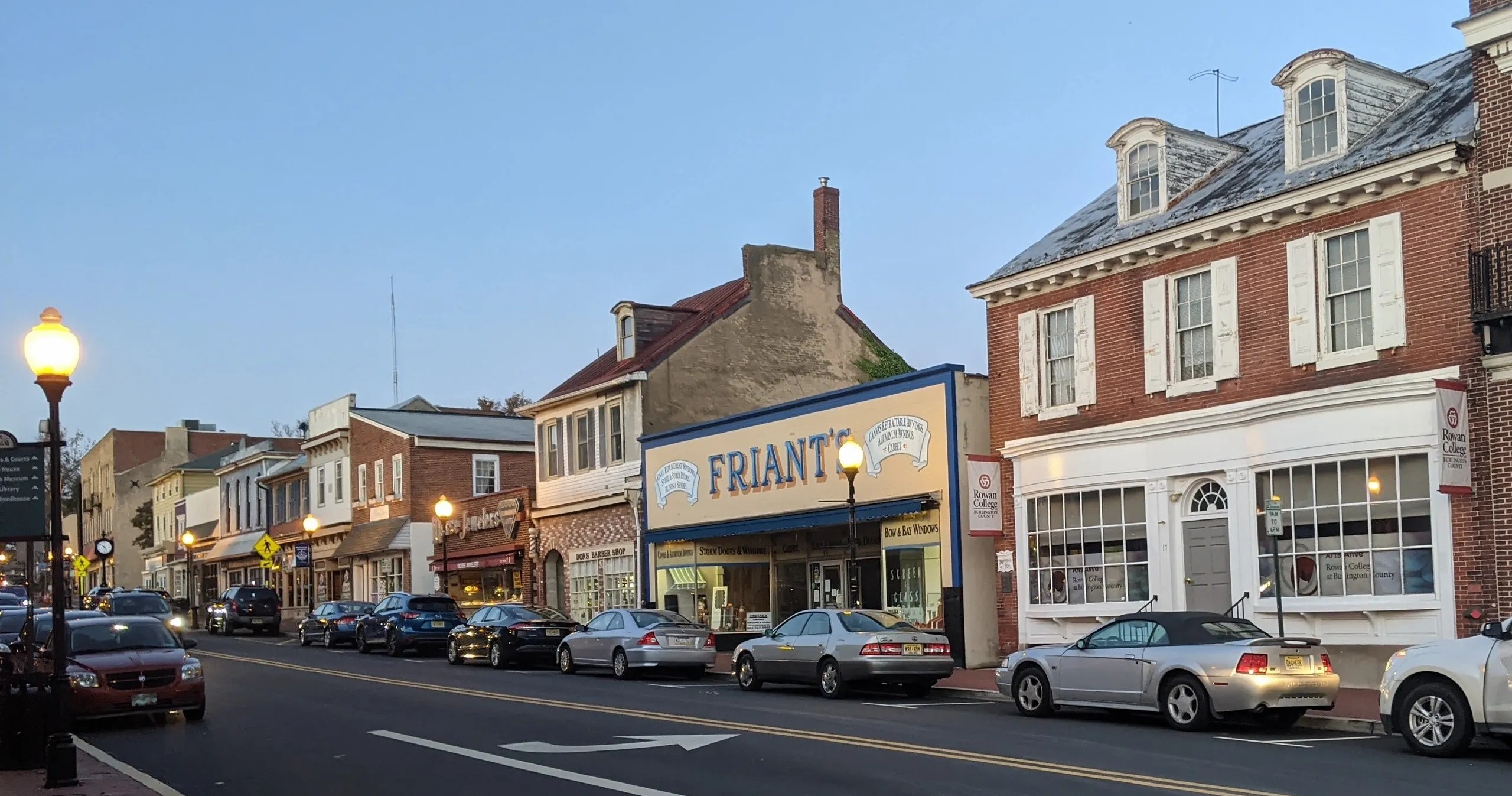
Walks around North Hanover feel intimate because the landscape itself is modest: low rolling farms, narrow township roads, and the slow, reed-lined edges of creeks that have long shaped local life. But that modesty is precisely the point. These walking tours are about noticing—old stone walls half-hidden by moss, clapboard houses with peeling paint that speak to agricultural pasts, the sudden opening to a cranberry bog glinting like a glass board in early autumn, and the small yet telling plaques that mark Civil War veterans, forgotten mills, or the footprint of a rail spur. Walking here is a way to tune into regional layers: agricultural rhythms, Pine Barrens ecology, and 20th-century military influences where the nearby base has left both infrastructure and stories that ripple through local neighborhoods.
For visitors, the appeal is practical as much as poetic. The network of quiet roads and maintained sidewalks near village centers make for accessible, low-stress outings—perfect for a morning stroll followed by coffee and a pastry. A short riverside loop along Rancocas Creek or a greenway path through small woods can double as birdwatching time; spring migration and fall movement put a variety of songbirds and waterfowl in reach of binoculars. For those who prefer a themed walk, guided history routes or curated self-guided itineraries highlight agricultural practices, brick-and-mortar landmarks, and the contested boundary between developed town and preserved Pine Barrens.
Seasonality changes the mood dramatically. Spring brings fresh leaf-out, wildflowers along ditch lines, and a softness to the landscape that invites slower, observational walking. Summer can be humid—best saved for early mornings or shaded routes—while autumn is when lowlands and cranberry bog edges take on warm tones and the light seems to stretch longer into the afternoon. Winter offers its own clarity: stark silhouettes of tree-lines, distant farm silhouettes, and the kind of solitude walkers prize, though cold, muddy, or icy patches can make certain routes less comfortable.
Finally, what makes walking tours here rewarding is how they connect to complementary outdoor experiences. A short hike can be extended into a paddle on calm creek water, a bike ride along quiet backroads, or a visit to a nearby conservation area for a longer nature outing. That flexibility—mixing a cultural stroll with a small outdoor adventure—gives North Hanover’s walking tours a quietly versatile appeal for travelers who want both place-based stories and easy access to nature.
The variety: urban-edge village walks, creek-side loops, agricultural road rambles, and Pine Barrens boardwalks are all within easy reach of town.
Seasonal highlights: spring wildflowers and migratory birds, humid but lively summers, vivid fall color at low elevations, and quiet, crisp winter walks for solitude seekers.
Choose by purpose
Whale watching, snorkeling, sunset sailing, cultural canoeing, harbor sightseeing, or private chartering.
Start near the city
Waikiki and Honolulu Harbor are primary hubs, with some trips launching near Hanauma Bay.
Confirm the vessel
Gangways, shaded seating, and boarding requirements vary according to vessel size and operator.