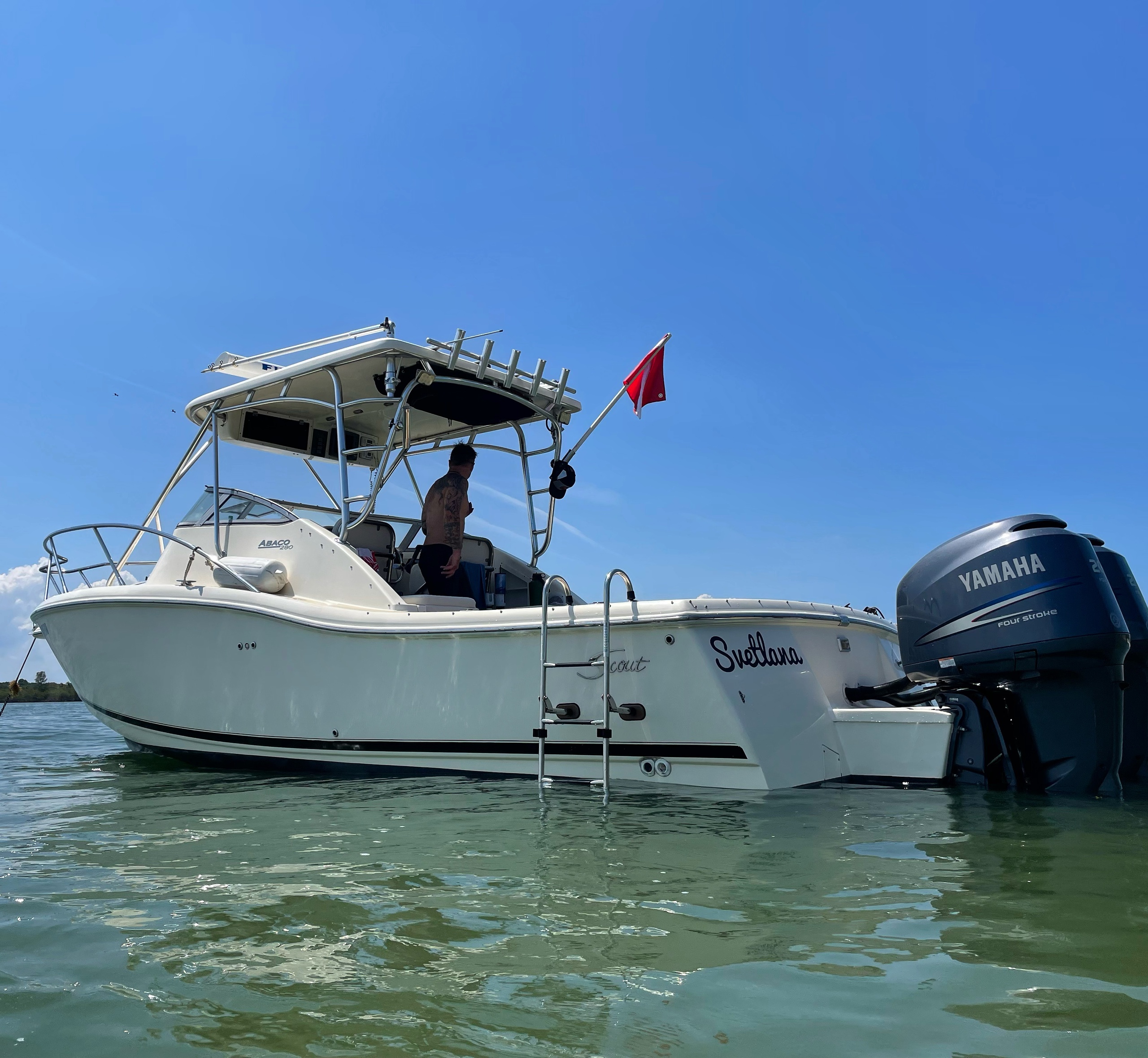
On the windward flank of Hawaiʻi Island, Paauilo sits where mountain runoff meets an abrupt coastline and the sea quickly deepens—a confluence that concentrates bait and signals opportunity for anglers. The town itself is small and rooted in the working landscape of taro patches, ranchlands, and former plantation roads; its scale means you arrive with a local tempo rather than a tourist schedule. From short, tactical sessions along black‑rock headlands to full-day runs into offshore bluewater, Paauilo's rhythm is defined by variety. Shore anglers can find quiet coves and rocky points that invite plug-casting and reef tactic; inshore anglers work kelp lines and nearshore reefs for snapper and goatfish; and nearby corridors into deeper water cut offshore travel time, allowing charters to hunt pelagics without spending all day transiting.
Fishing here is as much about reading the elements as it is about technique. Trade winds set surface conditions; swell and current shape where bait congregates; and the island's steep underwater topography means meaningful depth changes occur close to shore. That makes weather forecasting and tide planning essential—the same conditions that produce volatile, rewarding fishing can also create safety challenges for smaller craft and shore anglers. Local captains and long-time residents are often the best early-warning system for safe access and productive marks. Respect for marine habitat and an awareness of seasonal restrictions are also part of the practice: reefs host fragile coral life, and certain species are managed with size, bag, or seasonal rules.
Beyond the mechanics, Paauilo offers a quieter cultural frame to the day. You’ll cross a landscape of old sugar mill ruins, church steeples, and roadside stands selling tropical fruit. Meals after a catch lean toward the communal: a fish cleaned in someone's driveway, a shared plate of poi, or a plate lunch at a nearby café. If you pair fishing with the region’s other outdoor draws—waterfall hikes up gulches, scenic drives along the Hāmākua Coast, or birding in remnant forest—you get a fuller sense of place. Practically, the town functions as a base for a mix of self-guided shore trips and guided offshore departures. For planning, expect shorter transit times to good fishing compared with some other parts of the island, but bring an adaptable itinerary—weather can flip, and the best days are often those that allow you to adjust to wind and swell with a local tip or two.
Quick access to deep water: The island's shelf drops relatively steeply near Paauilo, which shortens run times for charters seeking pelagic species; that makes both half-day and full-day offshore trips viable.
Diverse fishing modes: Anglers can mix rock-and-reef shore casting, float-fishing along kelp and current lines, and offshore trolling or jigging for larger species.
The harbor is the gateway, and the Pacific becomes the classroom.
Local knowledge matters: Small-scale access points, seasonal fish patterns, and safe launch windows are best learned from local captains and anglers to reduce risk and increase success.
Choose by purpose
Whale watching, snorkeling, sunset sailing, cultural canoeing, harbor sightseeing, or private chartering.
Start near the city
Waikiki and Honolulu Harbor are primary hubs, with some trips launching near Hanauma Bay.
Confirm the vessel
Gangways, shaded seating, and boarding requirements vary according to vessel size and operator.