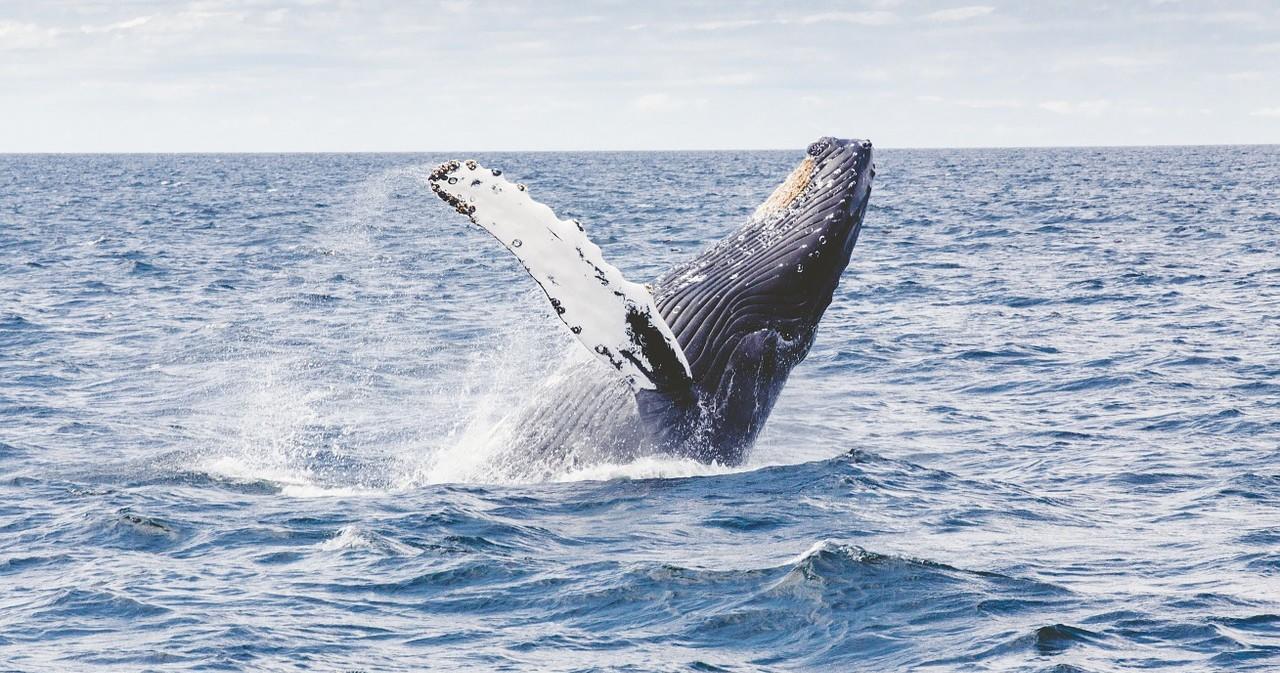
Why Pa‘auilo Is a Standout Whale-Watching Destination
Pa‘auilo folds like a weathered photograph of old Hawai‘i: narrow roads, roadside fruit stands, and a coastline cut by lava and time into deep coves and basalt cliffs. But during the humpback season it becomes a theatre for marine life—the sort of place where the ocean’s scale becomes obvious and immediate. Humpbacks come to Hawai‘i for one reason: to give birth and raise calves away from the colder, richer feeding grounds in Alaska. The shallow, warm waters off the Hamakua Coast create an environment where mothers and calves surface, roll, and swim with surprising proximity to shore. From select headlands and low cliffs you can watch spouts, tail-lobs, and the rhythmic breathing of a species that looks utterly calm and enormous from a few hundred yards away.
What sets Pa‘auilo apart is accessibility and variety. Unlike crowded boardwalks or remote outposts, Pa‘auilo offers a mixture of easy shoreline viewing, short local boat trips, and guided kayak outings that are suitable for families and photographers alike. The coastline’s structure—fringed with calm coves and pockets of deeper water—creates micro-habitats where whales linger. Operators based nearby prioritize respectful approaches and local knowledge, which means encounters are often deliberate and educational rather than chaotic. You’ll also find that the human scale of Pa‘auilo—small communities, local eateries, and an absence of high-rise tourism infrastructure—means whale watching here folds into a full-day, place-based experience: snorkel or tidepool after a morning watch, hike a coastal trail during the afternoon light, or take a helicopter flight for a vertical perspective of whales moving through the current.
Conservation and cultural context are woven into any thoughtful visit. Native Hawaiian relationships to the ocean, the modern protections for marine mammals, and community-based stewardship programs influence how tours operate and what you’ll be encouraged to observe. Expect guides to explain distance rules, seasonal behaviors, and the larger ecosystem that supports the humpbacks—pardon the emotion, but seeing a calf nudge its mother or an adult lob its tail in a quiet cove feels like witnessing an old, public ritual. Practically, the best months are clear: December through April delivers the bulk of sightings, with January–March often the most active. Weather, swell, and wind can alter vantage points day to day, so flexibility and a local guide’s patience will repay you with the most memorable, respectful encounters.
Shore-watching spots in Pa‘auilo offer low-effort viewing and excellent photographic light at dawn and dusk; small-boat and kayak trips add intimacy and educational context.
Combine whale watching with coastal hiking, tidepool exploration, snorkeling in calmer bays, and local cultural experiences for a full, sustainable-day itinerary.
Choose by purpose
Whale watching, snorkeling, sunset sailing, cultural canoeing, harbor sightseeing, or private chartering.
Start near the city
Waikiki and Honolulu Harbor are primary hubs, with some trips launching near Hanauma Bay.
Confirm the vessel
Gangways, shaded seating, and boarding requirements vary according to vessel size and operator.