Dolphin Encounters in Pāhala, Hawaii
Pāhala Dolphin Guide

Dolphin Encounters in Pāhala, Hawaii

Off the quiet southern shore of the Big Island, Pāhala is an understated launch point for ocean encounters with dolphins that feel intimate and wild. From small-boat dolphin watches to guided snorkel trips and kayak excursions that shadow small pods, the area offers year-round opportunities to see spinner, bottlenose, and spotted dolphins in open-water habitats. This guide distills where to look, how to plan responsibly, and what to expect when you chase the swift arcs and playful chuffs of Hawaiʻi’s dolphins.

Kaʻū CoastSouth Kona WatersHawaiʻi Island Offshore

Live destination inventory

Top Dolphin Trips in Pāhala

12 trips · Book with confidence · Instant confirmation

The prototype intentionally does not invent replacement trip cards or add images that are not already part of the live source page.

The city from the water

Why Dolphin Encounters Near Pāhala Matter

There is a particular hush that falls over the Kaʻū coast before a dolphin encounter. Pāhala itself is a place of contrasts—black lava fields meeting a cobalt sea, old sugar-town roads that lead to shoreline cliffs where trade winds sketch the surface—so the sudden, buoyant energy of dolphins feels almost like an interruption to the island’s slower pulse. In these waters, pods are not staged spectacles; they are wild communities moving through deep foraging grounds and nearshore reefs. That makes sighting them here both palpably thrilling and quietly humbling. Approaching dolphin experiences from Pāhala is different from picture-postcard boat tours out of larger harbors. The trips that launch near Kaʻū tend to be smaller, often focused on low-impact observation and on-the-water stewardship. Guides who know these waters read more than charts; they watch dorsal breaks, understand seasonal prey shifts, and time outings to calm morning conditions when visibility is best. For travelers who crave authenticity—those who prefer a single-operator skiff to cavernous tour boats—Pāhala’s dolphin outings deliver nuance: the distinctive inverted spins of spinner dolphins at play, the more deliberate surfacing of bottlenose pods, and sometimes mixed aggregations where young spotted dolphins ride the bow wakes of passing boats. From a planning perspective, the experience is shaped by ocean conditions as much as by the animals. Trade winds, swell direction, and recent rains all influence where pods travel and how accessible those areas are. Even on calm days, dolphins are selective; they may move offshore to follow deep-water prey or slip into sheltered coves to rest. That variability rewards flexibility: early departures, a willingness to switch between snorkel and observation-only modes, and choosing operators who prioritize animal welfare over photo opportunities. For travelers committed to ethical wildlife viewing, Pāhala offers a masterclass in patient observation—where the payoff is not a posed snapshot but the memory of a pod cutting through blue water, surfacing in disciplined sequence, and vanishing as quickly as it arrived. Beyond the immediate thrill, these encounters are an entry point into the oceanic ecology of Hawaiʻi Island. Dolphins are sentinels of marine health; seeing them frequently in a region suggests productive feeding grounds and complex coastal ecosystems. Visiting with respect—keeping distance when required, using guides who follow local regulations and best practices, and favoring trips that educate about conservation—keeps these encounters possible for future travelers. In short, dolphins near Pāhala are not only the bright moment of a day at sea; they are a reminder that responsible adventure can be both exhilarating and regenerative.

Small-boat operators around Pāhala emphasize low-impact practices: limiting approach speed, observing from a distance when pods are feeding, and discouraging swimming directly toward the animals. These norms are key to maintaining natural behavior and long-term access.

Dolphin watching pairs well with other Kaʻū experiences: combine a morning dolphin cruise with an afternoon coastal hike, a bay snorkel for reef fish, or a sunset stargazing session—Hawaiʻi Island’s diversity of micro-environments makes each day varied and full.

Activity focus

Choose by purpose

Whale watching, snorkeling, sunset sailing, cultural canoeing, harbor sightseeing, or private chartering.

Departure hubs

Start near the city

Waikiki and Honolulu Harbor are primary hubs, with some trips launching near Hanauma Bay.

Accessibility

Confirm the vessel

Gangways, shaded seating, and boarding requirements vary according to vessel size and operator.
Seasonal planning

Best Time to Visit

Pāhala is warm year-round, but wind, swell, migration, visibility, and demand change the best match between traveler and trip.

Pāhala boat tour
Year-round destination

Seasonal highlights change the reason to go

Winter favors humpback encounters; warmer, calmer months favor snorkeling visibility and smoother water.

Humpback season

Summer months and holiday periods bring higher local tourism and increased demand for small-boat trips.

Prime whale watching, winter holidays, higher demand, and earlier sell-outs.

Snorkeling window

April–May–June–July–August–September–October

Typically gentler seas and clearer water for snorkeling trips.

Weather notes

Trade winds year-round

Mornings are often the calmest window for clear water and close dolphin encounters; trade winds typically increase in the afternoon. Winter storms can bring larger swell and rougher seas, while rainy days reduce sightability and visibility for snorkel trips.

Quieter opportunities

Late spring & summer weekdays

Shoulder months and quieter winter weekdays can offer more private outings; winter also overlaps with humpback whale season farther offshore, allowing combined whale-and-dolphin perspectives on multi-day or specialized tours.

Match the trip to your comfort

Choose Your Experience Level

Low effort

Beginner

Ideal for travelers new to ocean wildlife watching—short, guided boat trips focused on observation from a safe distance with minimal physical demand.

  • Coastal dolphin-watch cruise
  • Short morning sighting trip with informational commentary
  • Kayak nearshore observation (calm conditions only)
Active day trip

Intermediate

For those comfortable on the water and keen to combine snorkeling with observation—requires basic swim skills and comfort in open-water conditions.

  • Guided snorkel with surface observation protocols
  • Small-boat eco-tour with multiple stops and shallow-water swims
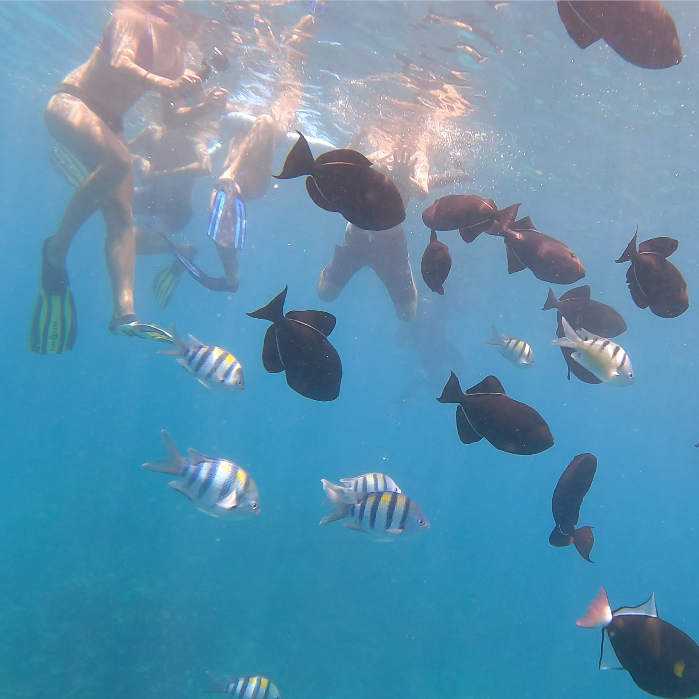
  • Half-day mixed wildlife trip (dolphins and reef snorkeling)
Longer or technical

Advanced

Designed for experienced ocean-goers: longer offshore excursions, occasional freediving, or multi-activity days that demand endurance and strong open-water skills.

  • Full-day offshore wildlife expedition
  • Freediving-focused trip with professional supervision
  • Multi-site marine ecology tour combining deep-water observation and reef surveys

Prepare for sun, spray, and swell

What to Bring

Essential

Core kit

  • Reef-safe sunscreen (non-nano, biodegradable)
  • Light wetsuit or rash guard for sun and brief swims
  • Waterproof dry bag for phone, wallet, and layers
  • Reusable water bottle and high-energy snacks
  • Seasickness medication if you’re prone (take before boarding)
Recommended

Useful extras

  • Mask, snorkel, and fins (many outings allow BYO gear)
  • Polarized sunglasses and wide-brim hat for transit
  • Small waterproof camera or action cam with floating strap
  • Light windbreaker—trade winds can be brisk on the return trip
Optional

Trip-specific

  • Binoculars for distant pod spotting
  • Waterproof field notebook for notes and observations
  • Compact first-aid kit with blister care and motion-sickness relief
Respectful distance, patient observation, and choosing operators committed to animal welfare are the single best ways to preserve future encounters.

Insider Tips & Local Knowledge

Reserve whale-watching and popular sunset cruises well ahead during December–April.
Choose morning snorkeling departures for calmer seas and better underwater visibility.
For motion sensitivity, choose a larger vessel, sit mid-ship, and take preventative medication before boarding.
Do not touch coral or wildlife, avoid standing on reefs, and use reef-safe sunscreen.
Community-based operators may add context about traditional navigation and stewardship.
Arrive early for parking and check-in because Waikiki departure areas can be busy.

Planning questions

Frequently Asked Questions

Most recreational dolphin-watching trips operate under the boat operator’s general marine use permissions; individual travelers do not need a special permit. However, commercial operators should follow federal and state wildlife interaction rules. If you’re chartering a private vessel, confirm the operator’s compliance with local regulations and best practices.
Dolphin Encounters in Pāhala, Hawaii
Ready for your dolphin adventure?

Browse 12 verified trips in Pāhala.

Compare current availability and book with instant confirmation.

Explore Pāhala dolphin