Top 3 Lodging Options in Pāhala, Hawaii
Pāhala Lodging Guide

Top 3 Lodging Options in Pāhala, Hawaii

Pāhala is a small, windswept town at the southern edge of Hawaiʻi Island where plantation-era character, coffee farms, and volcanic landscapes meet. Lodging here trades resort gloss for quiet, local hospitality: think plantation guesthouses, farmstays on working coffee lots, and simple off-grid cabins that put you close to the dark skies and wild coastline of Kaʻū. This guide focuses on the lodging experience—what it feels like to sleep in this part of the island, the practical realities of rural stays, and how to pair an overnight here with trails, beach scouting, and volcano visits.

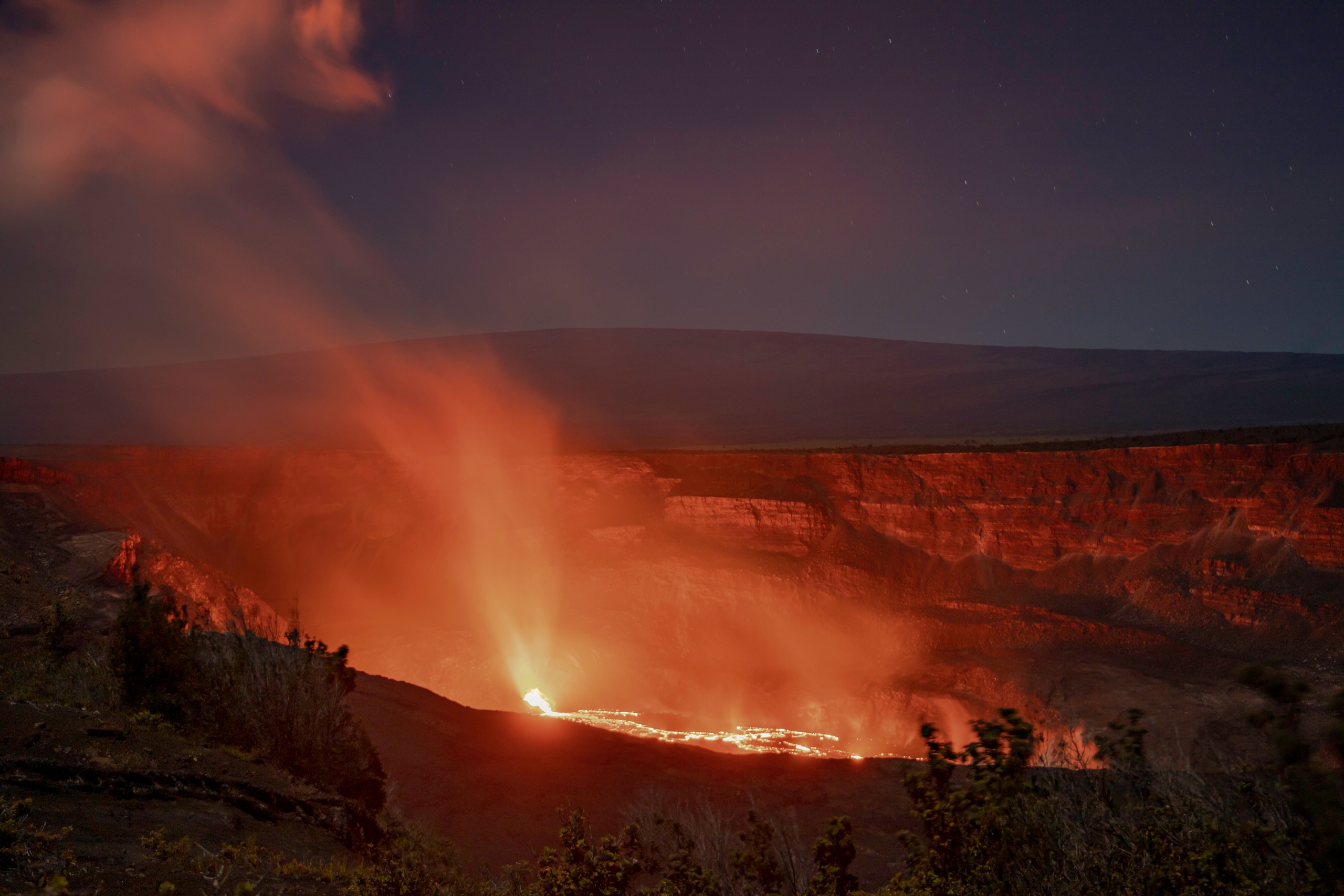
Kaʻū DistrictHawaiʻi Island (Big Island)Hawaii Volcanoes National Park

Live destination inventory

Top Lodging Trips in Pāhala

3 trips · Book with confidence · Instant confirmation

The prototype intentionally does not invent replacement trip cards or add images that are not already part of the live source page.

The city from the water

Why Pāhala Works for Travelers Seeking Quiet, Grounded Lodging

Pāhala’s lodging scene is less about check-in desks and mineral baths and more about place: the smell of coffee drying on racks, the steady whisper of trade winds through kiawe trees, and the patient geometry of old plantation houses. Staying here feels deliberately low-key—small operations, often family-run, that welcome visitors with practical comforts and an invitation to move at the island’s quieter pace. For travelers who prize proximity to landscape over luxury branding, Pāhala is a basecamp for slow exploration. It affords early-morning departures for coastal hikes, easy access to Kaʻū’s secret black-sand coves, and nights under a stellar dome free from the glare of larger towns. The terrain shapes everything about lodging in this corner of the island. You’ll find options tucked into gentle upland slopes, neighbor to coffee plots and pasture; others sit more exposed on the coastal edge, where the land meets the Pacific’s volcanic coastline. Properties often emphasize local materials and a connection to working land—stays on farms, renovated plantation homes that retain original timbers, and compact cabins built for simplicity. That means accommodations can vary dramatically: some offer full kitchens and long verandas for lingering, while others are intentionally minimal to encourage daytime adventuring. Don’t expect on-site concierge services or 24/7 front desks. What you will find is authenticity, the chance for conversation with owners who know the land, and accommodations that make it easy to step outside and be in the environment almost immediately. Because options are limited and dispersed, planning matters. A few very practical realities recur: cell coverage can be patchy, grocery options are modest, and arrival after dark is less convenient than in built-up resort areas. But these trade-offs are part of the appeal. The reward is staying where the island’s stories feel closest—coffee harvest rhythms, the slow weathering of lava flows into green soil, and long nights for stargazing. For outdoor-minded visitors, lodging in Pāhala is often a waypoint between a day on trail in a nearby national park and a quiet evening listening to seabirds and wind. It’s not for every traveler, but for people who want their stay to feel like a direct portal to place, it’s hard to beat.

Small, locally run properties are the norm: expect personalized hospitality, variable on-site amenities, and frequent opportunities to learn about coffee, history, or local land stewardship from hosts.

Proximity to outdoor experiences is the appeal: sunrise trailheads, coastal drives, and volcano vistas are all within easy reach from Pāhala lodgings, making early starts and late returns part of the rhythm.

The harbor is the gateway, and the Pacific becomes the classroom.

Because services are limited, guests should plan logistics ahead—groceries, fuel, and any special gear are best acquired before arrival or in the nearest larger town.

Activity focus

Choose by purpose

Whale watching, snorkeling, sunset sailing, cultural canoeing, harbor sightseeing, or private chartering.

Departure hubs

Start near the city

Waikiki and Honolulu Harbor are primary hubs, with some trips launching near Hanauma Bay.

Accessibility

Confirm the vessel

Gangways, shaded seating, and boarding requirements vary according to vessel size and operator.
Seasonal planning

Best Time to Visit

Pāhala is warm year-round, but wind, swell, migration, visibility, and demand change the best match between traveler and trip.

Pāhala boat tour
Year-round destination

Seasonal highlights change the reason to go

Winter favors humpback encounters; warmer, calmer months favor snorkeling visibility and smoother water.

Humpback season

Holiday periods and summer months see the highest demand for nearby lodging.

Prime whale watching, winter holidays, higher demand, and earlier sell-outs.

Snorkeling window

April–May–June–July–August–September–October

Typically gentler seas and clearer water for snorkeling trips.

Weather notes

Trade winds year-round

Pāhala experiences a mix of coastal humidity and cool upland breezes. Trade-wind weather brings regular, short showers; drier stretches typically occur in late spring through early fall. Even in warm months, nights can feel cool inland—bring layers. Storms from winter swells can buff the coast occasionally.

Quieter opportunities

Late spring & summer weekdays

Shoulder seasons and weekdays offer quieter stays and easier booking. This is a good time for stargazing and uncrowded trails, though occasional wet weather can make some coastal access points slick.

Match the trip to your comfort

Choose Your Experience Level

Low effort

Beginner

Simple, comfortable stays with basic amenities—suitable for travelers who want an easy, low-friction overnight while exploring local sights.

  • Short coastal walks and beach visits
  • Local coffee-tasting and farm tours
  • Casual village strolls and sundown on a porch
Active day trip

Intermediate

Self-catering cottages and upgraded farmstays with more space and conveniences—good for travelers staying several nights and planning day trips.

  • Day trips to nearby national park trails
  • Guided or self-guided drives to black-sand beaches
  • Early-morning sunrise hikes followed by coffee farm visits
Longer or technical

Advanced

Off-grid cabins and remote homestays for travelers comfortable with minimal services—ideal for extended solitude, photography, and dark-sky nights.

  • Multi-day coastal reconnaissance and photography
  • Nighttime stargazing and astrophotography
  • Backcountry-style day hikes with self-supported gear

Prepare for sun, spray, and swell

What to Bring

Essential

Core kit

  • Photo ID and booking confirmation
  • Cash for small local purchases (some remote vendors prefer it)
  • Layers—coastal evenings can be cool and upland mornings chilly
  • Reusable water bottle and basic groceries if you prefer self-catering
  • Headlamp or flashlight for walking to remote cabins after dark
Recommended

Useful extras

  • Portable power bank and charging cables (power may be limited)
  • Insect repellent and reef-friendly sunscreen
  • Lightweight rain jacket—brief showers are common any time of year
  • Compact first-aid kit and medications (stores are limited locally)
Optional

Trip-specific

  • Binoculars for seabird and coastline viewing
  • Laundry supplies if staying multiple nights
  • Travel coffee kit if you want to replicate farm-to-cup mornings
Confirm arrival instructions, access roads, and check-in times with hosts—many properties have limited staff and specific arrival windows.

Insider Tips & Local Knowledge

Reserve whale-watching and popular sunset cruises well ahead during December–April.
Choose morning snorkeling departures for calmer seas and better underwater visibility.
For motion sensitivity, choose a larger vessel, sit mid-ship, and take preventative medication before boarding.
Do not touch coral or wildlife, avoid standing on reefs, and use reef-safe sunscreen.
Community-based operators may add context about traditional navigation and stewardship.
Arrive early for parking and check-in because Waikiki departure areas can be busy.

Planning questions

Frequently Asked Questions

Yes. Because Pāhala has a small number of properties, popular dates—holidays and local festival weekends—can sell out. Book as soon as your travel dates are firm.
Top 3 Lodging Options in Pāhala, Hawaii
Ready for your lodging adventure?

Browse 3 verified trips in Pāhala.

Compare current availability and book with instant confirmation.

Explore Pāhala lodging