Top 4 Sailing Adventures in Pāhala, Hawaii
Pāhala Sailing Guide

Top 4 Sailing Adventures in Pāhala, Hawaii

Sailing from the Kaʻū region around Pāhala is less about luxury marinas and more about discovering a raw stretch of Hawaiʻi Island coastline shaped by lava, wind, and deep ocean. From sheltered reef-lined bays to open-coast day sails that track migrating whales in winter, the experience blends natural theater with old-school seamanship. Access is deliberate—a drive from town to launch points followed by small-boat or charter departures—but for sailors who prize solitude, dramatic cliffs, and close encounters with marine wildlife, Kaʻū delivers something rare in Hawaiʻi: an intimate, elemental coastal cruise.

Kaʻū CoastKa Lae (South Point)Hawaiʻi IslandRemote Coastal Coves

Live destination inventory

Top Sailing Trips in Pāhala

4 trips · Book with confidence · Instant confirmation

The prototype intentionally does not invent replacement trip cards or add images that are not already part of the live source page.

The city from the water

Why Pāhala & the Kaʻū Coast Make a Unique Sailing Base

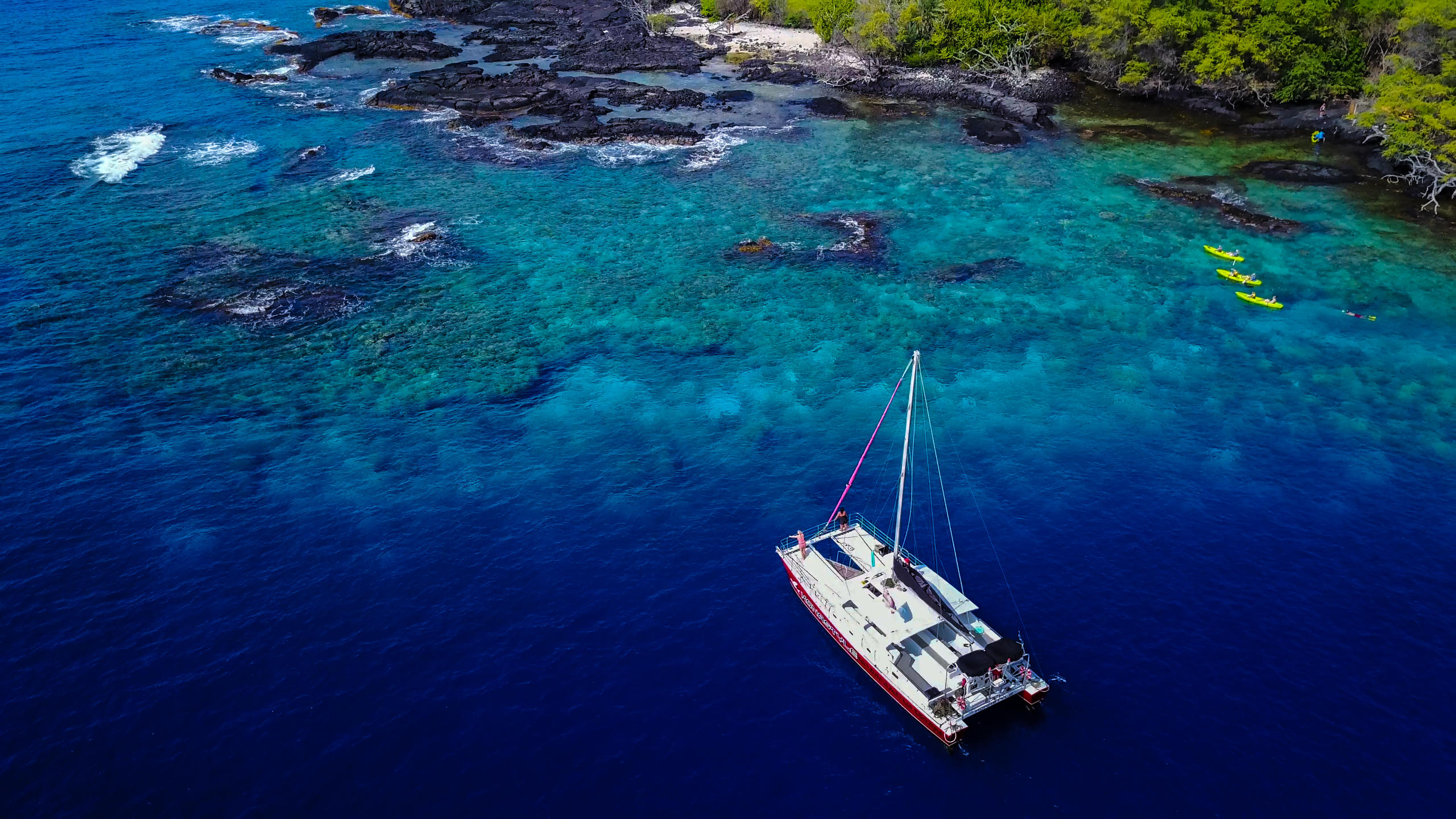
Pāhala sits inland from one of Hawaiʻi Island’s most uncompromising coastlines. That remoteness is precisely the lure for sailors: coastal stretches here were carved by lava flows and ocean force rather than tourist infrastructure, so each cove feels earned. When you set out from a local launch — often after a scenic drive through tropical pasture and ʻōhiʻa forest — the sea opens quickly into a palette of blues that deepen as you move offshore. Wind, swell, and current are the actors; seabirds and spinner dolphins are frequent supporting cast; humpback whales arrive as marquee performers each winter. Sailing around Kaʻū is as much about observation as it is about navigation. Lava cliffs and black-sand beaches read like pages of geological history: recent flows meet ancient shorelines, and the coast alternates between broad bays and narrow lava-scarred headlands. Because the region is relatively undeveloped, charters tend to be small and locally run—day sails, snorkeling stops at reef patches, and fishing outings rather than large commercial cruises. This scale keeps trips intimate, adaptable, and often led by captains who share local knowledge about currents, canoe landing sites, and cultural points of interest. From a seasonal perspective there are two distinct tones to Kaʻū sailing. The summer months (roughly May through October) bring steadier trade winds and calmer ocean conditions ideal for relaxed day sails, coastal exploration, and snorkeling. Winter introduces larger swells and frequent south/west swells, which can mean rougher passages but also the extraordinary spectacle of migrating humpback whales and dramatic surf along exposed points. Planning should revolve around both the desired on-water experience and an honest appraisal of sea conditions: sheltered reef anchors exist, but many of the most compelling stretches of coastline require offshore runs and a skipper who knows local lee points. Culturally and ecologically, sailing here can be a quiet education. Old fishing villages, traditional fishpond sites, and shoreline wahi kapu (sacred places) punctuate the coast—visitors are asked to approach with respect and a leave-no-trace ethos. Marine life is abundant: spinner dolphins often bow-ride, tropical reef fish swarm near snorkel stops, and seabirds patrol the updrafts above reefs. For sailors who appreciate both active seamanship and moments of slow wonder—anchored in a blue cove, snorkeling over a lava reef, watching blowholes pound from a safe distance—Pāhala’s coastal access points are a compelling gateway.

Small-group charters and private skiffs are the common way to sail from the Kaʻū area; expect flexible itineraries focused on snorkeling, wildlife viewing, or coastal cruising rather than fixed large-boat schedules.

The coastline’s volcanic origin creates diverse marine habitats—protected reef flats for snorkel stops and deeper offshore waters that support pelagic species and seasonal whale migrations.

The harbor is the gateway, and the Pacific becomes the classroom.

Accessibility is a planning factor: Pāhala is inland, so launching typically requires a drive to coastal ramps or private charters working from small harbors; plan for transit times and limited on-water services.

Weather patterns are predictable enough to plan around: calmer trade-wind months suit relaxed sails; winter offers dramatic scenery and whale watching but demands respect for swell and swell-driven currents.

Activity focus

Choose by purpose

Whale watching, snorkeling, sunset sailing, cultural canoeing, harbor sightseeing, or private chartering.

Departure hubs

Start near the city

Waikiki and Honolulu Harbor are primary hubs, with some trips launching near Hanauma Bay.

Accessibility

Confirm the vessel

Gangways, shaded seating, and boarding requirements vary according to vessel size and operator.
Seasonal planning

Best Time to Visit

Pāhala is warm year-round, but wind, swell, migration, visibility, and demand change the best match between traveler and trip.

Pāhala boat tour
Year-round destination

Seasonal highlights change the reason to go

Winter favors humpback encounters; warmer, calmer months favor snorkeling visibility and smoother water.

Humpback season

Winter months for whale watching (Dec–Mar) are popular—expect higher demand for wildlife-focused charters.

Prime whale watching, winter holidays, higher demand, and earlier sell-outs.

Snorkeling window

May–June–July–August–September–October

Typically gentler seas and clearer water for snorkeling trips.

Weather notes

Trade winds year-round

Trade-wind season (May–Oct) often provides steadier winds and calmer seas for comfortable day sails; winter months (Nov–Apr) bring bigger swell and the humpback whale season, which is spectacular but can create choppier conditions. Always check local marine forecasts for wind, swell, and small craft advisories.

Quieter opportunities

Late spring & summer weekdays

Shoulder months and weekday mornings in trade season can offer calmer seas and fewer visitors; winter offers prime whale-viewing but may require more experienced operators and flexible plans.

Match the trip to your comfort

Choose Your Experience Level

Low effort

Beginner

Sheltered bay sails and short coastal cruises with minimal offshore time—good for first-time sailors, families, and casual snorkelers.

  • Half-day catamaran or motor-sail to a protected reef for snorkeling
  • Short wildlife-viewing sail in calm trade winds
  • Guided coastal exploration with beach drop-offs
Active day trip

Intermediate

Longer coastal runs, mixed wind-and-motor trips, and multi-stop itineraries that explore more remote coves and snorkeling sites.

  • Full-day sail along the Kaʻū coastline with multiple snorkel stops
  • Combo fishing-and-snorkel charter
  • Sailing trips timed for sunset or offshore wildlife viewing
Longer or technical

Advanced

Offshore legs, open-coast passages, sportfishing, or delivery-style trips that demand stronger seamanship and tolerance for variable sea states.

  • Offshore blue-water fishing trips
  • Long coastal passages requiring swell management
  • Multi-day or overnight passages staged from south or west harbors

Prepare for sun, spray, and swell

What to Bring

Essential

Core kit

  • Light waterproof jacket and wind layer
  • Personal flotation device (if you have one) or confirm PFD availability with operator
  • Reef-safe sunscreen and sun protection (hat, sunglasses)
  • Motion-sickness medication, if susceptible
  • Towel, swimsuit, and quick-dry clothing
Recommended

Useful extras

  • Snorkel mask and fins (many charters provide gear, but preferred fit is best)
  • Waterproof dry bag for phone and layers
  • Reusable water bottle and reef-safe snacks
  • Light camera or action camera with float
  • Portable power bank
Optional

Trip-specific

  • Light windproof layer for open-ocean sections
  • Binoculars for whale and bird watching
  • Polarized sunglasses for improved visibility in the water
Weather can shift quickly; local captains are invaluable—listen to their advice about currents, reef entry, and landing etiquette.

Insider Tips & Local Knowledge

Reserve whale-watching and popular sunset cruises well ahead during December–April.
Choose morning snorkeling departures for calmer seas and better underwater visibility.
For motion sensitivity, choose a larger vessel, sit mid-ship, and take preventative medication before boarding.
Do not touch coral or wildlife, avoid standing on reefs, and use reef-safe sunscreen.
Community-based operators may add context about traditional navigation and stewardship.
Arrive early for parking and check-in because Waikiki departure areas can be busy.

Planning questions

Frequently Asked Questions

Most day-anchor and snorkeling stops aboard commercial charters are covered by the operator’s permissions; individual anchoring or landing on certain culturally sensitive shoreline areas may be regulated. Ask your charter about protected areas and local rules before planning independent landings.
Top 4 Sailing Adventures in Pāhala, Hawaii
Ready for your sailing adventure?

Browse 4 verified trips in Pāhala.

Compare current availability and book with instant confirmation.

Explore Pāhala sailing