Why Palm Beach Gardens Works for Anglers
Palm Beach Gardens is a study in contrasts: secluded mangrove fringes and tidal creeks tuck into urban seams, and in less than an hour a short run east brings you to the warm blue of the Gulf Stream. That geographic variety is the main reason anglers keep coming back. Within a few miles you can fish quiet backcountry flats in the shelter of mangroves, pick through seagrass edges for speckled trout and pompano, or push past the nearshore reef for snapper, grouper, and the seasonal influx of sailfish and mahi. For those chasing epic fights, nearby inlets — notably Jupiter Inlet to the north — provide a direct corridor to open water and fast access to offshore structure and current lines where billfish and pelagics patrol.
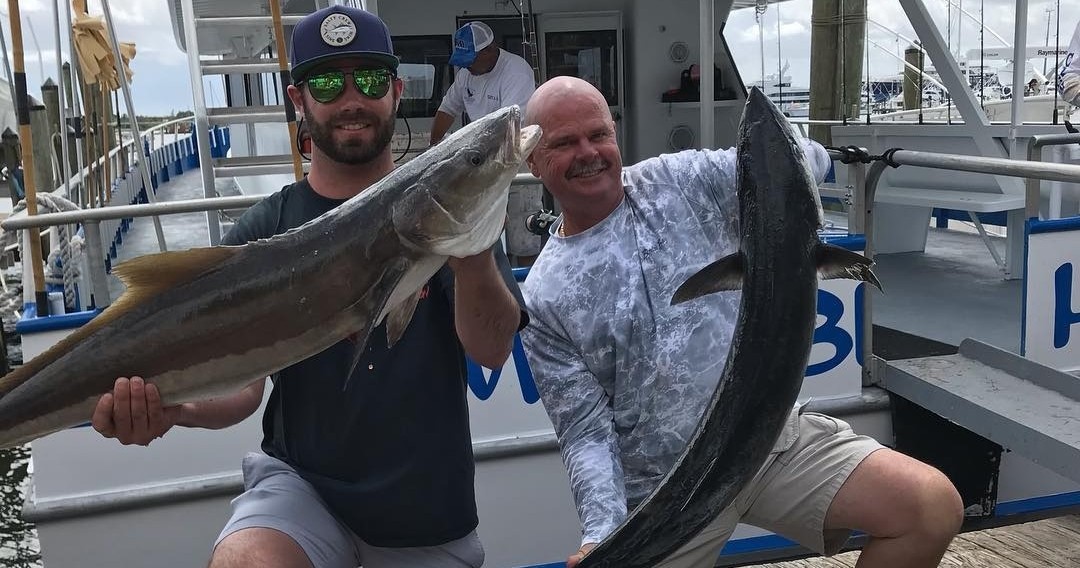
The fishing here is shaped by tidal rhythms and migratory pulses. Spring and early summer signal the tarpon migration, a magnet for sight-fishing and fly anglers who prize the rush of a silver king leaping in shallow water. Fall and winter rearrange the lineup: cooler surface water and changing bait patterns push species around reefs and wrecks, turning nearshore trips into productive hunts for kingfish, blackfin tuna, and king mackerel. Meanwhile, the estuaries and canals always have their own stories to tell—snook, redfish, and juvenile tarpon use mangrove canals and lagoon edges as nurseries, and an afternoon spent poling the flats can produce a string of sight-fishing moments.
Beyond the species list, Palm Beach Gardens is practical for all levels of angler. The area supports a full-service charter and guide scene, plus accessible public ramps for trailers and kayaks. Half-day inshore charters are perfect for families or anglers testing the water, while more committed anglers can book full-day offshore trips that leave early and return with blue horizon memories. Kayak and fly-fishing options are abundant; guided kayak trips let anglers sneak into skinny water inaccessible to larger boats, and the shallow, clear flats are ideal for learning sight-casting.
Conservation and local stewardship thread through the experience. Seagrass beds and mangrove buffers are critical habitat and vulnerable to boat traffic and storm impacts, so responsible anchoring, proper tackle selection, and adherence to seasonal closures matter. Many captains prioritize catch-and-release for key species and will brief you on handling best practices. Onshore, Palm Beach Gardens pairs the fishing with sensible conveniences — seafood restaurants, tackle shops, and marina facilities are a short drive from most launch points, making it easy to plan an outing or to recover after an extended day on the water.
Finally, the setting lends itself to multi-activity trips: combine a morning on the flats with an afternoon paddle through lagoon estuaries, or tie a charter into a coastal birding walk and sunset dinner by the water. Whether you come for a single afternoon or build a trip around seasonal targets like tarpon or sailfish, Palm Beach Gardens offers both the intimacy of estuary fishing and the access needed for serious offshore campaigns. The result is a coastal fishing destination that feels approachable to newcomers and deeply satisfying for seasoned anglers who understand tides, rigs, and the fine balance between pursuit and protection.
The region’s accessibility is a major draw: short drive times from central Palm Beach County, reliable marina infrastructure, and a guide community that covers inshore flats, estuary poling, and offshore sportfishing make trip planning straightforward. Expect shorter runs to productive water than many Atlantic coast ports farther north.
Local ecology dictates technique. Mangrove-lined canals require stealth and light tackle; open flats reward polarized lenses and shallow-draft skiffs; offshore structure and current breaks favor heavier gear, live bait, and captains with up-to-date sonar and GPS. Understanding tides and bait migrations transforms a good day into a great one.
Choose by purpose
Whale watching, snorkeling, sunset sailing, cultural canoeing, harbor sightseeing, or private chartering.
Start near the city
Waikiki and Honolulu Harbor are primary hubs, with some trips launching near Hanauma Bay.
Confirm the vessel
Gangways, shaded seating, and boarding requirements vary according to vessel size and operator.