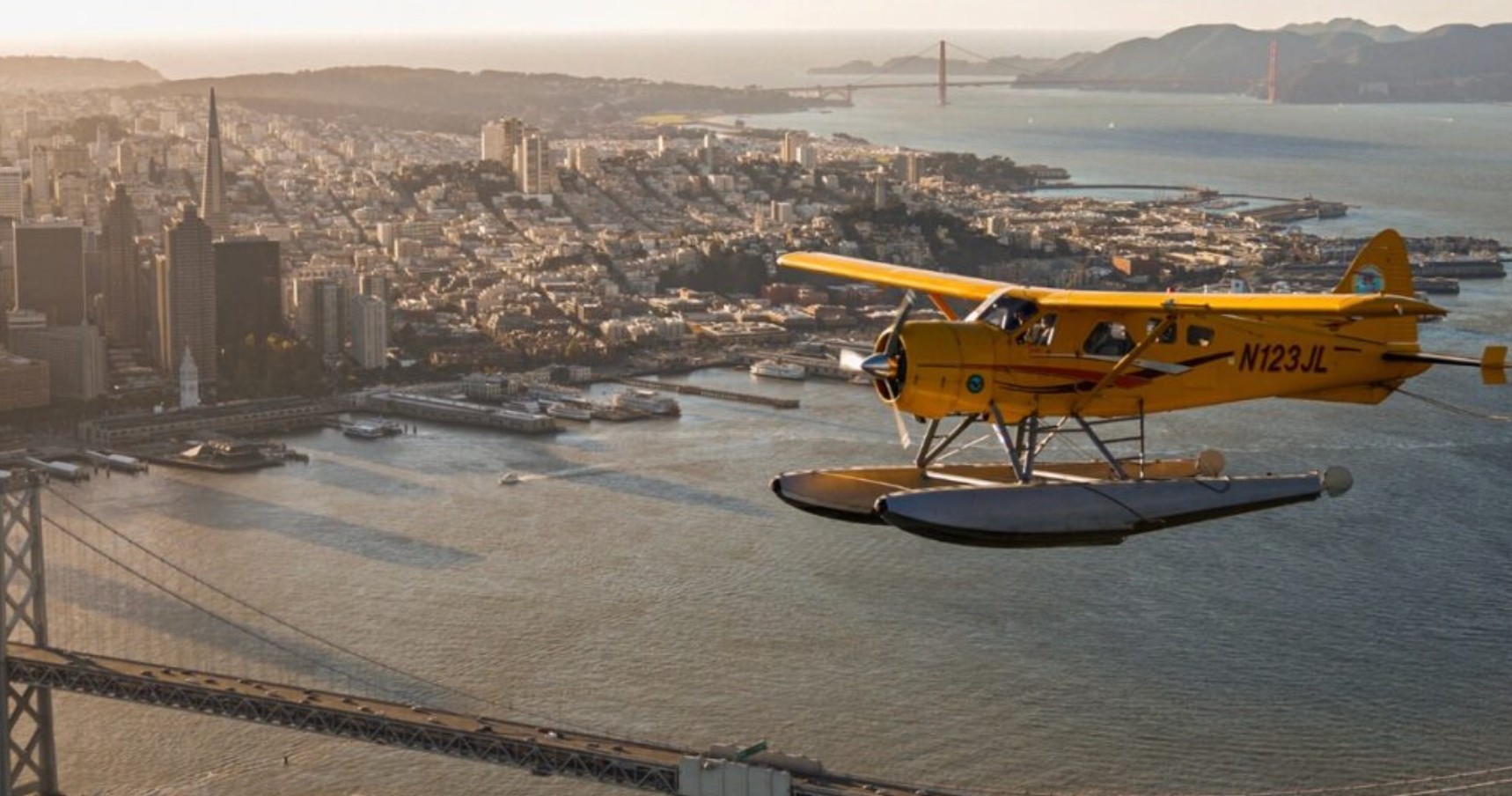
Why Airplane Adventures Around Palo Alto Are Special
There’s an intimacy to flying out of small fields that a big international terminal will never capture: a pilot’s handshake at the hangar, the metallic click of a headset being adjusted, the sudden uncomplicated thrill when a little Cessna floats above the first line of sugar-sand shoreline. In Palo Alto’s case the intimacy is framed by a landscape of contrasts—the urban grid of Silicon Valley, the glassy sweep of the San Francisco Bay, and the rugged, forested spine of the Santa Cruz Mountains. Flights here are short enough that you can see it all in an hour-long loop, yet varied enough that each sortie feels distinct. A morning flight can take you over oyster beds and salt marshes, while an evening hop sends you over cityscapes folding into light.
Aviation in this pocket of Northern California is threaded with history: Moffett Field’s immense hangars and the imprint of early airship experimentation sit alongside modern research facilities. That history creates a living context for airplane adventures—museum exhibits, runway-side benches where pilots compare weather notes, and community airshows where veteran pilots talk about tailwheel techniques and crosswinds. Practically, that history has also preserved a cluster of small airports and flight schools within easy reach of Palo Alto, so whether you want a gentle sightseeing flight, an aerobatic thrill, or the first lesson toward a pilot certificate, options exist within striking distance.
Weather and geography shape the experience in ways that reward planning. Coastal fog rolls in predictably in summer mornings and can tuck the bay under a gray blanket; mornings often offer the calmest air and the clearest visibility for scenic flights. Afternoon sea breezes and thermals off the hills can produce bumpier conditions but also dramatic light for photography. Flying over the Bay provides unique bird-and-marshland habitats to observe, while a flight inland toward the Santa Cruz ridge lines reveals the patchwork of vineyards, orchards, and redwood canopy. For travelers, airplane adventures here are both accessible and layered: you can pair a short aerial tour with a museum visit or a shoreline bike ride, or you can book a longer discovery lesson that converts a tourist’s curiosity into a pilot’s habit.
What ties the scene together is practicality: these are not remote backcountry flights that require mountaineering skills, they’re short, highly serviceable aviation experiences that reward basic attention to weather, timing, and operator selection. With a little preparation—booking morning slots, confirming cancellations due to fog, and packing appropriately—you’ll get an experience that is equal parts cinematic and utterly do-able. For travelers who want the extra dimension, consider combining flights with ground experiences: walking beneath the hangars at nearby aviation museums, tracing the shoreline at Crystal Springs or Shoreline Park, or driving up into the Santa Cruz Mountains for a landing that feels like the start of a larger, layered adventure.
Short scenic circuits over the Bay make airplane experiences here highly accessible—many operators run 20–60 minute flights that give sweeping coastal and city views without the logistics of long-haul travel.
The local aviation ecosystem supports a spectrum of experiences: discovery flights for first-timers, specialized lessons (tailwheel, night, or aerobatics) for more adventurous flyers, and nearby museums and research centers that add historical and technological context to the flight.
Choose by purpose
Whale watching, snorkeling, sunset sailing, cultural canoeing, harbor sightseeing, or private chartering.
Start near the city
Waikiki and Honolulu Harbor are primary hubs, with some trips launching near Hanauma Bay.
Confirm the vessel
Gangways, shaded seating, and boarding requirements vary according to vessel size and operator.