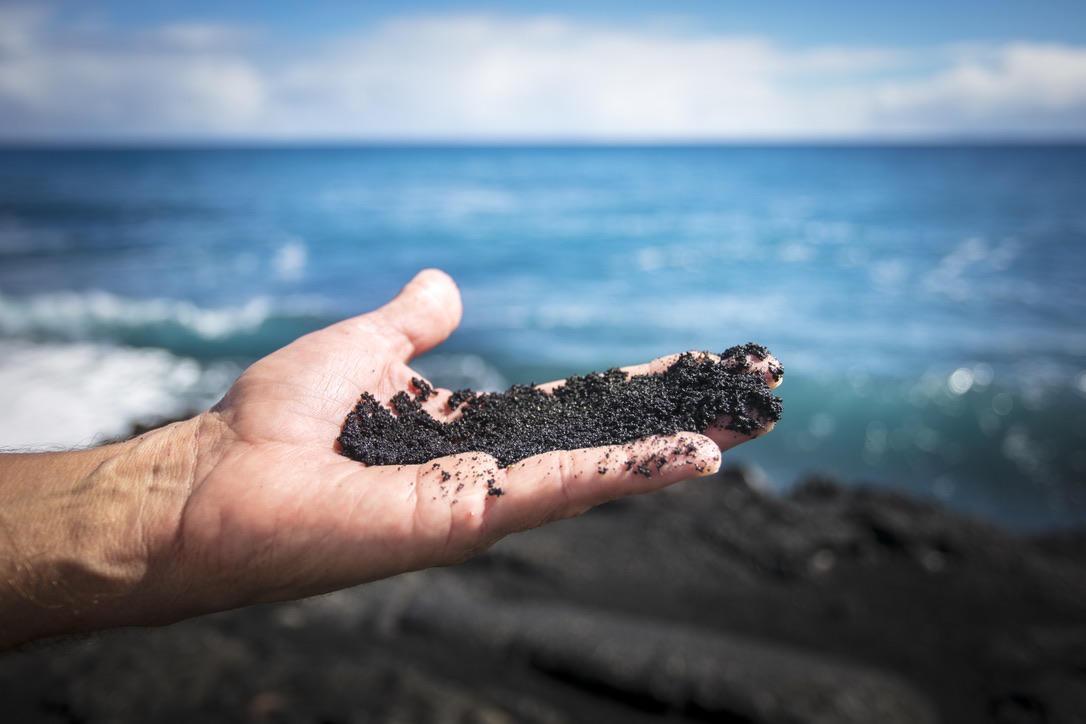
Pepeekeo sits where the island’s eastern exposure meets a rapid rise from sea level into verdant uplands, and that topographical marriage is what makes hiking here so distinct. Trails are rarely long but they are often immersive: a short walk can move from a warmed coastal breeze to a rainforest’s cool shade, from basalt rubble underfoot to a misted overlook where surf pounds the cliffs below. The geology—young volcanic slopes carved by persistent tropical rainfall—creates narrow valleys dotted with streams and waterfalls, and those features concentrate the drama of the landscape into accessible, memorable loops. Hikers in Pepeekeo will encounter the tactile textures of the island: volcanic rock reclaimed by lichen and fern, red earth that stains the soles of your boots, and roots that braid across muddy sections like natural staircases.
Beyond the physical terrain, Pepeekeo’s trails are threaded with cultural and ecological context. These are lands shaped by traditional Hawaiian land divisions (ahupuaʻa) that ran from mountain to sea, and many modern paths follow same corridors that once connected cultivators, fishers, and gathering places. Respect for private property and for wahi kūpuna (sacred sites) is a small but important part of planning hikes here—stay on marked paths, follow signage, and carry out what you carry in. Ecologically, the area is a mosaic of native forest pockets, introduced species, and managed gardens; the nearby Hawaii Tropical Botanical Garden is a living classroom for the plants you’ll see on forest trails, while upper ridgelines and gulch mouths host endemic birds and a chorus of insect life.
Weather and seasonality shape the Pepeekeo hiking experience in practical ways. The Hilo side of the island is famously wetter than the leeward coast; showers are frequent, especially during winter and from late fall into early spring, and trails can pivot from dry to slick in the span of an hour. That variability is part of the appeal—the rainforest is lush because of it—but it makes footwear, traction, and an expectation of mud essential. For photographers and waterfall hunters, that wetness is a boon: streamflows swell after rain, making cascades more dramatic. For those chasing solitude, weekdays and shoulder seasons reward hikers with quieter paths, while holidays and good-weather weekends pull day-trippers from nearby Hilo.
What Pepeekeo offers that few larger destinations can is immediacy. You can step out of a rental car and be under a canopy within minutes; you can trade coastal views for jungle close-ups in a single hour. This compactness means planning is simple—pair a morning hike with a botanical garden visit or a shoreline picnic—and adaptability is valued. Hikers who come prepared for moisture, sticky heat, and steep but short ascents will find the rewards abundant: narrow gulch waterfalls, open coastal lookout points, and the sense of walking through a place where nature and culture have long intertwined.
Pepeekeo’s trails are short on mileage but high on variety: expect coastal sea‑cliffs, shaded gulch walks, waterfall view points, and botanical loops all within a short drive of one another.
Frequent rain keeps streams lively and trails lush; that means more waterfalls and greener scenery, but also unpredictable footing—mud, roots, and slick rock are common.
The harbor is the gateway, and the Pacific becomes the classroom.
The area pairs well with related activities: botanical garden visits, birdwatching, easy coastal photography, and short scenic drives along the Hāmākua Coast.
Choose by purpose
Whale watching, snorkeling, sunset sailing, cultural canoeing, harbor sightseeing, or private chartering.
Start near the city
Waikiki and Honolulu Harbor are primary hubs, with some trips launching near Hanauma Bay.
Confirm the vessel
Gangways, shaded seating, and boarding requirements vary according to vessel size and operator.