Top 8 Zipline Adventures in Pepeekeo, Hawaii
Pepeekeo Zipline Guide

Top 8 Zipline Adventures in Pepeekeo, Hawaii

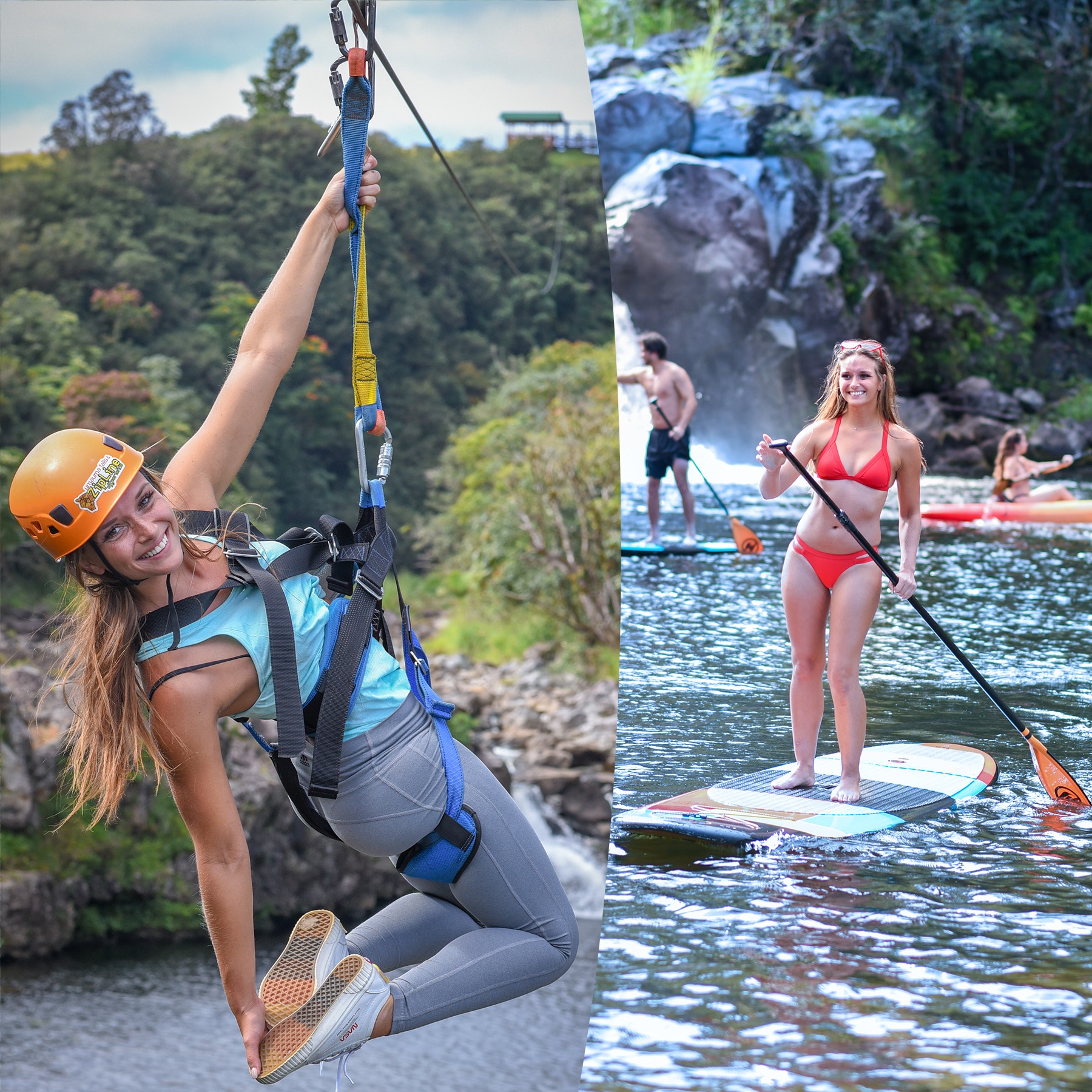
Pepeekeo's ziplines thread through the lush fringe of Hilo's windward coast—where steep, waterfall-carved gulches meet the Pacific. Expect runs that skim over verdant valleys, cross ravines choked with fern and ʻōhiʻa, and open onto broad ocean views. This guide focuses on the zipline experience here: the terrain, seasonal weather to watch for, practical packing and accessibility considerations, and how to pair a canopy session with nearby hikes, coastal drives, and waterfall viewpoints.

Hilo CoastlineTropical Rainforest CanopyWaterfall ValleysEast Hawaiʻi Sea Cliffs

Live destination inventory

Top Zipline Trips in Pepeekeo

8 trips · Book with confidence · Instant confirmation

The prototype intentionally does not invent replacement trip cards or add images that are not already part of the live source page.

The city from the water

Why Pepeekeo Is a Standout Zipline Destination

Pepeekeo sits along the windward edge of Hawaiʻi Island where the trade-wind-fed rainforest drops quickly into the Pacific. Ziplines here capitalize on that dramatic topography: short drives from Hilo lead to thighs-of-a-valley ridgelines and narrow gulches threaded with waterfalls, and operators use the natural relief to create runs that combine speed with panoramas. The sensation is less about alpine exposure and more about immersion—swooping between canopy layers, crossing over stream-fed ravines, and feeling the spray and scent of wet forest on your face. What distinguishes Pepeekeo ziplines from cookie-cutter canopy tours is the context. You're not solely suspended above uniform treetops; the lines often traverse mixed native and planted forests, pass cliffs where seabirds wheel, and terminate at viewpoints where a sudden opening reveals the ocean or a ribbon of falls. On calmer days the light through the leaves is green and glassy; after trade-wind squalls, the valleys lock into a saturated emerald, and watercourses that feed the falls thunder below. That variability makes each run feel quietly unpredictable in the best way, while operators manage the technical safety to keep it accessible for most travelers. Beyond the adrenaline, a zipline day in Pepeekeo pairs naturally with other east-side experiences: short waterfall hikes for cool-downs, botanical gardens that showcase the island's layered plant introductions, and coastal drives that stitch together black-sand coves and tide pools. Many visitors design a half-day experience—morning canopy tour, lunch at a roadside café, and an afternoon walk to a lookout—so the zipline becomes the fulcrum of a relaxed, landscape-driven itinerary. From a planning perspective, the region's weather and access shape the practical side of the trip. Ziplines operate year-round but are deeply weather-dependent; equipment is rated for wet conditions, but heavy winds or lightning will shut lines down. Accessibility varies by operator—some courses are family-friendly with short hikes between platforms, others require steeper approach trails and stronger mobility. Expect clear guidance from staff on weight ranges, clothing, and safety protocols. For photographers and wild-country lovers, note that while many tours allow chest- or helmet-mounted cameras, freehand photography while clipped into a harness is typically restricted. In short: Pepeekeo ziplines trade sheer verticality for layered, coastal-rainforest intimacy. They're an ideal choice if you want a high-adrenaline perspective on Hawaiʻi's eastern wildlands that slots easily into a day of waterfalls, coastal vistas, and slow local culture.

The terrain: steep, water-cut gulches, mixed native canopy and cultivated vegetation, sea-facing ridgelines that create dramatic viewpoint endpoints.

Seasonal rhythm: tradewind showers are common—short, intense rain can close a line for an hour but often clears quickly; hurricane and storm threats are rare but impactful when they occur.

The harbor is the gateway, and the Pacific becomes the classroom.

Accessibility: courses range from family-oriented, minimal-hike options to multi-line adventures needing moderate walking and some stairs—check operator accessibility notes before booking.

Activity focus

Choose by purpose

Whale watching, snorkeling, sunset sailing, cultural canoeing, harbor sightseeing, or private chartering.

Departure hubs

Start near the city

Waikiki and Honolulu Harbor are primary hubs, with some trips launching near Hanauma Bay.

Accessibility

Confirm the vessel

Gangways, shaded seating, and boarding requirements vary according to vessel size and operator.
Seasonal planning

Best Time to Visit

Pepeekeo is warm year-round, but wind, swell, migration, visibility, and demand change the best match between traveler and trip.

Pepeekeo boat tour
Year-round destination

Seasonal highlights change the reason to go

Winter favors humpback encounters; warmer, calmer months favor snorkeling visibility and smoother water.

Humpback season

Summer months and major holiday periods (June–August, late December–early January) are busiest for island tourism; expect fuller booking calendars.

Prime whale watching, winter holidays, higher demand, and earlier sell-outs.

Snorkeling window

April–May–June–July–August–September–October

Typically gentler seas and clearer water for snorkeling trips.

Weather notes

Trade winds year-round

Pepeekeo sees frequent short rain showers fed by trade winds; April–October tends to be drier but winds can increase. Tours run year-round but are paused for sustained heavy rain, high winds, or lightning. Mornings are often calmer—book earlier in the day if you want the most predictable weather.

Quieter opportunities

Late spring & summer weekdays

Weekdays outside major holidays offer quieter runs and flexible booking; the wetter months can yield dramatic waterfalls and fewer crowds but higher chance of weather interruptions.

Match the trip to your comfort

Choose Your Experience Level

Low effort

Beginner

Short, low-to-moderate lines designed for first-timers and families. Minimal hiking between platforms and a strong focus on guided experience.

  • Introductory canopy run with two to four short lines
  • Family-friendly zipline circuits with guided tandem options
Active day trip

Intermediate

Longer runs that cross deeper ravines and offer greater speed and exposure. Requires comfortable use of harnesses and stairs; good for travelers with moderate fitness.

  • Multi-line courses spanning ridgelines and waterfall valleys
  • Half-day canopy adventures combined with short waterfall walks
Longer or technical

Advanced

Multi-line adventures that emphasize longer spans, higher speeds, or technical approaches. May involve steeper trail access and less frequent landing platforms.

  • Extended canopy tours with long aerial transitions
  • Combination zipline-and-hike itineraries that explore remote gulches

Prepare for sun, spray, and swell

What to Bring

Essential

Core kit

  • Closed-toe shoes with grip (sneakers or light hiking shoes)
  • Light long-sleeve layer or jacket—mist and spray are common
  • Reusable water bottle
  • Sunglasses and reef-safe sunscreen
  • Identification and booking confirmation
Recommended

Useful extras

  • Secure daypack or dry bag for valuables
  • Hat with chin strap or secure fastening
  • Small towel or quick-dry cloth
  • Change of clothes if you expect to hike or get wet
Optional

Trip-specific

  • Helmet- or chest-mounted camera (check operator rules first)
  • Light gloves if you prefer extra grip (many operators provide gloves)
  • Small insect repellent
  • Motion-sickness remedy if you’re sensitive to heights or speed
Confirm weight and age limits, cancellation policies, and camera rules with your operator before arrival.

Insider Tips & Local Knowledge

Reserve whale-watching and popular sunset cruises well ahead during December–April.
Choose morning snorkeling departures for calmer seas and better underwater visibility.
For motion sensitivity, choose a larger vessel, sit mid-ship, and take preventative medication before boarding.
Do not touch coral or wildlife, avoid standing on reefs, and use reef-safe sunscreen.
Community-based operators may add context about traditional navigation and stewardship.
Arrive early for parking and check-in because Waikiki departure areas can be busy.

Planning questions

Frequently Asked Questions

Licensed operators use steel cables, certified harnesses, and industry-standard redundancy systems. Safety briefings and trained guides are standard. Check an operator’s maintenance and certification information if you need extra reassurance.
Top 8 Zipline Adventures in Pepeekeo, Hawaii
Ready for your zipline adventure?

Browse 8 verified trips in Pepeekeo.

Compare current availability and book with instant confirmation.

Explore Pepeekeo zipline