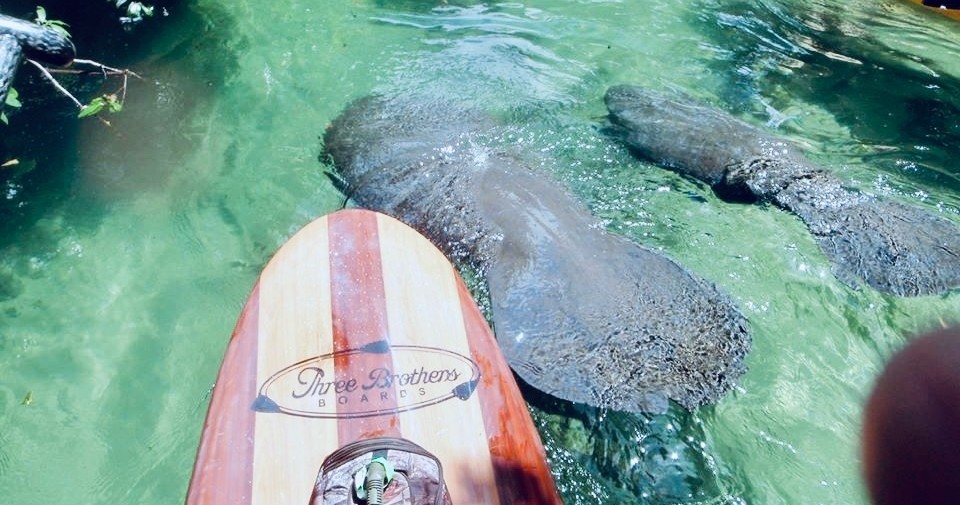
Pierson may not appear on glossy postcards as a marine hot spot, but its proximity to Florida’s network of slow-moving rivers, tidal creeks, and the Intracoastal corridor places it within easy reach of habitats that sustain healthy dolphin populations. The coastline and estuarine systems within a short drive from Pierson provide a patchwork of shallow bays, oyster bars, mangrove-fringed channels, and deep tidal runs—terrain that bottlenose dolphins favor for feeding, socializing, and raising calves. Those same features create calm, sheltered waters that are ideal for smaller craft, making the experience of spotting dolphins intimate and immersive rather than distant and rushed.
The appeal of dolphin watching here is twofold: ecological accessibility and behavioral variety. In estuaries you’re likely to see dolphins engaged in the full palette of natural behaviors—traveling in tight-knit groups, hunting along channel edges, porpoising across shallow flats, or lingering near sandbars when the tide turns. Because many dolphins in Florida are year-round residents rather than long-distance migrants, you can plan visits across seasons with reasonable expectation of sightings. Yet each season shifts the script: cooler months often bring clearer water and brisk mornings that reward patient observers, while spring and early summer amplify social displays as calves appear and groups rearrange.
For travelers, Pierson’s strength is practical: it’s a quieter base for day trips, offering short drives to multiple launch points and a variety of trip styles. You can pair a morning kayak push through a mangrove fringe with an afternoon small-boat eco-cruise, or spend a day photographing dolphin behavior from an unobtrusive shoreline vantage. Complementary activities—saltwater fly-fishing, birding across tidal marshes, or visiting nearby state parks—make the region a layered wildlife itinerary rather than a single attraction stop. Local guides and outfitters often emphasize low-impact approaches, and the experience rewards those who arrive curious and patient rather than loud and intrusive.
Finally, the emotional texture of Dolphin experiences around Pierson leans toward quiet wonder. Unlike open-ocean charters where dolphins may be distant streaks on the horizon, the estuarine settings allow for eye-level encounters that feel connective without being invasive. When planning, prioritize operators and routes that follow wildlife-friendly guidelines, arrive early to catch glassy water and active mornings, and build flexibility into your schedule—the best dolphin sightings are spontaneous, and often happen in the margin between planned activities.
The mosaic of shallow bays and creeks near Pierson concentrates baitfish and invertebrates, which in turn attracts dolphins. That trophic layering makes for reliable sighting opportunities across many trip types—stand-up paddle, guided kayak, and small-boat eco-cruises.
Responsible viewing is central: best practices include keeping speed and noise low, viewing from a distance, and avoiding direct approaches to calves or tightly grouped pods. Local guides will brief on regulations and etiquette before launch.
Choose by purpose
Whale watching, snorkeling, sunset sailing, cultural canoeing, harbor sightseeing, or private chartering.
Start near the city
Waikiki and Honolulu Harbor are primary hubs, with some trips launching near Hanauma Bay.
Confirm the vessel
Gangways, shaded seating, and boarding requirements vary according to vessel size and operator.