Top Fishing Adventures in Pierson, Florida
Pierson Fishing Guide

Top Fishing Adventures in Pierson, Florida

Pierson's quiet roads and patchwork of creeks, ponds, and agricultural drainage canals create a different kind of Florida fishing—one that favors patience, local knowledge, and a willingness to explore. This guide focuses on freshwater angling around Pierson: largemouth bass, crappie, bluegill, and channel catfish are the draws. Expect tight, nature-forward experiences—shoreline tactics, small-boat approaches, and early-morning stealth rather than tournament-style marinas.

Volusia CountyFreshwater Bass & PanfishRural AnglingSmall-boat & Bank Fishing

Live destination inventory

Top Fishing Trips in Pierson

12 trips · Book with confidence · Instant confirmation

The prototype intentionally does not invent replacement trip cards or add images that are not already part of the live source page.

The city from the water

Why Pierson Is a Standout Fishing Destination

Pierson sits off the beaten path in Volusia County, and that distance from the tourist lanes is precisely its advantage for anglers. Where the coast hums with boat traffic and saltwater guides, Pierson offers quiet freshwater stretches—ponds embedded in farmland, sinuous creeks draining low woods, and small community lakes where structure and shadow concentrate fish. The fishing here feels intimate; it is the kind of place where a single cast after dawn into an overhanging willow can produce a fish that teaches you something about local water and weather patterns. The valley-and-ditch pattern of this inland landscape creates micro-habitats: submerged grasslines, shallow flats, and pockets of deeper water around culverts and old river oxbows. In spring and early summer, bass move up into the shallows to feed and spawn; later in the year they shift toward deeper, cooler edges and seek lanes that hold baitfish and oxygenated flows. Crappie and bluegill thrive in the brush and around dock pilings, offering reliable action for family outings or anglers who prefer light tackle. Channel catfish patrol the deeper holes and feeding runs and respond well to cut bait, stinkbaits, and night-time tactics. What makes Pierson especially appealing to a broad range of anglers is accessibility paired with solitude. There are public access points and county roads that skirt ponds and creeks, and many of the best spots reward low-impact fishing—wading, bank fishing, or launching a compact jon boat or kayak. These conditions also invite a cross-pollination of outdoor activities: you can plan a dawn paddle that ends with midday angling, or combine birding and photography with a slow afternoon on a shoreline convinced by light and reflections. The seasonal rhythms are straightforward but important. Spring is for moving bass and hungry panfish; early summer can be hot but productive during morning and evening windows; fall cool-downs often produce aggressive topwater action, and mild winters keep the fishing steady for those willing to read water temperature and adjust presentation. Because Pierson is agricultural at its edges, anglers who pay attention to rainfall and runoff will be rewarded: post-rain clarity and nutrient flushes can concentrate baitfish and trigger feeding sprees. Finally, Pierson's charm is cultural as much as ecological. The area is anchored by small-town Florida life—packinghouses, farm roads, and folks who fish the same spots year after year. For visiting anglers, that means opportunities for practical local knowledge and a style of fishing that's low-key, skill-forward, and quietly rewarding. This guide emphasizes tactics, access, and seasonal strategy so you can spend more time fishing and less time guessing where the fish are hiding.

Pierson’s freshwater systems excel at tight-quarters fishing—casting to visible structure, edging pockets of vegetation, and reading subtle current lines rather than covering open water with long trolling runs.

Combine fishing with paddling, birding, or exploring rural roads—Pierson’s scenery and slow pace reward multi-activity days and family-friendly outings.

Activity focus

Choose by purpose

Whale watching, snorkeling, sunset sailing, cultural canoeing, harbor sightseeing, or private chartering.

Departure hubs

Start near the city

Waikiki and Honolulu Harbor are primary hubs, with some trips launching near Hanauma Bay.

Accessibility

Confirm the vessel

Gangways, shaded seating, and boarding requirements vary according to vessel size and operator.
Seasonal planning

Best Time to Visit

Pierson is warm year-round, but wind, swell, migration, visibility, and demand change the best match between traveler and trip.

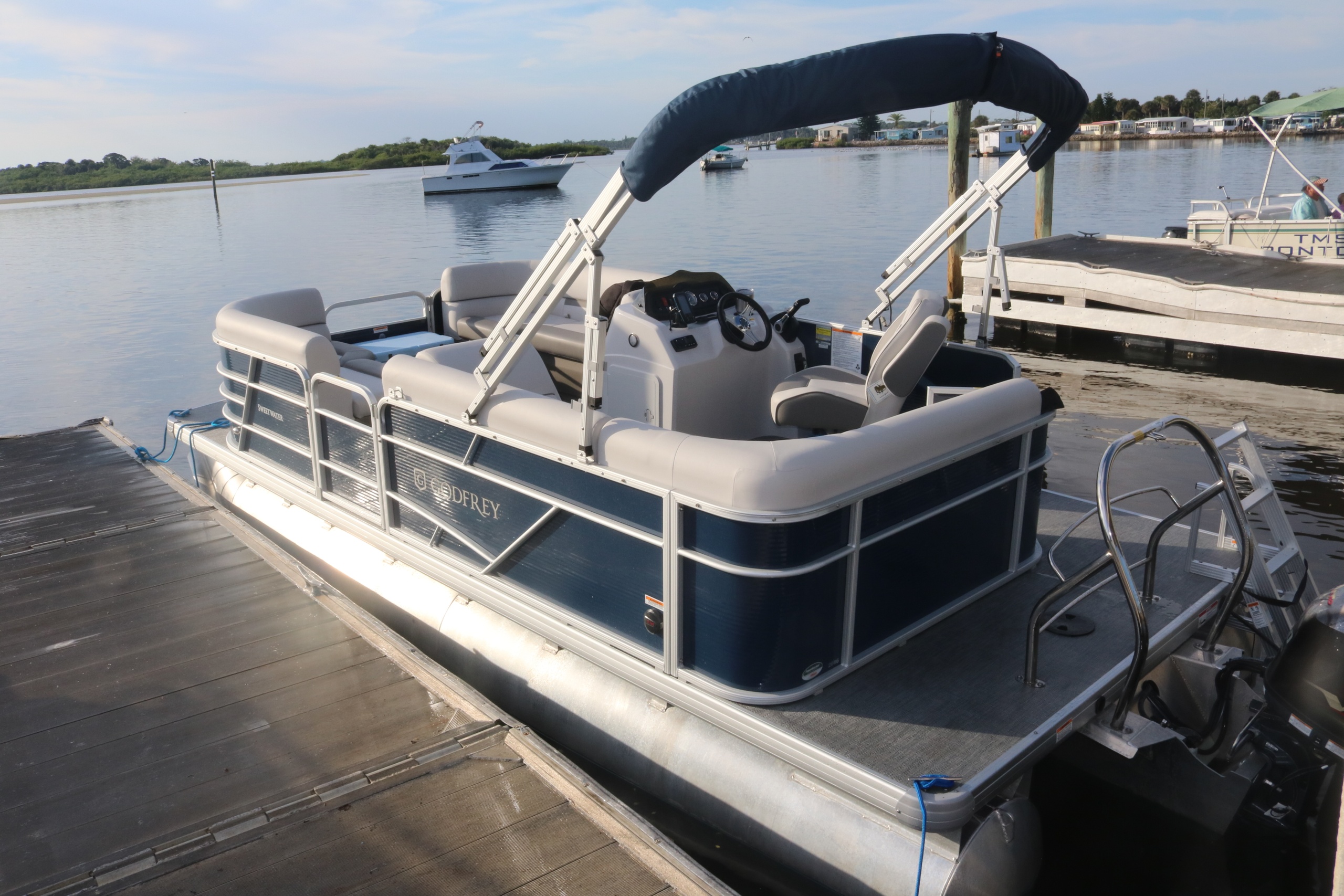
Pierson boat tour
Year-round destination

Seasonal highlights change the reason to go

Winter favors humpback encounters; warmer, calmer months favor snorkeling visibility and smoother water.

Humpback season

Spring (March–May) is the most active period for bass, with many anglers targeting pre- and post-spawn patterns.

Prime whale watching, winter holidays, higher demand, and earlier sell-outs.

Snorkeling window

March–April–May–October–November–December

Typically gentler seas and clearer water for snorkeling trips.

Weather notes

Trade winds year-round

Spring and fall provide comfortable temperatures and active bass feeding. Summer brings heat and afternoon thunderstorms—plan early-morning or evening sessions. Winters are mild and can still be productive, but fish may be deeper and require slower presentations.

Quieter opportunities

Late spring & summer weekdays

Summer offers great early-morning topwater action and night fishing for catfish; winter can yield steady panfish and quiet shorelines for solitude.

Match the trip to your comfort

Choose Your Experience Level

Low effort

Beginner

Simple shore or dock fishing for panfish and catfish using basic tackle and bait—ideal for families and newcomers.

  • Bank fishing for bluegill at a community pond
  • Catfish evening session with prepared baits
  • Short kayak outing to fish sheltered coves
Active day trip

Intermediate

Targeted freshwater strategies—flipping near cover, shallow-water sight fishing for bass, and working structure with jigs and soft plastics.

  • Pre-dawn topwater and spinnerbait patterns in spring
  • Midday jig and plastic presentations along grass edges
  • Small-boat exploration of canals and drainage runs
Longer or technical

Advanced

Precision sight-fishing, advanced boat tactics, and adapting to low-light or post-storm conditions—requiring local knowledge and refined gear choices.

  • Sight-fishing pressured ponds for wary bass
  • Using electronics to locate deep structure and suspended fish
  • Night catfishing with targeted station-keeping techniques

Prepare for sun, spray, and swell

What to Bring

Essential

Core kit

  • Valid Florida freshwater fishing license (required for most anglers aged 16+)
  • Spinning or baitcasting outfit (6–7' rod, 6–12 lb test for bass)
  • Pliers, line cutters, and a small tackle selection (soft plastics, jigs, topwaters)
  • Personal flotation device for any boat or kayak
  • Sun protection and plenty of water
Recommended

Useful extras

  • Light tackle for panfish and crappie (ultra-light combos and small jigs)
  • Landing net or soft rubber mesh for safe fish handling
  • Polarized sunglasses for reading water and reducing glare
  • Waterproof dry bag for phone, keys, and licenses
  • Insect repellent—mosquitoes can be active at dawn and dusk
Optional

Trip-specific

  • Compact fish finder for deeper ponds and boat anglers
  • Knee-high waders for bank fishing in soft, muddy edges
  • Camera or binoculars for birding and landscape shots
  • Cooler with ice for keeping catch or drinks
Respect private property, keep noise low, and pack out what you bring in. Local access points and culvert runs change with maintenance and rainfall—check recent conditions before heading out.

Insider Tips & Local Knowledge

Reserve whale-watching and popular sunset cruises well ahead during December–April.
Choose morning snorkeling departures for calmer seas and better underwater visibility.
For motion sensitivity, choose a larger vessel, sit mid-ship, and take preventative medication before boarding.
Do not touch coral or wildlife, avoid standing on reefs, and use reef-safe sunscreen.
Community-based operators may add context about traditional navigation and stewardship.
Arrive early for parking and check-in because Waikiki departure areas can be busy.

Planning questions

Frequently Asked Questions

Yes. Florida requires a valid freshwater fishing license for most anglers aged 16 and older. Licenses are available online or at sporting goods stores. Specific rules for bag limits and size vary by species, so consult the Florida Fish and Wildlife Conservation Commission for current regulations.
Top Fishing Adventures in Pierson, Florida
Ready for your fishing adventure?

Browse 12 verified trips in Pierson.

Compare current availability and book with instant confirmation.

Explore Pierson fishing