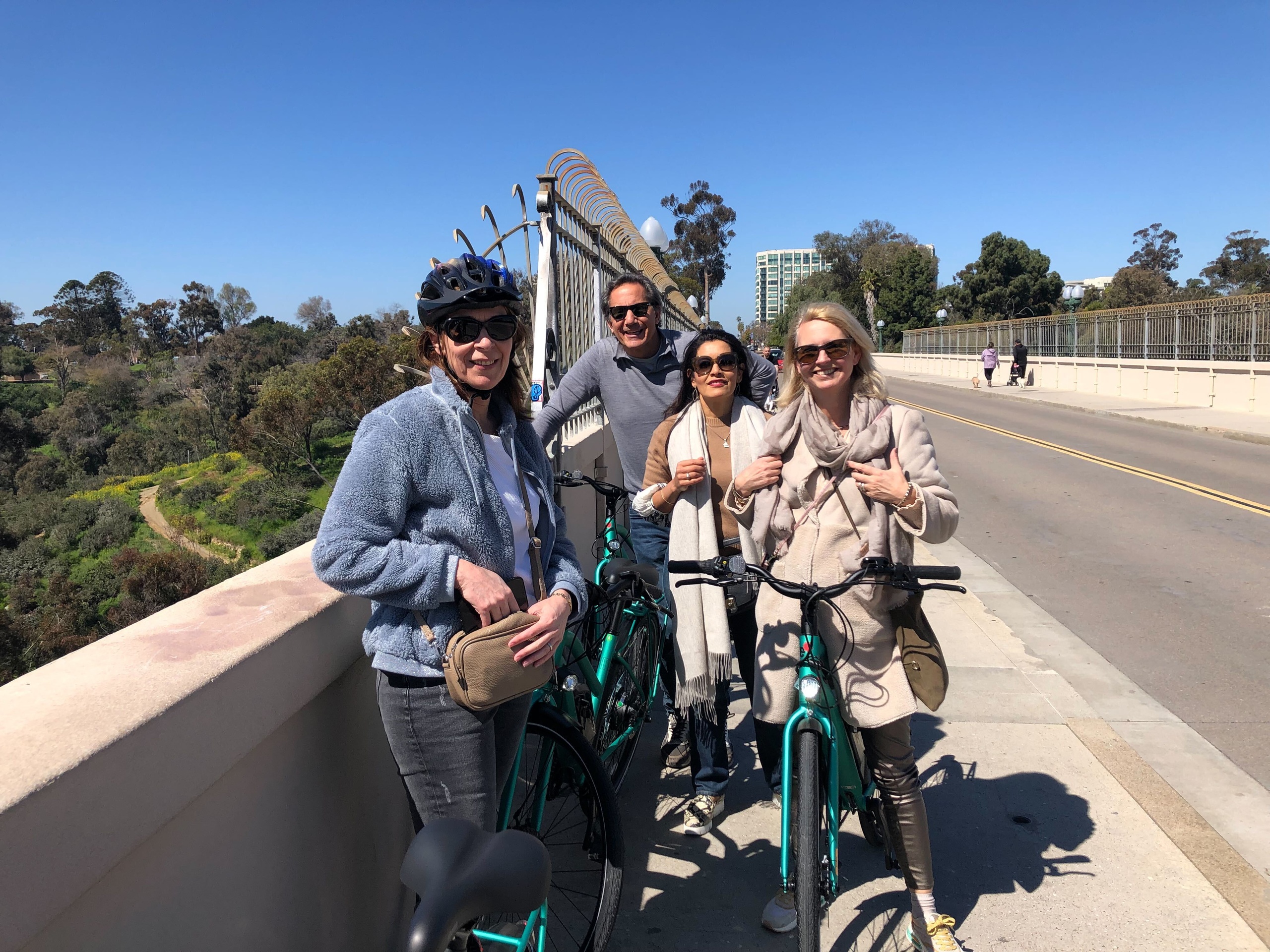
Pine Valley sits at a comfortable crossroads: close enough to San Diego to be a long morning ride, remote enough to feel like you escaped the city. The landscape here—open sage flats, stands of Jeffrey and Coulter pine, and classic Southern California chaparral—creates a ride network that rewards modest effort with big scenic returns. E-bikes unlock this terrain in a way conventional bikes often cannot: long climbs that would otherwise require hours of fitness become accessible single-ride achievements, and mixed routes of pavement, gravel and fire road feel seamless when you can dial power up or down as the grade demands.
The region’s patchwork of county roads, forest service routes and informal tracks makes it particularly suited to Class 1 and Class 3 e-bikes. These machines let riders conserve energy on long access climbs along Sunrise Highway or the Pine Valley Loop, then enjoy technical sections and viewpoints without the fatigue that usually ends afternoon rides early. The payoff is not just distance: it’s the ability to linger—stop at a red-rock outcrop, watch raptors ride thermals over the Sweetwater watershed, or detour into quieter trails that would have been off-limits on a rigid schedule.
Pine Valley’s seasons play a role in the e-biking experience. Spring brings wildflowers along the roadside and crisp mornings perfect for longer loops; summer offers early starts to escape heat; fall cools the high country and sharpens the light for late-afternoon descents. Occasional winter storms can dust the higher ridges with snow, creating dramatic contrast but sometimes limiting access on dirt roads. Because many popular routes are multi-use—shared with hikers, trail runners and equestrians—rider etiquette and trail awareness are essential. Ultimately, Pine Valley is less about marquee singletrack than about adaptable rides: think exploratory loops, canyon connectors, and scenic valley cruises that pair well with a picnic and a short hike.
E-bikes make reasonable day trips of routes that would otherwise be shuttle-heavy. A typical plan: a morning climb with assist, a long ridge traverse, a café stop at a local market, and an evening descent back to the valley floor.
The region’s low population density means roads and fire lanes are often quiet, but some sections intersect with popular hiking areas—expect and respect foot traffic.
The harbor is the gateway, and the Pacific becomes the classroom.
Because much of the best terrain uses mixed-surface roads, durable tires, a robust battery and a comfortable geometry are priorities over ultralight racing setups.
Choose by purpose
Whale watching, snorkeling, sunset sailing, cultural canoeing, harbor sightseeing, or private chartering.
Start near the city
Waikiki and Honolulu Harbor are primary hubs, with some trips launching near Hanauma Bay.
Confirm the vessel
Gangways, shaded seating, and boarding requirements vary according to vessel size and operator.