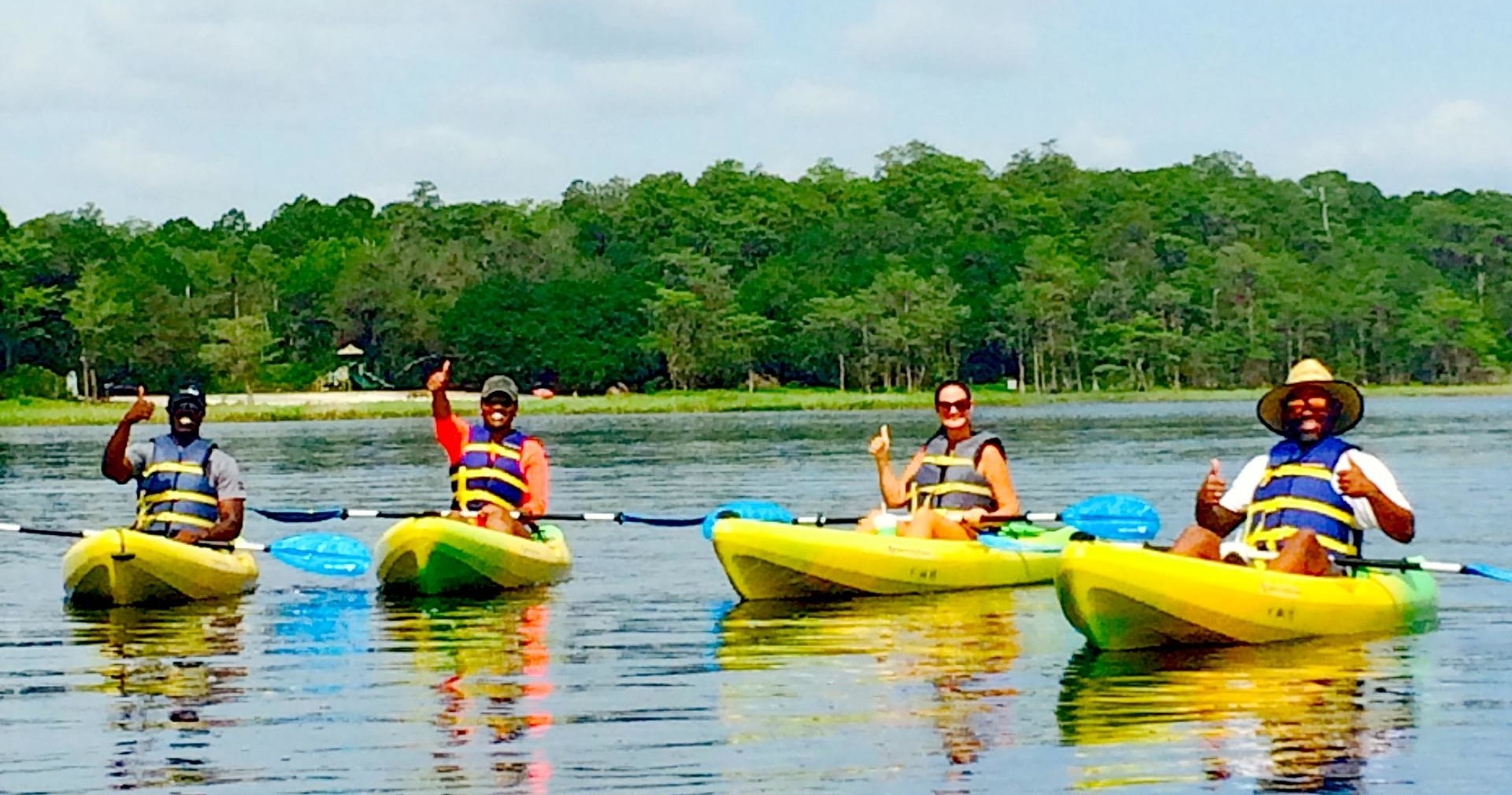
Why Polk City Is a Standout Kayaking Destination
Polk City is easily overlooked on a map of Florida, tucked into the heart of a county better known for citrus groves and phosphate pits. For paddlers, though, that quiet interior is an advantage. The region's shallow lakes, narrow drainage creeks, and spring-fed tributaries create a paddling network where calm, clear water meets wide skies and approachable routes. Unlike the loud boat lanes of some coastal waterways, many of Polk Citys paddles are intimate affairs: launch from a public ramp, glide beneath cypress fringes, and watch a shoreline rhythm where herons, turtles, and the occasional otter signal a healthy freshwater system. The lack of elevation is not a weakness but a particular virtue here—routes are steady, technical demands are low, and the experience centers on rhythm, observation, and long sightlines across open water or through shaded creek passages.
Beyond the surface, the paddling landscape carries layers of human and natural history. Indigenous peoples navigated these waters long before settlement, and later waves of agriculture and development shaped shorelines and access points. Today the result is a patchwork of public lakes, county parks, and privately run launch sites that together create a surprisingly rich menu of options for day trips and sunset paddles. For anyone who appreciates soft light on still water, easy portages, and the kind of slow exploration that reveals detail—nests, seasonal blooms, and the quiet patterns of wildlife—Polk City delivers without pretense. The region is also a good training ground: beginners can master strokes and boat handling on protected lakes, while intermediate paddlers can string together multi-lake runs or challenge wind-exposed stretches on larger water bodies.
Practically speaking, Polk Citys paddling season bends around Florida weather. Winters and early springs offer the most comfortable temperatures, with lower humidity and fewer afternoon storms. Summers are lush and electric: mid-day thunderstorms are common and insects are more numerous, but dawn and dusk paddles reward with dramatic skies and the most active wildlife. Accessibility is another advantage. Because many launches are at county parks or simple boat ramps, you can combine paddling with a picnic stop, a short bike ride along a lake road, or even a sampling of nearby citrus stands and local eateries. For travelers who want the quiet intimacy of freshwater paddling—water that reflects the whole sky and slows the pace of a trip—Polk City is a quietly compelling base.
Variety without remoteness: short lake loops, multi-lake linkups, and narrow creek channels are all reachable from town.
Wildlife viewing is outstanding at first light: wading birds, otters, and turtles are common; springs can showcase clear-water visibility and submerged vegetation.
The harbor is the gateway, and the Pacific becomes the classroom.
Accessibility is straightforward: many launches have parking and basic facilities, making repeat half-day outings simple for families and solo paddlers alike.
Choose by purpose
Whale watching, snorkeling, sunset sailing, cultural canoeing, harbor sightseeing, or private chartering.
Start near the city
Waikiki and Honolulu Harbor are primary hubs, with some trips launching near Hanauma Bay.
Confirm the vessel
Gangways, shaded seating, and boarding requirements vary according to vessel size and operator.