Why Port Richey Is a Distinctive Eco-Tourism Hub
Port Richey sits at the quieter, less-commercialized end of Tampa Bay’s mosaic of wetlands, islands, and inlets—a place where the built and wild edges meet in ways that reward slow, observant travel. The ecological engine here is simple and generous: rivers laden with tannin feed broad estuaries, mangrove roots trap sediment and shelter juvenile fish, and seagrass beds nearshore feed a web of life that scales from fiddler crabs to dolphins. For the visiting naturalist or curious traveler, that means every eco tour is also a lesson in connectivity. A guided boat trip becomes a primer on nutrient cycles when your guide shows how tannin-stained flows shape oyster reefs; a paddle through a channel becomes a bird migration waypoint when flocks lift and settle with the tide.
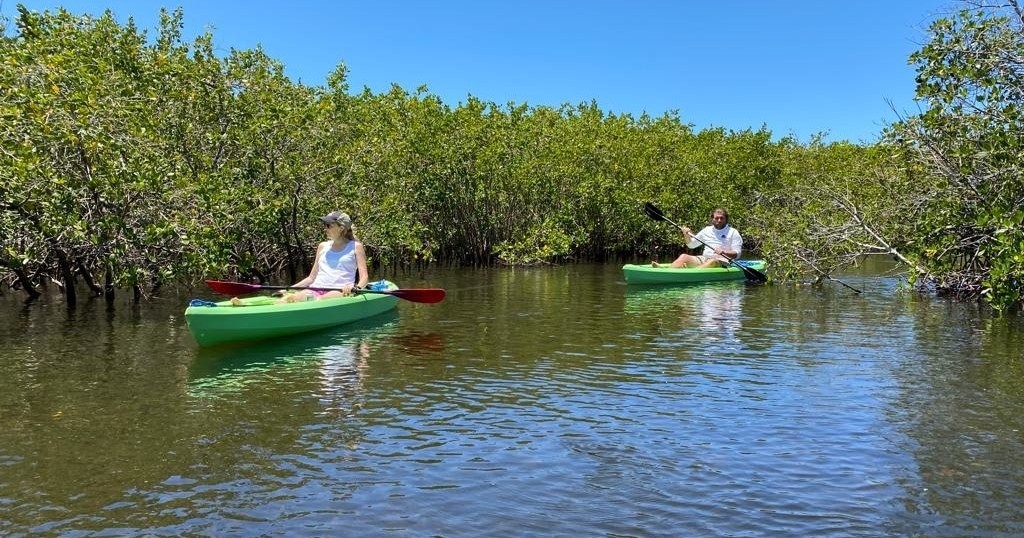
The tours themselves skew intentionally accessible. There are no alpine passes or multi-day backcountry crossings here—rather, Port Richey’s terrain favors low-impact outings that foreground observation and interpretation. Kayak and stand-up paddleboard (SUP) excursions thread narrow mangrove estuaries where guides point out leaf litter crabs, epiphytic orchids, and the subtle differences between red, black, and white mangrove roots. Flat-bottomed skiff trips navigate wider waters to reach seagrass flats and the deeper channels where manatees and dolphins feed. On land, short boardwalks and coastal preserves offer intimate interpretive walks emphasizing habitat restoration, invasive species removal, and the local organizations doing conservation work. That combination—water-based access plus hands-on conservation messaging—gives Port Richey’s eco tours a practical, actionable edge: visitors leave with stories, binoculars full of sightlines, and concrete ideas for low-impact travel and stewardship.
Seasonality amplifies different dimensions of the experience. Winter and early spring draw migrating shorebirds and clearer water conditions for snorkeling the shallows; warmer months lengthen the window for night paddles and bioluminescence watches in calmer bays. Weather is characteristically Floridian—sunny mornings followed by afternoon sea breezes and a summertime squall—so guides design trips around tidal flows and forecast windows to maximize wildlife encounters and comfort. Accessibility is another advantage: many launches and preserves are a short drive from parking, and outfitters commonly provide basic instruction and gear, making eco tours viable for families, skilled paddlers, and anyone seeking a low-barrier nature immersion. Finally, Port Richey’s quieter character compared with nearby tourist hubs results in more contemplative shorelines; you’re more likely here to hear the call of a kingfisher than the hum of a crowded pier. Together, these elements make Port Richey an ideal coastal laboratory for travelers who prioritize ecological literacy, close wildlife viewing, and meaningful conservation context on short, well-run outings.
The mix of habitats—mangrove tunnels, tidal creeks, salt marshes, and seagrass flats—creates high biodiversity in a compact area, so short outings often yield a wide range of species.
Local outfitters emphasize interpretation and stewardship, often partnering with conservation groups on citizen science opportunities like bird counts and shoreline cleanups.
Choose by purpose
Whale watching, snorkeling, sunset sailing, cultural canoeing, harbor sightseeing, or private chartering.
Start near the city
Waikiki and Honolulu Harbor are primary hubs, with some trips launching near Hanauma Bay.
Confirm the vessel
Gangways, shaded seating, and boarding requirements vary according to vessel size and operator.