Top 24 SUP Adventures in Port Richey, Florida
Port Richey SUP Guide

Top 24 SUP Adventures in Port Richey, Florida

Port Richey is a compact coastal launchpad for stand-up paddleboarding that rewards low-key planning with exceptional access to Florida’s estuarine world. Calm, shallow rivers wind through mangrove-shaded channels, while quick runs to offshore islands and the protected Anclote Key area open possibilities for beach landings, wildlife encounters, and sheltered Gulf paddles. This guide focuses on the routes, safety checks, seasonality, and local logistics that let paddlers — from first-timers to experienced SUP anglers and downwind riders — make the most of the region.

Pithlachascotee (Pith) RiverAnclote River & IslandsGulf Coast EstuariesMangrove Tunnels & Seagrass Flats

Live destination inventory

Top SUP Trips in Port Richey

24 trips · Book with confidence · Instant confirmation

The prototype intentionally does not invent replacement trip cards or add images that are not already part of the live source page.

The city from the water

Why Port Richey Is a Standout SUP Destination

Port Richey’s appeal for stand-up paddleboarders lies in contrasts: the town’s modest shoreline gives onto a surprisingly varied seascape where narrow tannin-stained rivers meet wide, grassy flats and open blue beyond the barrier islands. For paddlers who prize wildlife, easy logistics, and the chance to string together hour-long loops without committing to long drives, Port Richey is quietly excellent. The Pithlachascotee—known locally as the Pith River—threads through salt-tolerant hardwoods and mangroves, offering sheltered water most days of the year. That shelter translates into forgiving conditions for learners: light chop, shallow shoals, and calm channels let you focus on balance, sightlines, and appreciating the region’s birdlife. Beyond the riverbanks, a short tow or guided trip through the Anclote River corridor puts you on approach to Anclote Key and nearby islands. These offshore features create a protected lee and pockets of shallow seagrass where manatees, rays, and foraging shorebirds gather. For intermediate paddlers, these channels provide a natural progression: flatwater skill-building in the inner estuary, then practice reading tides and wind before venturing to small island beaches. Experienced paddlers can use Port Richey as a staging ground for more ambitious outings — early-morning gulf crossings on calm days, downwind runs when the sea breeze settles in, or SUP fishing across shallow flats. The area’s low elevation and subtropical climate make it a year-round playground, but subtle seasonal rhythms matter. Spring and late fall blend steady temperatures with lighter storm patterns, translating to long windows of ideal paddling. Summer offers warm water and sunrise glassiness, but afternoon sea breezes and thunderstorm risk shorten reliable windows; hurricane season (June–November) requires active itinerary flexibility. Tide and wind readouts are not optional here: the shallow estuarine morphology means a two-foot tidal swing can open or close channels and alter exposed seagrass between launch and landing points. Practicality is part of Port Richey’s charm. Launch sites are close to town; outfitters and shuttles operate within a short drive; and many experiences pair naturally with other activities — saltwater fly-fishing from a SUP, snorkeling the grassbeds, or a sunset beach picnic on one of the barrier islands. Conservation-minded paddlers will also find a place to contribute: the same habitats that make SUP special are fragile, and low-impact paddling practices—no wake in seagrass zones, respecting manatee approach distances, and packing out trash—preserve the very experiences you came for. Whether you come to learn, to chase light on glassy flats, or to land on an empty shell-strewn beach, Port Richey offers an intimate, navigable stretch of Florida coast that rewards curiosity and careful planning.

The Pithlachascotee River offers short loops and long excursions through mangroves, ideal for progression from guided lessons to self-led trips.

Anclote Key and nearby islands are accessible on calm days and provide outstanding beach landings and birdwatching.

The harbor is the gateway, and the Pacific becomes the classroom.

Local winds and tides shape routes dramatically—use local forecasts and tide charts before committing to open-water legs.

Activity focus

Choose by purpose

Whale watching, snorkeling, sunset sailing, cultural canoeing, harbor sightseeing, or private chartering.

Departure hubs

Start near the city

Waikiki and Honolulu Harbor are primary hubs, with some trips launching near Hanauma Bay.

Accessibility

Confirm the vessel

Gangways, shaded seating, and boarding requirements vary according to vessel size and operator.
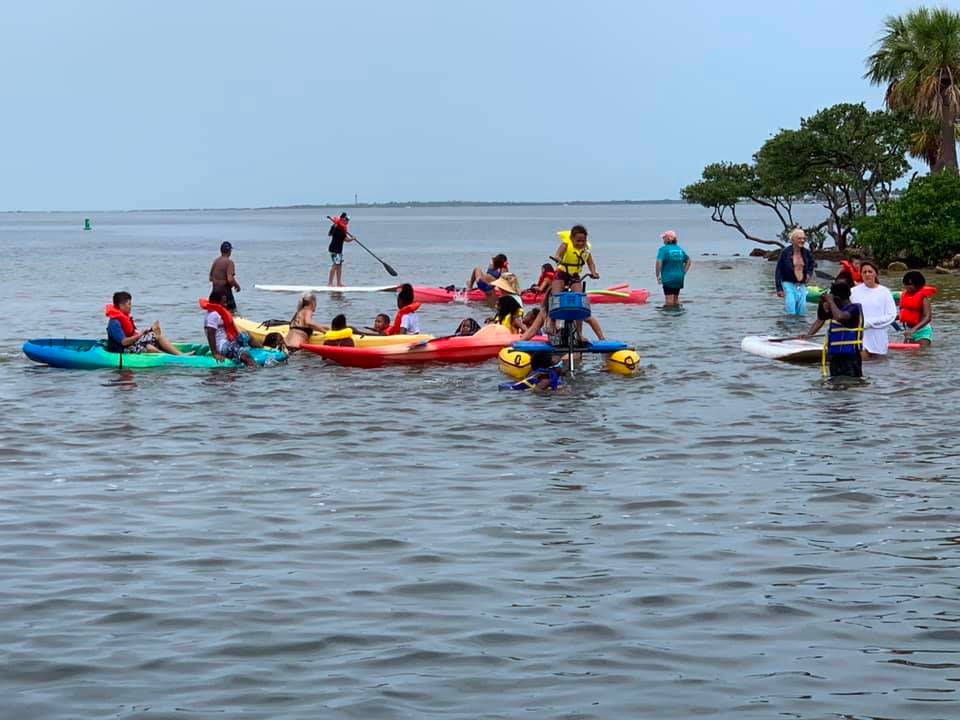
Seasonal planning

Best Time to Visit

Port Richey is warm year-round, but wind, swell, migration, visibility, and demand change the best match between traveler and trip.

Port Richey boat tour
Year-round destination

Seasonal highlights change the reason to go

Winter favors humpback encounters; warmer, calmer months favor snorkeling visibility and smoother water.

Humpback season

Spring break and winter holidays see the most visitors; weekends are busiest at popular launches.

Prime whale watching, winter holidays, higher demand, and earlier sell-outs.

Snorkeling window

March–April–May–October–November–December

Typically gentler seas and clearer water for snorkeling trips.

Weather notes

Trade winds year-round

Port Richey has a humid subtropical climate: mild, dry winters and hot, humid summers with frequent afternoon thunderstorms. Spring and fall typically provide the most dependable paddling windows. Pay close attention to sea-breeze onset in summer afternoons and to tropical storm watches during hurricane season (June–November).

Quieter opportunities

Late spring & summer weekdays

Summer mornings offer glassy conditions before sea breezes build; weekdays year-round can be surprisingly quiet for exploration.

Match the trip to your comfort

Choose Your Experience Level

Low effort

Beginner

Calm inner-river loops, short mangrove passages, and guided flatwater sessions that focus on balance and basic stroke technique.

  • Pith River sheltered loop
  • Guided mangrove tunnel tour
  • Sunrise flatwater lesson
Active day trip

Intermediate

Longer estuary circuits, short island approaches, basic tide reading, and mixed chop handling for short open-water stretches.

  • Anclote River to nearby island hop
  • Seagrass flat exploration with wildlife viewing
  • SUP fishing on protected flats
Longer or technical

Advanced

Extended gulf-facing paddles, downwind runs when conditions align, and technical route planning that accounts for currents, tides, and changing weather.

  • Open Gulf crossing to Anclote Key (weather permitting)
  • Downwind coastal run during steady sea breeze
  • Multi-stop backcountry paddles with navigation and self-rescue skills

Prepare for sun, spray, and swell

What to Bring

Essential

Core kit

  • Leash and properly sized SUP or rental board
  • Personal flotation device (PFD) — required in many situations
  • Waterproof phone case and VHF/whistle for open-water legs
  • Drybag with water, snacks, sun protection, and ID
  • Tide and wind app or printed tide table
Recommended

Useful extras

  • Light long-sleeve sun shirt and hat with retention cord
  • Water shoes for rocky or shell-strewn landings
  • Inflatable or touring SUP for longer distance stability
  • Basic repair kit and pump for inflatable boards
  • Sunglasses with retainer and biodegradable sunscreen
Optional

Trip-specific

  • Light anchor or stake for fishing or beach lounging
  • Compact binoculars for birding
  • GoPro or action camera with chest or board mount
  • Small first-aid kit tailored to marine cuts and stings
Verify launch access, tide windows, and weather before heading out; local outfitters and tide charts are invaluable.

Insider Tips & Local Knowledge

Reserve whale-watching and popular sunset cruises well ahead during December–April.
Choose morning snorkeling departures for calmer seas and better underwater visibility.
For motion sensitivity, choose a larger vessel, sit mid-ship, and take preventative medication before boarding.
Do not touch coral or wildlife, avoid standing on reefs, and use reef-safe sunscreen.
Community-based operators may add context about traditional navigation and stewardship.
Arrive early for parking and check-in because Waikiki departure areas can be busy.

Planning questions

Frequently Asked Questions

Most recreational paddling does not require a permit, but specific wildlife refuges or island landings (like parts of Anclote Key) may have restrictions or parking/boat-launch fees. Check local park rules and state-managed area guidance before landing on protected islands.
Top 24 SUP Adventures in Port Richey, Florida
Ready for your sup adventure?

Browse 24 verified trips in Port Richey.

Compare current availability and book with instant confirmation.

Explore Port Richey sup