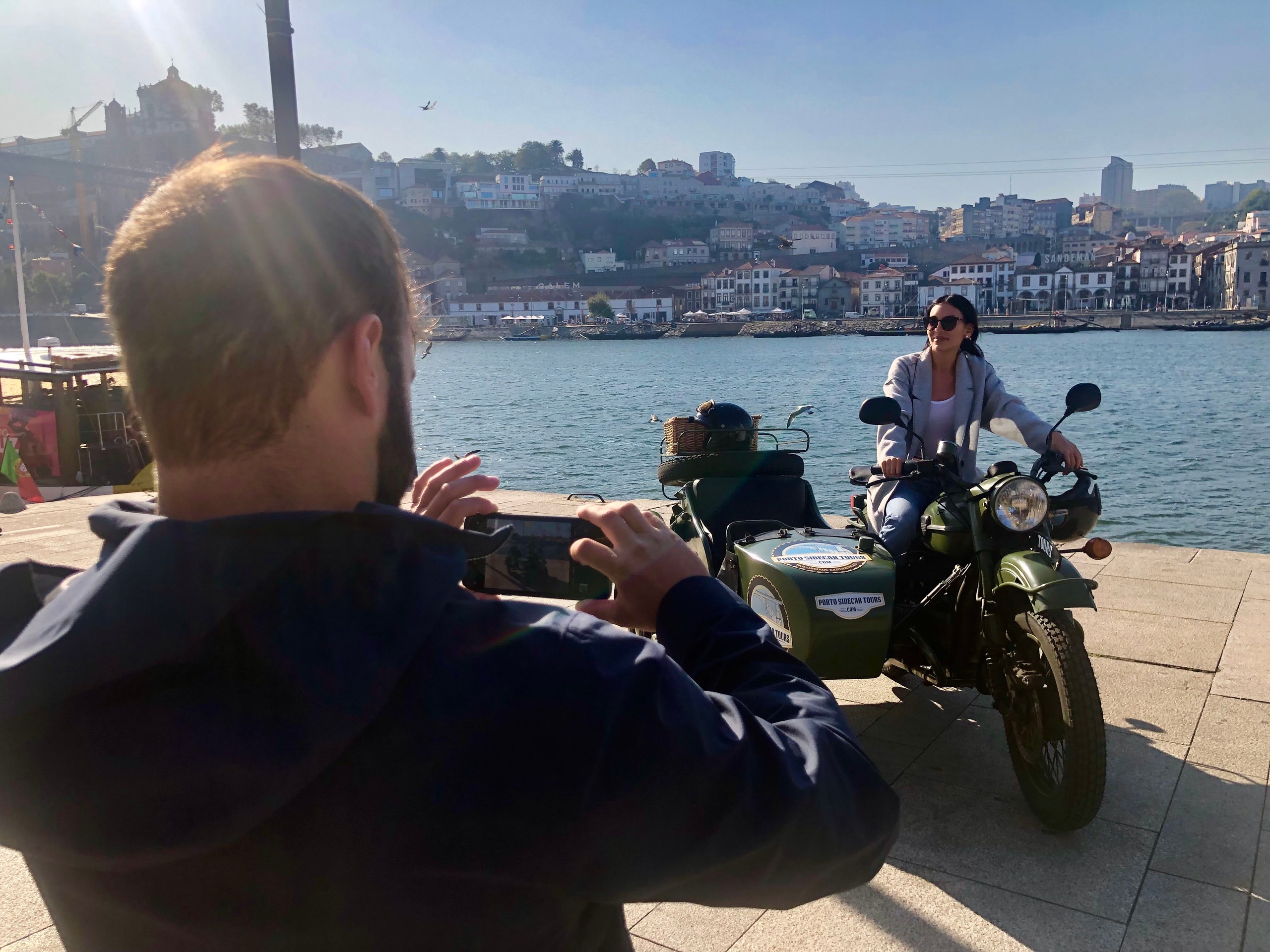
Porto is the sort of city that rewards slow attention. Walk a single street once and you’ll register the serried layers of time: a medieval street plan meeting 18th‑century mercantile wealth, then reinterpreted by modern cafés and galleries. City tours here aren’t just itineraries; they’re connective tissue that link tilework and tramlines to the river that made the city wealthy and the people who shaped its culture. From the azulejos that flank churches and train stations to the warehouses converted into port wine cellars across the river in Vila Nova de Gaia, guided routes highlight details that are easy to miss when you rush.
The terrain of Porto is immediate and physical. Steep hills and narrow alleys create cinematic sightlines — a sudden canted doorway, a tiled façade catching light, a view down to the Douro that unspools like a map. A good city tour modulates effort and reward: it pairs uphill stair sprints with flat riverside promenades, and intersperses walking with short tram or funicular rides so the day feels like movement, not punishment. For travelers who prefer wheels to soles, bike and e‑bike tours thread quieter residential neighborhoods and coastal stretches, while riverboat trips reframe the city from the water and reveal the scale of the bridges and quays.
Culturally, Porto tours are immersive without being theatrical. They bring together foodways and history — a stop at the Bolhão Market is as much about the vendors and seasonal produce as it is about the building’s future — and they situate culinary experiences within a longer narrative: why port wine cellars cluster on Gaia’s bank, how shipbuilding shaped certain neighborhoods, why Portuguese café culture still orients around long mornings and late‑afternoon sobremesas. Local guides fuse anecdote, architecture, and ecology: you’ll learn about the Douro’s estuarine dynamics, the city’s microclimates, and how coastal storms influence café terraces.
Practical planning is baked into the best tours. Porto is busiest in summer and during cruise ship peaks; neighborhoods like Ribeira and Clérigos can feel congested midday. A morning walking tour, a midafternoon cellar visit, and a sunset boat ride is a common rhythm that disperses crowds and delivers the city at its most forgiving angles. Lastly, Porto’s compactness means even shorter tours leave room for follow‑ups: extend a guided walk into a neighborhood self‑guided photo loop, or combine a tram ride with a culinary workshop to mix learning and leisure.
Compact and walkable: many highlights are within 20–40 minutes of each other on foot, but steep slopes are frequent.
Cultural layering is constant: architecture, food, and river commerce are woven into most tour narratives.
The harbor is the gateway, and the Pacific becomes the classroom.
Seasonality affects crowding more than access—winter offers quieter streets, summer brings long hours and busy squares.
Combine modalities: walking + tram/funicular + riverboat is the most satisfying way to experience contrasts.
Choose by purpose
Whale watching, snorkeling, sunset sailing, cultural canoeing, harbor sightseeing, or private chartering.
Start near the city
Waikiki and Honolulu Harbor are primary hubs, with some trips launching near Hanauma Bay.
Confirm the vessel
Gangways, shaded seating, and boarding requirements vary according to vessel size and operator.