Walking Tours in Portola Valley, California
Portola Valley Walking Tour Guide

Walking Tours in Portola Valley, California

Portola Valley distills Northern California’s coastal-ridge charm into strollable routes that trade the bustle of the Peninsula for oak-studded ridgelines, quiet town lanes, and interpretive nature walks. These walking tours—ranging from easy historic-architecture loops to energized ridge walks—offer a low-impact, high-richness way to experience the ecology and human stories embedded in this tucked-away community.

Windy Hill Open SpacePortola Valley Town CenterCoal Creek and Juniper Trails

Live destination inventory

Top Walking Tour Trips in Portola Valley

33 trips · Book with confidence · Instant confirmation

The prototype intentionally does not invent replacement trip cards or add images that are not already part of the live source page.

The city from the water

Why Portola Valley Makes for Exceptional Walking Tours

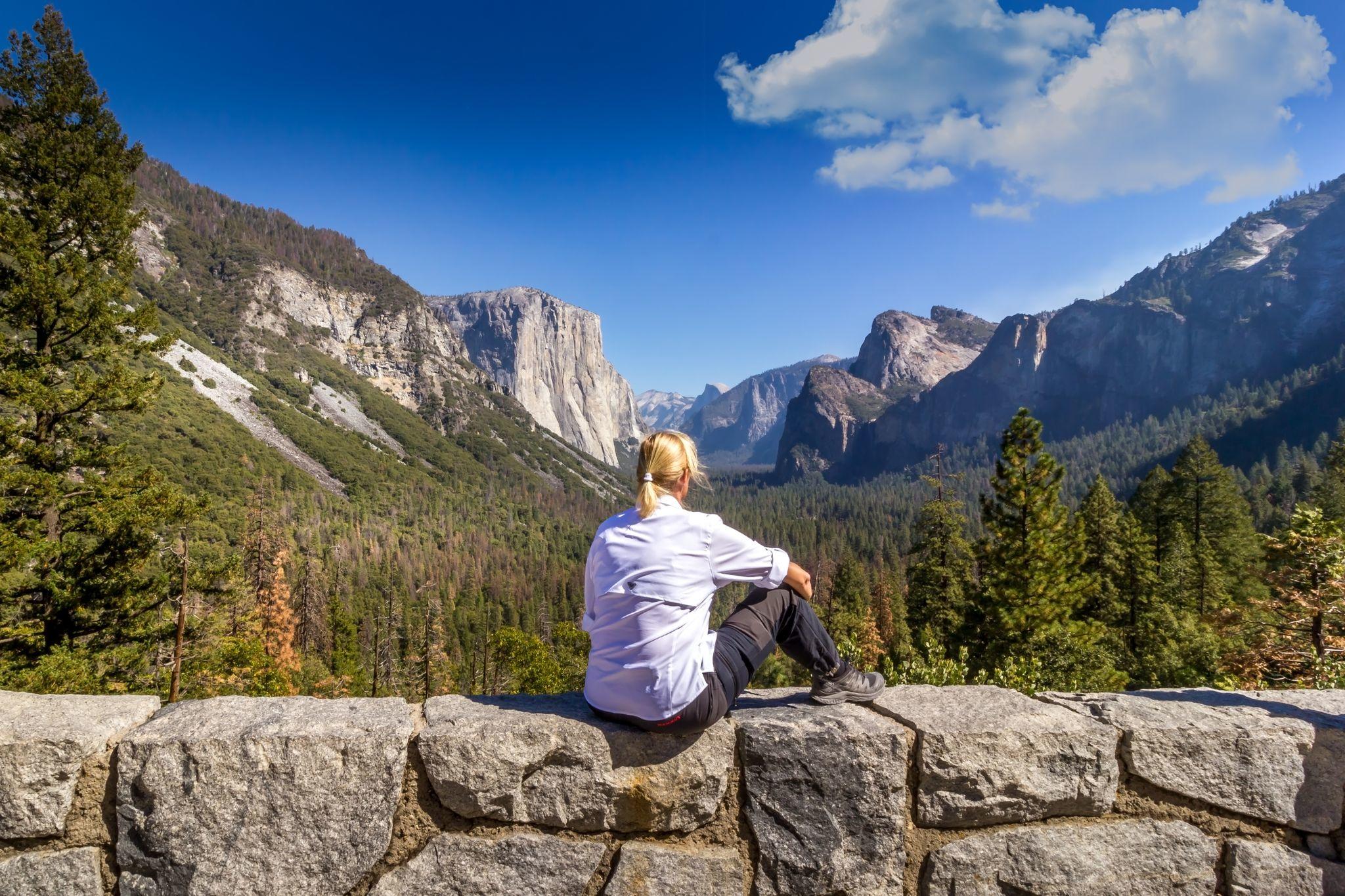
There’s a small, persistent quality to Portola Valley that rewards slow travel: here the landscape arrives at your pace. Walking tours in Portola Valley are not a collection of disconnected paths but a way to thread together geology, ecology, and local history without a car. Start at the town center and the world opens up—meadows that swell with wildflowers in spring, coast-swept ridgelines where the wind sculpts the grass, and oak woodlands whose trunks carry decades of light and storm. Unlike urban walking tours that bustle between landmarks, Portola Valley’s best routes are about texture and listening: the crack of a hawk in the thermals, the chorus of frogs in seasonal creeks, the chalky smell of chaparral after rain. On the human side, the town’s heritage—ranch roads, early conservation efforts, and the neighborhoods that grew around Stanford-era connections—gives each stroll a narrative arc. You can follow an easy, interpretive route that winds past preserved homesteads and roadside markers that tell of the valley’s ranching past, or choose a ridge walk that climbs through mixed woodland to a view that frames the Santa Cruz Mountains and San Francisco Bay in one sweep. The gradient of experiences is what makes walking tours here especially satisfying: morning walks can be a soft, meditative affair—fog pooling in lower hollows, dew on native grasses—while late-afternoon tours share golden light and cool breezes cascading off the bay. Seasonality is tangible: winter rains thicken creeks and green the hills; spring unleashes a surprisingly subtle riot of blooms and insects; summer dries the meadows to gold and focuses activity on morning and evening; autumn restores cooler air and clearer views. Because many routes cross public open spaces and town-maintained paths, accessibility varies. Several well-graded town loops are appropriate for families and casual walkers, while preserved ridgelines and service roads invite hikers who want more elevation and exposed terrain. Local stewards and volunteers maintain interpretive signage at key trailheads, and small pocket parks act as natural classrooms for the valley’s plant communities. For travelers who prize intimacy with a place, walking tours in Portola Valley offer concentrated encounters: you’ll leave knowing a particular slope, stand of trees, or stone wall in a way that driving across the same geography never allows. Practical planning is straightforward but worth attention: parking at popular open-space trailheads can fill early on weekends, and summer conditions favor earlier starts. With a mix of gentle historical loops and more strenuous ridge traverses, the valley is a compact but surprisingly deep destination for anyone who wants to trade speed for detail.

Walking here is not about bagging peaks; it’s about layered observation. Each route layers natural history—serpentine soils, oak savanna, seasonal creeks—over human traces like old ranch lanes and mid-century architecture that mirror the Bay Area’s cultural evolution.

The variety of tour styles makes Portola Valley accessible: you can book a guided history walk, join a volunteer-led nature stroll focused on native plants, or self-guided a ridgeline tour that rewards steady breathing and panoramic views.

The harbor is the gateway, and the Pacific becomes the classroom.

Because most walks occur on multi-use open-space lands rather than dense single-track, navigation is straightforward. Still, the finest local experiences come from walking with curiosity: pausing at a spring, diverting to a viewpoint, or following a side trail to a cluster of wildflowers.

Activity focus

Choose by purpose

Whale watching, snorkeling, sunset sailing, cultural canoeing, harbor sightseeing, or private chartering.

Departure hubs

Start near the city

Waikiki and Honolulu Harbor are primary hubs, with some trips launching near Hanauma Bay.

Accessibility

Confirm the vessel

Gangways, shaded seating, and boarding requirements vary according to vessel size and operator.
Seasonal planning

Best Time to Visit

Portola Valley is warm year-round, but wind, swell, migration, visibility, and demand change the best match between traveler and trip.

Portola Valley boat tour
Year-round destination

Seasonal highlights change the reason to go

Winter favors humpback encounters; warmer, calmer months favor snorkeling visibility and smoother water.

Humpback season

Late spring through early summer when wildflowers and bird activity peak; weekend mornings see the highest visitation.

Prime whale watching, winter holidays, higher demand, and earlier sell-outs.

Snorkeling window

March–April–May–September–October

Typically gentler seas and clearer water for snorkeling trips.

Weather notes

Trade winds year-round

Spring and fall offer the most comfortable walking temperatures and the best balance of green hills and clear views. Summer mornings are ideal—afternoons warm and dry with increased fire-risk awareness. Winter brings rain and greener landscapes; bring traction-aware footwear for muddy sections.

Quieter opportunities

Late spring & summer weekdays

Winter weekdays offer quiet trails and lush green hills; foggy mornings create moody photography opportunities but reduce visibility on ridgelines.

Match the trip to your comfort

Choose Your Experience Level

Low effort

Beginner

Easy, mostly paved or well-graded routes suitable for casual walkers, families, and those wanting short outings with interpretive signage.

  • Town-center historical loop
  • Short meadow and creek walk
  • Interpretive nature stroll with signage
Active day trip

Intermediate

Longer self-guided loops that include mixed surfaces, moderate elevation gain, and exposed ridge viewpoints.

  • Ridgeline loop with panoramic overlooks
  • Half-day woodland to meadow circuit
  • Sunrise summit walk with steeper approaches
Longer or technical

Advanced

Extended ridge traverses or combination tours connecting multiple preserves; requires endurance, route-finding, and readiness for exposed sections and variable weather.

  • Multi-preserve traverse linking Windy Hill and adjacent open space
  • Full-day exploratory walks with significant elevation change
  • Early-season ridge route after storms with careful footing

Prepare for sun, spray, and swell

What to Bring

Essential

Core kit

  • Sturdy walking shoes or trail runners
  • Water (at least 1 liter for casual tours; more for ridge walks)
  • Sun protection: hat, sunscreen, and sunglasses
  • Light daypack for layers and snacks
  • Map or download of the route (cell signal can be spotty in places)
Recommended

Useful extras

  • Layered clothing for coastal fog and sunny ridges
  • Small first-aid kit and blister care
  • Camera or smartphone for landscape and wildlife photos
  • Binoculars for birding on ridge and meadow routes
Optional

Trip-specific

  • Walking poles for steeper ridgeline sections
  • Notebook for field notes or sketching
  • Reusable water bottle and light snack to reduce waste
Confirm trailhead access and parking rules before you go; some access points have limited spaces and seasonal closures.

Insider Tips & Local Knowledge

Reserve whale-watching and popular sunset cruises well ahead during December–April.
Choose morning snorkeling departures for calmer seas and better underwater visibility.
For motion sensitivity, choose a larger vessel, sit mid-ship, and take preventative medication before boarding.
Do not touch coral or wildlife, avoid standing on reefs, and use reef-safe sunscreen.
Community-based operators may add context about traditional navigation and stewardship.
Arrive early for parking and check-in because Waikiki departure areas can be busy.

Planning questions

Frequently Asked Questions

Yes. Many town loops and shorter open-space paths are family-friendly, relatively flat, and under two miles. Pick routes labeled as easy and watch for parking proximity to trailheads.
Walking Tours in Portola Valley, California
Ready for your walking tour adventure?

Browse 33 verified trips in Portola Valley.

Compare current availability and book with instant confirmation.

Explore Portola Valley walking tour