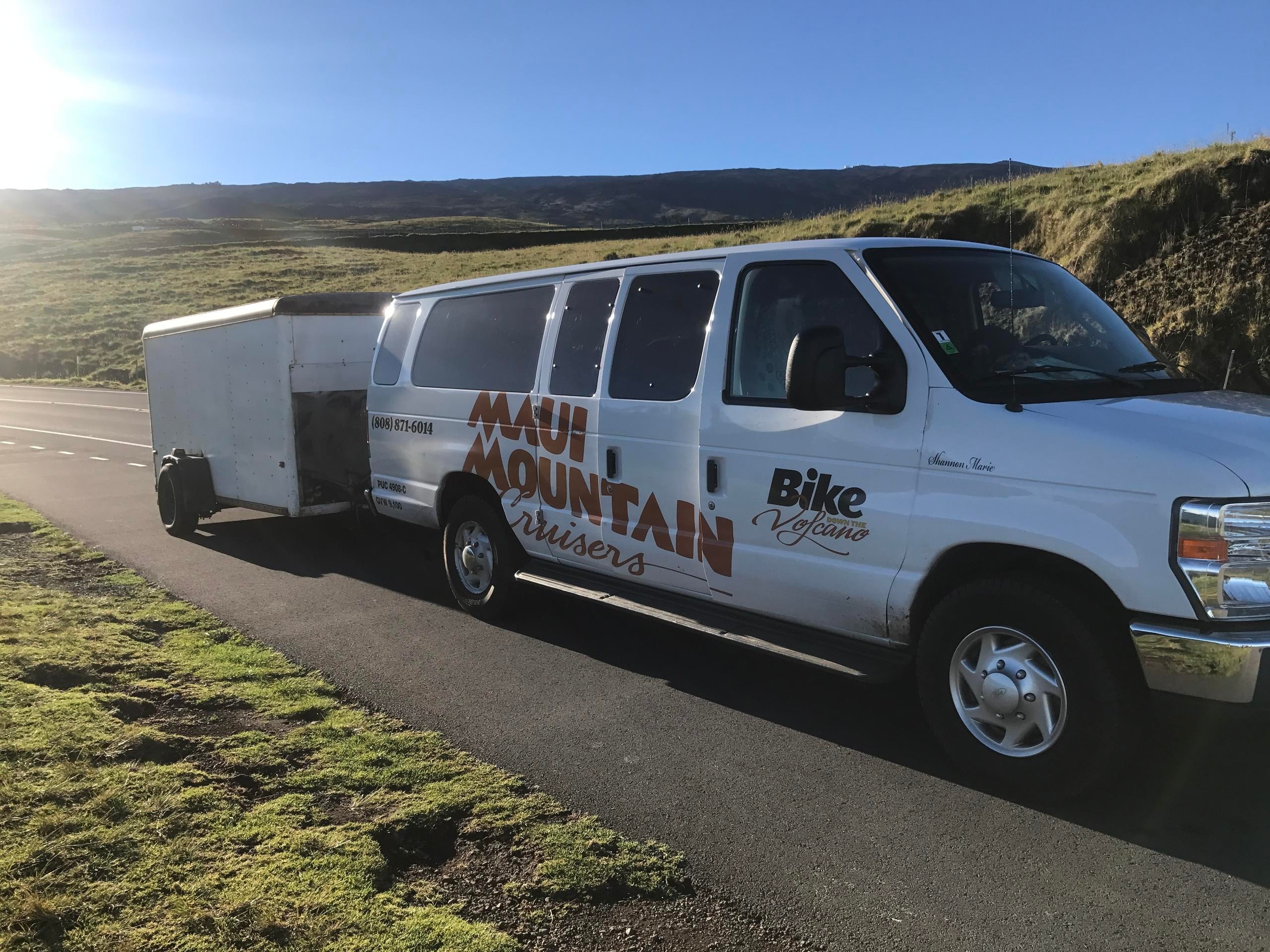
Why Puunene Is a Standout Place for Bike Tours
Puunene is an invitation to ride without pretense: broad horizons, low elevation, and roads that were laid out for commerce but now reward curiosity. The town sits near the floor of Maui’s central valley, where the creak of old cane rails and the silhouettes of weathered mill buildings still punctuate fields. For cyclists, this translates into long, runnable stretches with gentle grades—perfect for building mileage, taking in expansive Hawaiian light, and moving between coastal viewpoints and upcountry climbs with minimal traffic stress.
But Puunene’s charms are not only practical. Riding here feels like traveling through a layered landscape of memory: plantation-era infrastructure, the steady presence of agriculture, and modern attempts to restore native wetlands and avian habitat. Bike tours that pass through Puunene often pair the simplicity of flat-to-rolling terrain with cultural waypoints—abandoned mill skeletons, roadside stands selling guava and papaya, and small community centers where locals will share directions and recommendations. For photographers and storytellers, the contrasts—industrial bones against tropical sky—create compelling frames at dawn and late afternoon.
Seasonality and weather shape the ride experience. The northeast trade winds are a defining feature: they can turn a relaxed morning ride into a fast tailwind sprint or a challenging afternoon headwind slog. That variable pushes route planning toward early starts and flexible turnarounds. Conversely, the valley’s low elevation keeps temperatures mild compared to coastal heat, and rains often come in brief bursts, leaving roads quickly rideable. Riders will also find complementary terrain minutes away—gravel farm roads leading to birding wetlands, coastal promenades toward Kahului, and, with a short climb, the cooler, eucalyptus-lined lanes of upcountry slopes toward Pukalani and Kula.
For practical riders—cyclists training for longer tours or families seeking an accessible day out—Puunene offers adaptable options. Road cyclists can string together 30–60 mile loops that include coastal sections and short, punchy climbs. Gravel riders will appreciate the mix of packed dirt service roads and quiet country lanes that skirt fallow fields. E-bikes broaden the audience further, turning upcountry elevations into comfortable afternoon outings for mixed-ability groups. Importantly, many of Puunene’s best rides weave in other activities: a stop at the Maui Tropical Plantation, a detour to a small farmers market, or a short hike at a nearby nature preserve. These intersections—between history, agriculture, and accessible cycling—are the reason riders keep returning to this deceptively simple Maui valley.
The lowland roads around Puunene are an ideal training ground: long, even surfaces with few steep grades let riders focus on cadence and distance. Early starts dodge the trade winds and deliver quiet, golden-hour kilometers through farmland.
Puunene also works as a base for mixed-activity days. Combine a morning bike tour with an afternoon exploration of nearby cultural sites, birdwatching in restored wetlands, or a short hike in ʻĪao Valley—each complements the ride and deepens the sense of place.
Choose by purpose
Whale watching, snorkeling, sunset sailing, cultural canoeing, harbor sightseeing, or private chartering.
Start near the city
Waikiki and Honolulu Harbor are primary hubs, with some trips launching near Hanauma Bay.
Confirm the vessel
Gangways, shaded seating, and boarding requirements vary according to vessel size and operator.