The Lowcountry is a place that asks you to slow down, and Ravenel answers with walking experiences that trade elevation for texture: the soft, reed‑fringed edges of tidal creeks, the hush of live oaks draped in Spanish moss, and the slow geometry of salt marshes where tides and light make ever‑changing panoramas. Walking here is less about summit views and more about proximity—to birds that quarter the reeds, to histories written in plantation groves and rural crossroads, and to the rhythms of the coastal landscape. A short boardwalk can reveal fiddler crabs and glassy tidal pools at low tide; a lane through pastures opens onto distant water and occasional glimpses of shrimp trawlers or oystermen setting gear. These walks are intimate by design: they let you read the land at human pace.
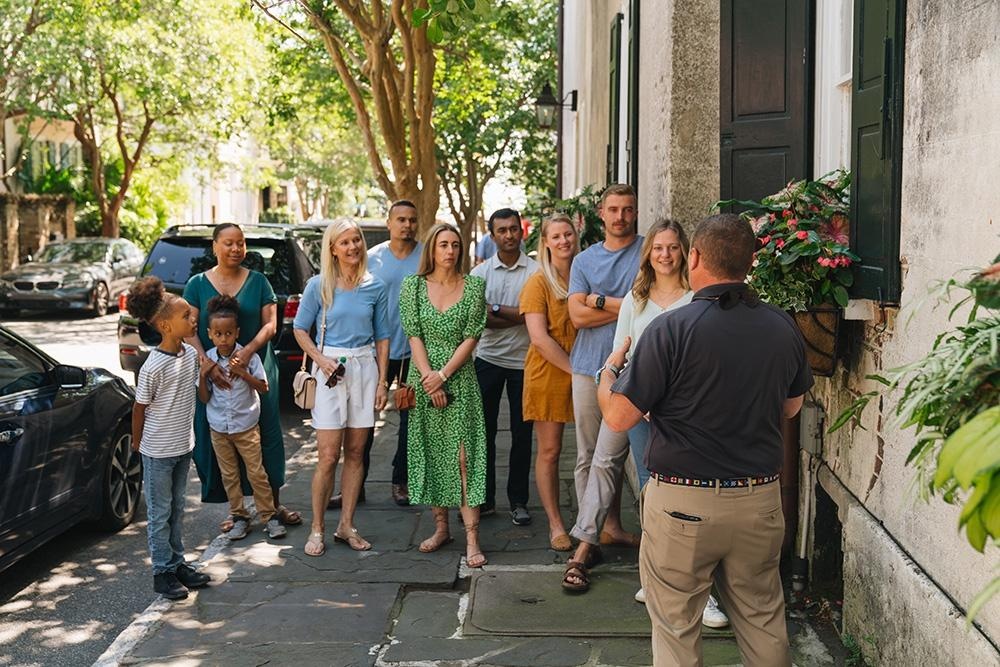
On Ravenel’s guided and self‑guided walking tours, interpretation is woven into place. Naturalists will point out salt‑marsh plants and the subtle changes in substrate that determine which shorebirds feed at which tide. Local guides contextualize sites within the region’s cultural fabric—talking about rice and indigo heritage, Gullah‑influenced communities, and how centuries of water management shaped present shorelines. That blend of ecology and culture is the town’s strength. You aren’t only looking at landscape; you’re uncovering why it looks the way it does, how people have lived with the tides, and where modern conservation efforts are trying to keep habitat intact.
There’s practical elegance to Ravenel’s walking options: short interpretive loops and boardwalks that are friendly to families and older visitors, longer coastal marsh routes for photographers and birders, and farm‑road itineraries that reward a slower, more observational pace. The proximity to Charleston makes Ravenel an appealing half‑day excursion—combine a morning marsh walk with an afternoon in the historic city, or spend a full day pairing a walking tour with kayaking or a scenic drive along tidal creeks. Seasonality matters here in practical ways. Winter and spring offer mild temperatures and peak migrant bird activity; fall has comfortable air and bright light; summer brings heat, humidity, and biting insects—conditions that favor early starts, short routes, and thorough bug protection.
For travelers who value close encounters over dramatic ascents, Ravenel’s walking tours are a masterclass in Lowcountry observation: low angles of light, tidal mosaics, and human stories that surface in conversation and landscape features. Whether you’re a casual stroller, a committed birdwatcher, or a photographer chasing marsh reflections, the town’s modest networks of paths open a quiet, richly textured corner of the South Carolina coast.
Walking tours in Ravenel emphasize ecological interpretation and local context—guides often combine birding, botany, and cultural history into concise routes.
The town’s low topographic relief means walks are approachable for most people, but conditions—muddy boardwalks, tidal timing, and summer insects—change the feel of a route.
The harbor is the gateway, and the Pacific becomes the classroom.
Ravenel is a practical complement to Charleston: use it for a quieter, nature‑focused morning before visiting the city’s urban attractions.
Choose by purpose
Whale watching, snorkeling, sunset sailing, cultural canoeing, harbor sightseeing, or private chartering.
Start near the city
Waikiki and Honolulu Harbor are primary hubs, with some trips launching near Hanauma Bay.
Confirm the vessel
Gangways, shaded seating, and boarding requirements vary according to vessel size and operator.