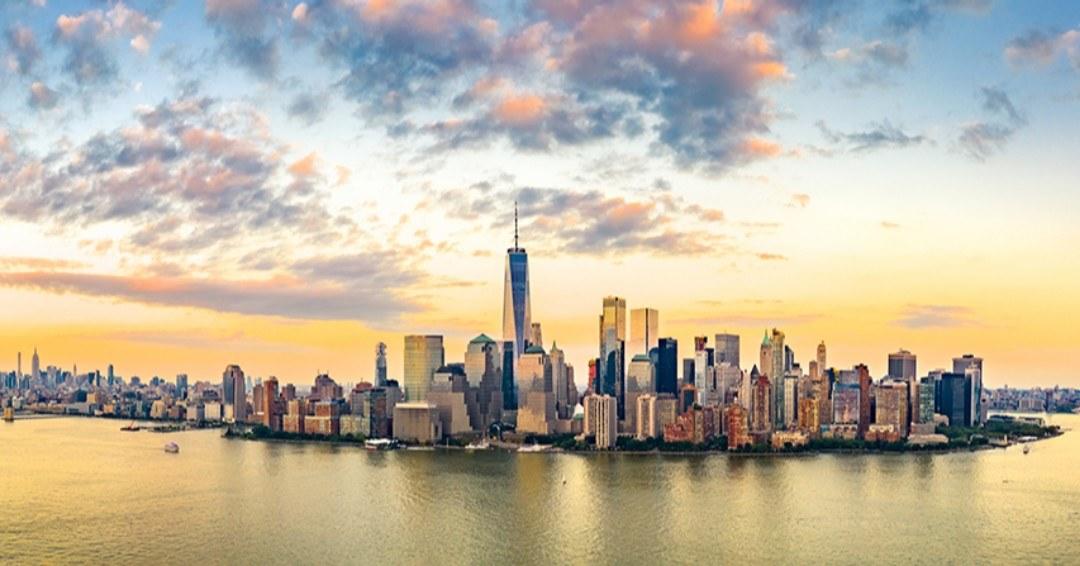
There’s a peculiar kind of hush that comes with lift-off: the quiet between an engine’s steady hum and the wind, a moment where ground routines compress into a single horizon. In Rutherford, that hush is only minutes from a commuter’s morning coffee. The borough’s odd advantage is geographic—tucked into the fringes of the New York metropolitan airspace, yet threaded with low-lying plains and waterways that create accessible corridors for scenic flights, training sorties, and recreational air sports.
What makes the area compelling is contrast. From a low-altitude perspective the Meadowlands flatten into an ever-shifting patchwork of wetlands and gritty industrial edges; from higher altitudes the Manhattan skyline reads like a compass. Pilots and operators who use the nearby general-aviation fields frequently assemble routes that highlight both—flying east toward the Hudson for skyline passes, or west for pastoral views and experiment-friendly airspace. That proximity to urban spectacle plus rural calm gives Rutherford-based excursions a duality that appeals equally to first-time flyers craving a skyline postcard and to experienced aviators who want purposeful cross-country hops without the long drive to typical launch sites.
Historically, northern New Jersey’s role in aviation has been both practical and experimental—small airports and fixed-base operators have long served a bustling commuter region, flight schools, and maintenance hubs. That infrastructure matters for travelers: it creates a network of operators offering a range of experiences—private scenic flights, helicopter tours, introductory glider rides, and access to nearby skydiving centers and indoor wind tunnels elsewhere in the metro area. But there are practical realities layered on top of romantic skyline imagery. The airspace around New York is one of the most regulated in the country; flights require coordination, awareness of temporary flight restrictions, and respect for noise-control rules that protect residential communities.
For planning, that means Rutherford is wonderfully convenient — especially for travelers who want a crisp skyline approach or a short hop over the Meadowlands — but it also rewards preparation. Morning flights when the air is calm produce the smoothest rides; ballooning and ultralight operations prefer stable conditions with light winds. Helicopter tours and fixed-wing sightseeing often pair well with clear days when visibility reveals the entire corridor from the Watchung ridgeline to the Statue of Liberty. For adventure travelers the message is straightforward: Rutherford’s greatest asset is access. Use it to layer experiences—combine a short aerial tour with on-the-ground paddling along the Hackensack River, or follow a skyline flight with a rail-and-food crawl through nearby Hoboken and Jersey City—and you’ll get an itinerary that reads like a flight plan and a day well flown.
Rutherford’s closeness to multiple general-aviation fields and heliports means a wide range of operators and flight types are accessible within a short drive.
The best visuals—Manhattan’s skyline, the Hudson and Hackensack waterways, and the Meadowlands—are most dramatic on clear mornings or golden-hour flights.
The harbor is the gateway, and the Pacific becomes the classroom.
Airspace near NYC is tightly controlled. Expect scheduling constraints around major events and heightened coordination for low-altitude tours.
Complementary activities like kayaking on the Hackensack River, cycling Meadowlands trails, and quick transit into Hoboken or Manhattan make for well-rounded day trips.
Choose by purpose
Whale watching, snorkeling, sunset sailing, cultural canoeing, harbor sightseeing, or private chartering.
Start near the city
Waikiki and Honolulu Harbor are primary hubs, with some trips launching near Hanauma Bay.
Confirm the vessel
Gangways, shaded seating, and boarding requirements vary according to vessel size and operator.