Top 17 Sailing Adventures in San Carlos Park, Florida
San Carlos Park Sailing Guide

Top 17 Sailing Adventures in San Carlos Park, Florida

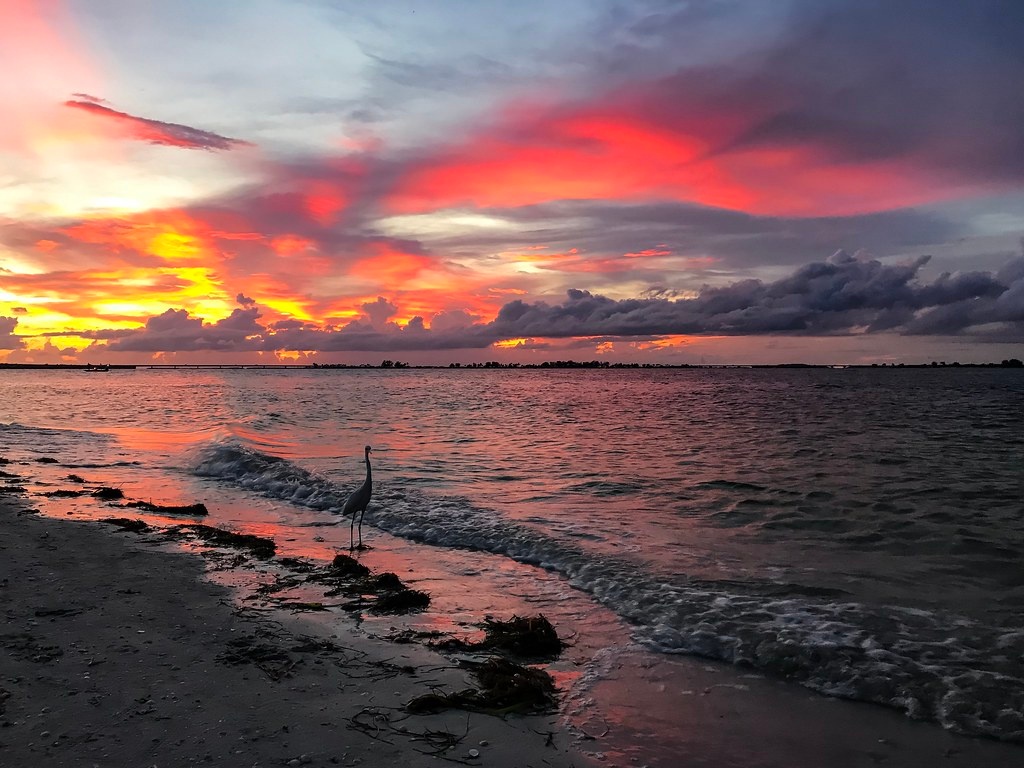
San Carlos Park sits inland but punches above its weight for sailors: the neighborhood’s easy access to the Caloosahatchee River funnels you to Estero Bay and the Gulf of Mexico, creating a compact world of tidal channels, mangrove-lined estuaries, and nearshore islands. Whether you’re learning to tack in protected channels, planning a day sail to shell-strewn sandbars, or hopping to barrier islands at sunset, the local waters reward adaptable sailors with sheltered practice zones, straightforward cruising passages, and wildlife-filled anchorages.

Caloosahatchee RiverEstero BayFort MyersGulf of Mexico

Live destination inventory

Top Sailing Trips in San Carlos Park

17 trips · Book with confidence · Instant confirmation

The prototype intentionally does not invent replacement trip cards or add images that are not already part of the live source page.

The city from the water

Why San Carlos Park Is a Standout Sailing Destination

Sailing out of San Carlos Park is as much about access as it is about atmosphere. The neighborhood’s modest footprint belies its connectivity: short drives take you to public ramps, small marinas, and charter operators along the Caloosahatchee River, the engine that moves local tide and traffic toward Estero Bay. For sailors, that means a quick route from protected training grounds into broader coastal waters. The estuary’s mosaic—mangrove tunnels, oyster bars, shallow flats, and scattered shell islands—creates varied micro-environments where a single afternoon can contain calm bay motoring, precision windward work, and a relaxed sunset anchor off a quiet sandbar. Historically, these waters were the lifeblood of the Calusa and later settlers; today they mix commercial fishing, recreational boating, and protected aquatic preserves. That variety colors the on-water experience: you’ll share channels with working skiffs and the occasional trawler, pass fishermen working lines, and watch bald eagles and wading birds hunt the shallows. The nearby islands—Sanibel, Captiva, and the lesser-known state parks—are day-trip destinations for cruisers and picnic sailors, while the Gulf offers the rawness of open water for those ready to stretch beyond the estuary. The prevailing patterns are familiar to repeat visitors: light thermal winds in the morning and a dependable afternoon seabreeze that fills in from the west. These conditions make the area an excellent classroom for learning sail trim and coastal navigation without the full exposure of deep-ocean passages. Practically, San Carlos Park’s appeal is its balance of shelter and access. Beginners find forgiving waters and short hop distances to protected anchorages; intermediates can practice tidal navigation and explore islands; advanced sailors can plan offshore runs or multi-night passages to the Ten Thousand Islands and beyond. That said, Florida’s charted shallow areas, shifting sandbars, and tidal flows require respect—good charts, local knowledge, and watchful helmsmanship matter. Seasonal notes are essential: winter months bring cooler, drier air and steady trade-like winds, while summer folds in afternoon thunderstorms and the Atlantic hurricane season’s broader considerations. For anyone who loves the tactile work of sailing—setting a course, reefing in a squall, or finding a quiet cove to drop anchor—San Carlos Park is a practical base for a wide spectrum of coastal adventures.

The compact geography creates quick transitions from sheltered learning environments to exposed coastal miles—ideal for mixed-skill groups.

Wildlife and shoreline diversity—mangroves, seagrass beds, and shell islands—make every sail a naturalist’s outing as well as a navigational exercise.

The harbor is the gateway, and the Pacific becomes the classroom.

Local facilities (ramps, small marinas, and charter services) make launching flexible: day sails, skippered charters, lessons, and multiday trips are all accessible.

Seasonal weather patterns are predictable enough for planning: Nov–May is dryer and more comfortable; summer is warm with more thunderstorms and hurricane awareness needed.

Activity focus

Choose by purpose

Whale watching, snorkeling, sunset sailing, cultural canoeing, harbor sightseeing, or private chartering.

Departure hubs

Start near the city

Waikiki and Honolulu Harbor are primary hubs, with some trips launching near Hanauma Bay.

Accessibility

Confirm the vessel

Gangways, shaded seating, and boarding requirements vary according to vessel size and operator.
Seasonal planning

Best Time to Visit

San Carlos Park is warm year-round, but wind, swell, migration, visibility, and demand change the best match between traveler and trip.

San Carlos Park boat tour
Year-round destination

Seasonal highlights change the reason to go

Winter favors humpback encounters; warmer, calmer months favor snorkeling visibility and smoother water.

Humpback season

Winter holidays and spring-break months see higher demand for charters and marina services.

Prime whale watching, winter holidays, higher demand, and earlier sell-outs.

Snorkeling window

November–December–January–February–March–April–May

Typically gentler seas and clearer water for snorkeling trips.

Weather notes

Trade winds year-round

Late fall through spring brings the most comfortable temperatures and more stable offshore winds. Summer is warm and humid with frequent afternoon thunderstorms and falls within the Atlantic hurricane season (June–November). Plan for short-term weather shifts and check marine forecasts before departure.

Quieter opportunities

Late spring & summer weekdays

Summer offers lower charter rates and fewer weekend crowds; mornings can be particularly calm for training sails, though be mindful of afternoon storms and summer marine advisories.

Match the trip to your comfort

Choose Your Experience Level

Low effort

Beginner

Protected channel sailing, instructor-led lessons, and short day sails designed for building confidence with sail trim and basic navigation.

  • Introductory learn-to-sail session on the Caloosahatchee
  • Half-day sunset sail to a nearby sandbar
  • Skippered charter for beginners
Active day trip

Intermediate

Tidal navigation, island hopping in Estero Bay, and day trips that require planning for currents and shallow approaches.

  • Day cruise to Sanibel or Captiva with beaching at a shell bar
  • Bareboat coastal day sail with midday anchorage
  • Practice sail with reefing and channel navigation
Longer or technical

Advanced

Offshore planning, multi-day passages, and navigation through complex tidal systems or open-Gulf conditions that require advanced weather routing and seamanship.

  • Passage planning to the Ten Thousand Islands
  • Overnight cruising and anchoring in remote barrier island coves
  • Offshore runs beyond the jetties with heavy-weather preparedness

Prepare for sun, spray, and swell

What to Bring

Essential

Core kit

  • USCG-approved life jacket for every passenger
  • Water, sun protection (sunscreen, hat, sunglasses with retainer)
  • Waterproof, non-slip deck shoes
  • Light foul-weather layer and a warm mid-layer for cooler winter evenings
  • VHF radio or reliable cell with marine weather app and local charts
Recommended

Useful extras

  • Seasickness medication or patches if you’re prone
  • Waterproof dry bag for electronics and documents
  • Basic first-aid kit and small tool kit
  • Paper charts and a tide/current table for the Caloosahatchee/Estero Bay
  • Sailing gloves and polarized sunglasses for glare reduction
Optional

Trip-specific

  • Snorkel mask for shallow-reef exploration at low tide
  • Small anchor and rode for dinghy or day-anchoring at sandbars
  • Binoculars for bird and wildlife spotting
  • Reusable water bottles and eco-friendly trash bags to pack out waste
Check tide and current charts, confirm local anchoring rules, and monitor marine weather forecasts before every outing.

Insider Tips & Local Knowledge

Reserve whale-watching and popular sunset cruises well ahead during December–April.
Choose morning snorkeling departures for calmer seas and better underwater visibility.
For motion sensitivity, choose a larger vessel, sit mid-ship, and take preventative medication before boarding.
Do not touch coral or wildlife, avoid standing on reefs, and use reef-safe sunscreen.
Community-based operators may add context about traditional navigation and stewardship.
Arrive early for parking and check-in because Waikiki departure areas can be busy.

Planning questions

Frequently Asked Questions

Florida has age and education requirements for boat operators; many local charters provide a captain so a license is not required for guests. If you plan to bareboat, check Florida’s current regulations and any rental company rules.
Top 17 Sailing Adventures in San Carlos Park, Florida
Ready for your sailing adventure?

Browse 17 verified trips in San Carlos Park.

Compare current availability and book with instant confirmation.

Explore San Carlos Park sailing