Why Schofield Barracks Is a Strategic Base for Scuba on Oahu
From the moment you load tanks into a vehicle and head toward the ocean, Oahu reveals itself as a layered marine landscape—calm lagoon reefs, windward barrier reefs, offshore pinnacles, and the scattered silhouettes of artificial reefs and wrecks. Schofield Barracks itself is a practical staging point rather than a shoreline destination: it positions divers near Kaneohe Bay’s shallow coral gardens and barrier reef, the protected inlet of Hanauma Bay, and the North Shore’s more dynamic sites. That proximity matters. You can be rolling in the water at a protected bay within 30–60 minutes of leaving base, which makes early-morning dives and multi-dive days realistic while still returning to comfortable lodging and logistical support.
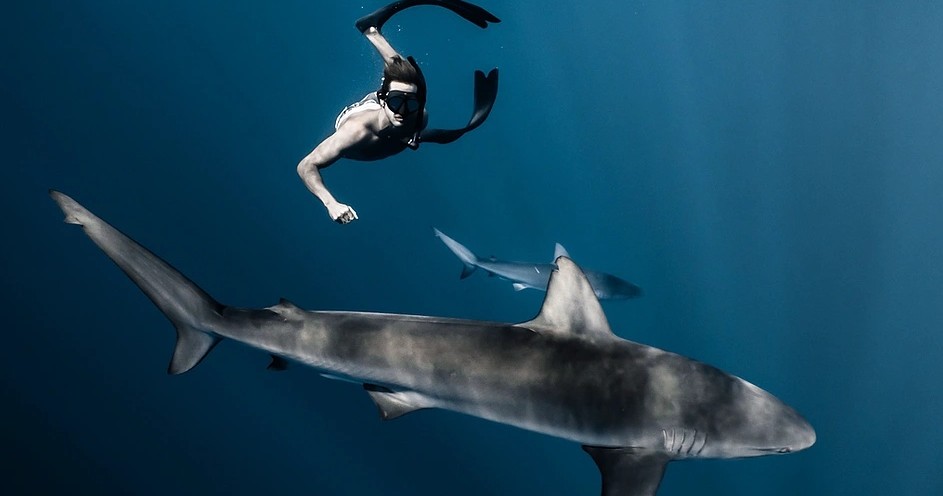
The dive experiences within day-trip range of Schofield span skill levels and moods. For beginners and refresher dives, sheltered reef systems with low surge provide clear, calm water where the rules of buoyancy and reef etiquette can be learned among abundant juvenile fish and bedding sea turtles. For photographers and naturalists, coral gardens and vertical walls stitch together color, texture, and the constant choreography of wrasse, butterflyfish, and cleaner stations. More adventurous outings—boat runs to pinnacles, ledges, and seasonal upwellings—bring larger pelagics into the picture: reef sharks that patrol drop-offs, eagle rays cruising open water, and during winter months, distant splashes from migrating humpbacks at the surface.
Beyond species lists, diving here invites a close look at island oceanography and human stewardship. The windward side’s reef structures are shaped by trade winds and sediment flows; visibility can swing with swell and run-off, and currents reward respect and planning. Cultural context matters, too: Hawaiian communities have long-standing relationships with the sea, and many dive areas overlap with places of historical significance. Conservation-minded divers will find active reef restoration projects and no-take marine preserves nearby; learning local rules and participating in a beach clean or coral monitoring outing can add a meaningful dimension to your trip.
Logistics are straightforward: boat dives commonly depart from sheltered marinas, shore entries are available for low-swell days, and several operators offer guided discovery dives, certification courses, and equipment rental close to Schofield. Plan around swell forecasts and tides, carry certification and medical forms, and choose operators who prioritize reef-smart practices. With a short drive to multiple microclimates and dive types, Schofield Barracks functions as an efficient home base for a scuba itinerary that balances easy, camera-friendly dives with the chance for dramatic, open-ocean encounters.
Accessible training dives and shore entries make Schofield a good base for families and military personnel looking to fit diving into short windows of free time.
Nearby sites offer a mix of protected coral gardens for novices and deeper pinnacles and wrecks for advanced divers seeking big‑animal encounters.
The harbor is the gateway, and the Pacific becomes the classroom.
Conservation and cultural awareness are integral: many sites are within marine protected areas or hold significance to local Kanaka Maoli communities.
Choose by purpose
Whale watching, snorkeling, sunset sailing, cultural canoeing, harbor sightseeing, or private chartering.
Start near the city
Waikiki and Honolulu Harbor are primary hubs, with some trips launching near Hanauma Bay.
Confirm the vessel
Gangways, shaded seating, and boarding requirements vary according to vessel size and operator.