Top Climbing Adventures in Shelburne, New Hampshire
Shelburne Climbing Guide

Top Climbing Adventures in Shelburne, New Hampshire

Shelburne’s climbing scene is compact but varied: a string of granite faces, river-cut cliffs, and sheltered gullies that together support sport lines, traditional routes, bouldering problems, and winter ice. With eleven mapped areas within a short drive or walk of the village, the town is a pragmatic base for climbers who want quick access to rugged northern New England rock without the longer approaches of the high peaks.

White Mountain National ForestConnecticut River ValleyNorthern Granite Crags

Live destination inventory

Top Climbing Trips in Shelburne

11 trips · Book with confidence · Instant confirmation

The prototype intentionally does not invent replacement trip cards or add images that are not already part of the live source page.

The city from the water

Why Shelburne Is a Distinct Climbing Area

Shelburne sits at the intersection of accessible granite and northern New Hampshire’s raw weather, and that combination defines the climbing experience here. The collection of eleven primary crags and climbing zones around town compresses a season’s worth of skills into short approaches: slap on shoes and walk five to twenty minutes and you can be pulling on trad gear, working a slab problem, or stepping into an ice gully in winter. The rock tends toward clean, hard granite with features that reward hand jams and technical footwork; pockets and tufas are less common than the edges and cracks that make up the majority of routes. For visiting climbers this variety is useful—beginners can sample top-rope and easy sport routes near parking, while more experienced leaders will find multi-pitch potential and steep face climbs that require a full rack and route-finding. The community around Shelburne is quietly pragmatic. Unlike heavily developed crags with bolted sport lines on every face, many of Shelburne’s areas reflect a mixed ethic: bolts on some sport sectors, long-standing trad lines that predate bolting campaigns, and a growing but respectful bouldering scene that prioritizes low-impact land access and crash-pad etiquette. Local climbers and seasonal guide services can point visiting parties toward the best objectives for the day—whether that means a sun-exposed slab in May, shaded cracks for a hot July afternoon, or a sheltered couloir that freezes into climbable ice in January. Because the town’s routes sit near roads and short trails, logistics are straightforward: less time on approaches and more time climbing. That accessibility also means brief windows of crowding on summer weekends and peak fall foliage days, but compared with larger White Mountain crags the overall traffic is modest. Environmental and seasonal realities are central to planning here. Spring melt and late-season storms can send runoff through creek-bottom approaches and soften holds; summer thunderstorms bring slick rock and lightning risk on exposed faces. Fall often offers the most stable shoulders—cool days, crisp nights, and dry granite—but it’s also when day users and hikers converge for foliage. Winter transforms several gullies and waterfall-fed chimneys into ice climbs, but those routes can be finicky; temperatures and freeze-thaw cycles determine whether a line is safe. Responsible visiting means checking local conditions, carrying the right protection for the day’s objectives, and leaving no trace: many landing zones, shorelines, and access trails are on mixed public and private parcels where stewardship and cooperative access have preserved opportunities for all.

Short approaches and a mix of sport, trad, boulder, and ice climbing make Shelburne a good place to sample different climbing disciplines in a compact area.

Local climbing ethics balance bolted sport sectors with long-standing traditional lines; newcomers should ask about bolting history and access rules before clipping bolts.

The harbor is the gateway, and the Pacific becomes the classroom.

Seasonal shifts matter: spring and fall are the most comfortable for rock, while winter opens limited but rewarding ice lines if conditions allow.

Activity focus

Choose by purpose

Whale watching, snorkeling, sunset sailing, cultural canoeing, harbor sightseeing, or private chartering.

Departure hubs

Start near the city

Waikiki and Honolulu Harbor are primary hubs, with some trips launching near Hanauma Bay.

Accessibility

Confirm the vessel

Gangways, shaded seating, and boarding requirements vary according to vessel size and operator.
Seasonal planning

Best Time to Visit

Shelburne is warm year-round, but wind, swell, migration, visibility, and demand change the best match between traveler and trip.

Shelburne boat tour
Year-round destination

Seasonal highlights change the reason to go

Winter favors humpback encounters; warmer, calmer months favor snorkeling visibility and smoother water.

Humpback season

Late spring and early fall are busiest for rock climbing, with weekends seeing the highest day-use near roadside crags.

Prime whale watching, winter holidays, higher demand, and earlier sell-outs.

Snorkeling window

May–June–July–August–September–October

Typically gentler seas and clearer water for snorkeling trips.

Weather notes

Trade winds year-round

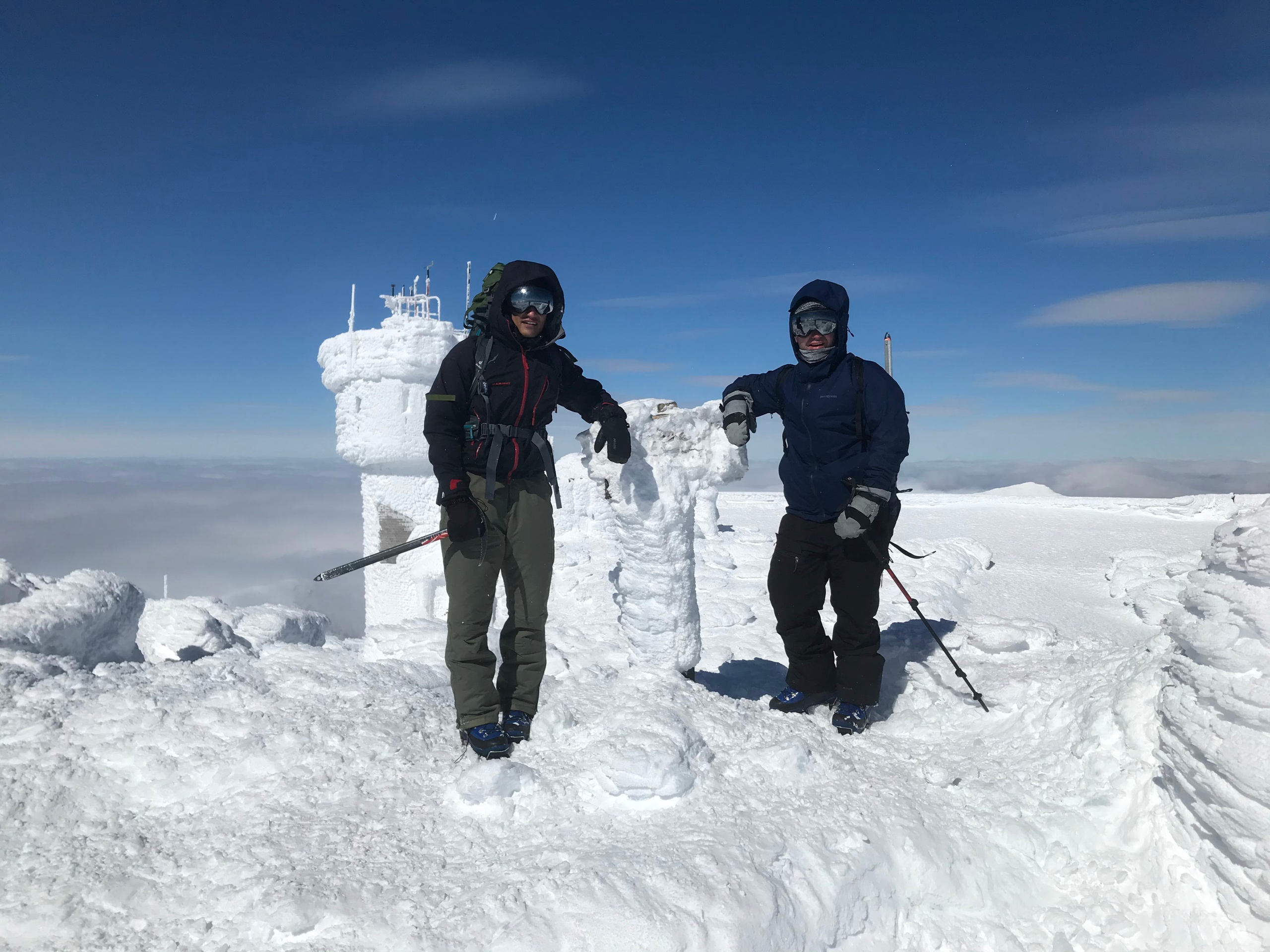
Late spring through early fall offers the most reliable climbing days; expect warm afternoons and the possibility of sudden thunderstorms in summer. Fall brings cooler, drier weather ideal for longer crag days. Winter opens limited ice lines but requires specialized gear and careful assessment of freeze-thaw cycles.

Quieter opportunities

Late spring & summer weekdays

Winter ice climbing on sheltered gullies and frozen flows can be excellent for competent, well-equipped parties; early spring may have wet approaches and soft rock after thaw.

Match the trip to your comfort

Choose Your Experience Level

Low effort

Beginner

Top-roping and easy sport routes with short approaches make Shelburne approachable for newcomers who want to learn movement and belaying without long hikes.

  • Top-rope practice at roadside sport sectors
  • Introductory bouldering problems near parking areas
  • Guided single-pitch lessons covering anchors and safety
Active day trip

Intermediate

Climbers proficient with leads and rack placement will find moderate trad lines, longer sport climbs, and multi-pitch possibilities that challenge route-finding and endurance.

  • Lead a mix of trad and sport pitches on granite faces
  • Linking multiple single-pitch routes for longer days
  • Bouldering circuits that focus on technical footwork
Longer or technical

Advanced

Technical face climbs, steep crack systems, and winter ice lines require advanced anchor-building, efficient ropework, and strong route-reading skills.

  • Long multi-pitch trad ascents with difficult runouts
  • Steep face and mixed climbing in variable conditions
  • Ice and mixed routes in cold weather that demand precise tool use

Prepare for sun, spray, and swell

What to Bring

Essential

Core kit

  • Climbing shoes and helmet
  • Harness, belay device, and locking carabiners
  • Appropriate protection: quickdraws for sport, a trad rack for crack routes
  • Personal anchor, slings, and adequate length of rope (single rope usually sufficient)
  • Water, snacks, and a small first-aid kit
Recommended

Useful extras

  • Approach shoes with good traction for wet or rooty trails
  • Topo or downloaded route beta for offline navigation
  • Crash pad(s) and spotters for bouldering areas
  • Warm layers and a windproof shell for exposed faces and late-day chills
  • Helmet and appropriate ice tools/crampons if planning winter ice routes
Optional

Trip-specific

  • Lightweight trad rack extensions (long slings) for wandering belays
  • Topo photocopies or printed topos to share with partners
  • Camera or phone with extra battery for documenting conditions and aiding route-finding
Confirm access and conditions before you go; leave no trace and respect private property and seasonal wildlife closures.

Insider Tips & Local Knowledge

Reserve whale-watching and popular sunset cruises well ahead during December–April.
Choose morning snorkeling departures for calmer seas and better underwater visibility.
For motion sensitivity, choose a larger vessel, sit mid-ship, and take preventative medication before boarding.
Do not touch coral or wildlife, avoid standing on reefs, and use reef-safe sunscreen.
Community-based operators may add context about traditional navigation and stewardship.
Arrive early for parking and check-in because Waikiki departure areas can be busy.

Planning questions

Frequently Asked Questions

Access varies by crag and ownership. Many areas are on public land or managed access, while some approaches cross private parcels. Before visiting, check local climbing-access resources, or contact regional land managers and local climbing organizations to confirm current access rules and any seasonal restrictions.
Top Climbing Adventures in Shelburne, New Hampshire
Ready for your climbing adventure?

Browse 11 verified trips in Shelburne.

Compare current availability and book with instant confirmation.

Explore Shelburne climbing