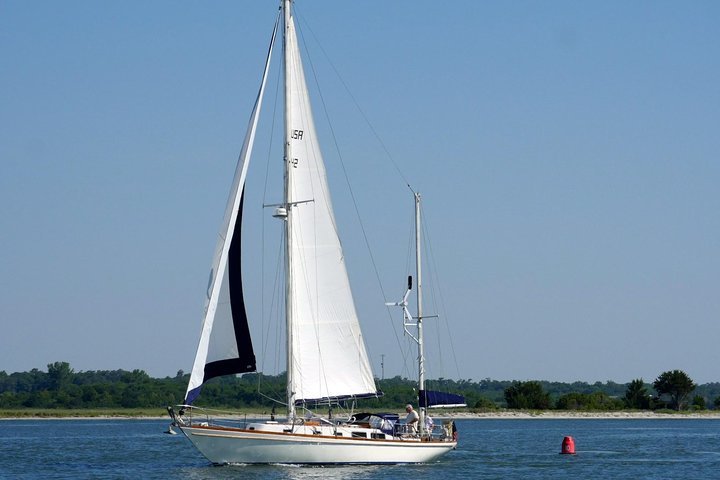
Sneads Ferry sits where the land loosens into water and the work of people and tides becomes visible—mudflat scallops glinting at low tide, shrimp boats slipping past the inlet at dawn, and expanses of salt marsh stitched with silver creeks. For eco-tour travelers who want more than a postcard, Sneads Ferry offers a classroom of living systems: estuarine productivity that feeds birds and fish, barrier islands that shift with storms, and a fishing culture that reads weather and current the way others read maps.
What makes eco tours in Sneads Ferry especially compelling is the scale and immediacy of the landscape. In a single outing you can traverse salt marsh hummocks, paddle through tidal channels edged with marsh wrack, and stand on a sand bar watching oystercatchers and terns feed in a pulsing landscape of incoming water. The town’s identity is tied tightly to its waterways—shrimping is not just an industry but a seasonal rhythm that informs local knowledge. Many guides are born to these tides or have worked alongside fishers; their narration blends natural history with human stories, so a bird identification becomes part of a larger account about how habitats support livelihoods.
Seasons here shape the curriculum. Spring and fall migrations light up the skies with shorebirds and raptors; warmer months bring nesting seabirds, dolphins trailing feeding schools, and night tours that reveal bioluminescent plankton along quieter backwaters. The changing tide—one of the region’s central teachers—governs when and how you explore, which means eco tours are as much about timing as technique. Conservation groups and local operators also use many tours as practical outreach: participants learn about marsh restoration, water-quality monitoring, and how shoreline development affects nurseries for commercially important species.
Accessibility is another strength. Many outings are family-friendly—short boardwalk bird walks, gentle paddle tours in calm estuary arms, or educational harbor trips on covered skiffs—while more focused itineraries target photographers, birders, and citizen-science volunteers. The result is a flexible eco-tour scene: intimate, instructive, and rooted in a working coast. For travelers, Sneads Ferry is less a single attraction and more a series of encounters with a living system—each guided trip layers context onto the scenery, turning marsh grass into a story about resilience, tides into a lesson in connectivity, and a shrimp boat into a line from the town’s ongoing conversation with the sea.
Guides combine natural history with local culture—expect stories from shrimpers, historic notes on the inlet, and practical lessons about tides and navigation.
Wildlife highlights include shorebirds during migration, wintering waterfowl, dolphins in summer, and seasonal sea turtle nesting on nearby barrier islands.
The harbor is the gateway, and the Pacific becomes the classroom.
Many eco tours double as conservation experiences: marsh restoration projects, water‑quality testing, and bird‑count participation are common options.
Tidal timing is central—operators schedule launches around low or high tides depending on the route; ask about tide windows when you book.
Choose by purpose
Whale watching, snorkeling, sunset sailing, cultural canoeing, harbor sightseeing, or private chartering.
Start near the city
Waikiki and Honolulu Harbor are primary hubs, with some trips launching near Hanauma Bay.
Confirm the vessel
Gangways, shaded seating, and boarding requirements vary according to vessel size and operator.