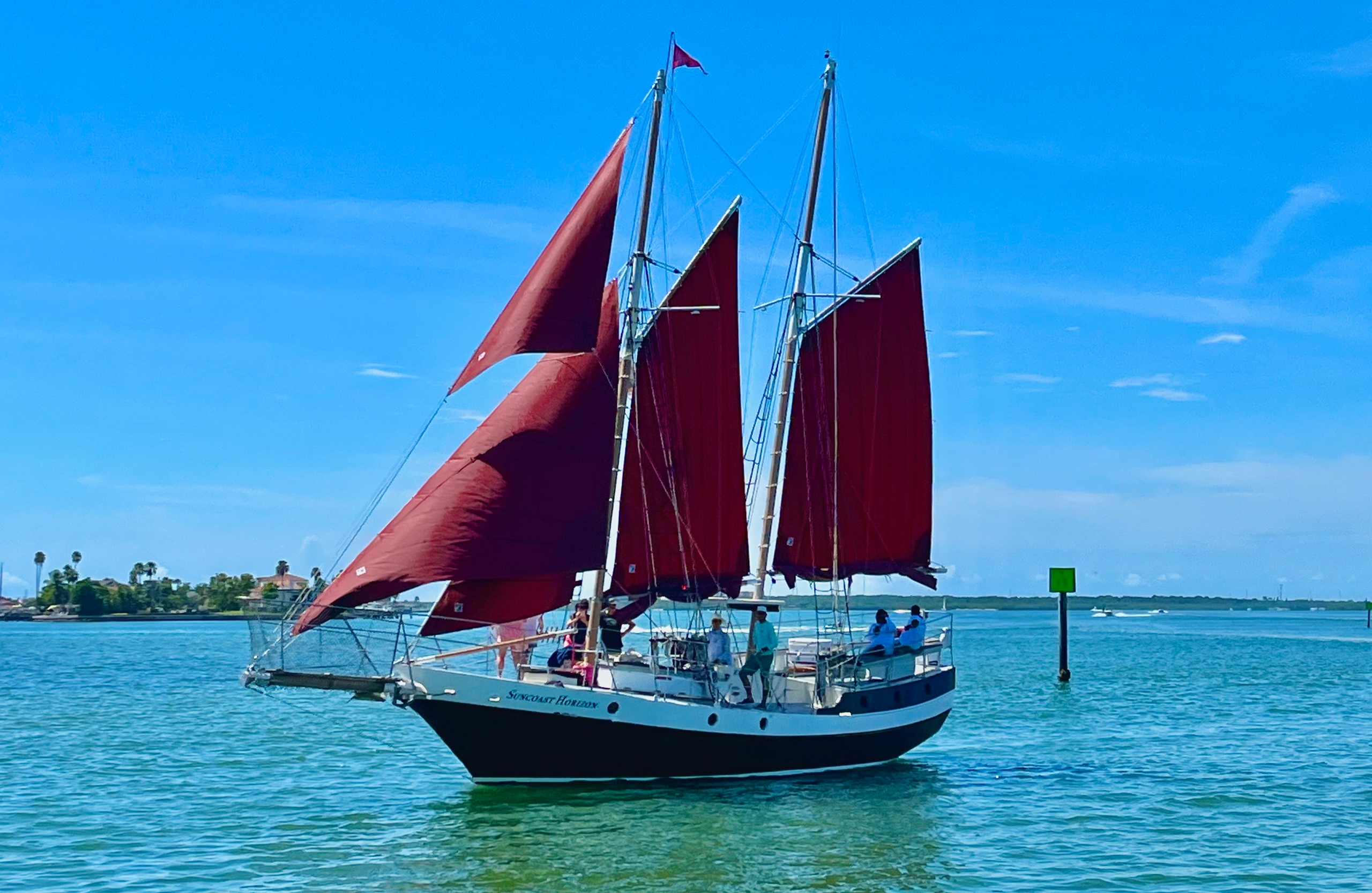
Why South Pasadena Is a Standout Place to See Dolphins
There is a distinct hush that falls over a South Pasadena morning just before the first dolphins appear. The water—measured and shallow—catches the light and the city’s skyline softens behind a ribbon of palms. Bottlenose dolphins here have adapted to a mosaic of habitats: broad, shallow flats, narrow mangrove fingers, and the edges of deeper channels that feed the greater Tampa Bay system. That proximity to shore makes sightings unusually intimate; you’ll often watch dolphins weave between sandbars, ride the wakes of local fishing boats, or skim along the channel edges where fish congregate.
The experience is as much about place as the animals themselves. South Pasadena sits near a confluence of protected areas and urban edges: the sheltered waters of Boca Ciega Bay, the barrier islands that batten the Gulf’s energy, and nearby Fort De Soto’s conservation lands that funnel birds, fish, and mammal life. This creates reliable feeding grounds and travel routes for pods year-round. Seasonal shifts matter—spring brings calving and increased activity, summer layers on salt-sweet heat that concentrates baitfish and draws mothers and young into sheltered coves, while fall and mild winters can see steady, lower-profile movement of resident groups.
Most dolphin encounters here are low-impact and discovery-driven. Local guides emphasize observation and the animals’ welfare over spectacle: slow approaches, maintain distance when requested or regulated, and let the animals choose whether to approach. That ethic is evident whether you’re standing on the South Pasadena Pier at dawn, drifting in a kayak among mangrove roots, or on a small-group wildlife cruise scanning for the telltale arcing grey backs. Beyond the dolphins, the area offers complementary wildlife viewing—shorebirds, raptors, and manatees—and activities that pair naturally with a dolphin-focused itinerary: paddleboarding at sunset, shelling on nearby beaches, or taking a photography workshop that teaches how to capture fast-moving wildlife on water.
For travelers, South Pasadena’s compact scale is part of the appeal: many launch points, public piers, and guided operators sit within a short drive of one another, letting you curate half-day or multi-day dolphin experiences without spending hours in transit. Planning well—selecting the right vessel for comfort, timing trips around tides and wind, and balancing guided tours with self-guided shoreline watching—will turn a casual sighting into a memorable, responsible encounter. The following sections break down practical considerations: when dolphins are most active, what to bring, accessible options for different experience levels, and insider tips from local naturalists and captains.
South Pasadena benefits from a mix of resident and transient dolphin groups; residents are frequently sighted year-round in nearshore waters, while transients move through with seasonal changes in prey.
Local operators emphasize small-group tours and non-invasive practices—approaches that prioritize the dolphins’ choice to engage are both safer for wildlife and produce better sightings.
The harbor is the gateway, and the Pacific becomes the classroom.
Because the habitat is shallow and protected, kayaks and paddlecraft are excellent ways to experience dolphins up close while keeping the encounter quiet and low-impact.
Choose by purpose
Whale watching, snorkeling, sunset sailing, cultural canoeing, harbor sightseeing, or private chartering.
Start near the city
Waikiki and Honolulu Harbor are primary hubs, with some trips launching near Hanauma Bay.
Confirm the vessel
Gangways, shaded seating, and boarding requirements vary according to vessel size and operator.