Sunny Isles Beach is a study in contrasts: a narrow band of sand and skyline where ocean rhythms meet polished high-rises, family-run cafes, and quiet pockets of native coastal habitat. For walkers the place is generous—flat, accessible stretches of promenade and beach that invite a slow pace, punctuated by short detours into mangrove-fringed waterways or shaded residential lanes whose mid-century architecture tells a quieter story of South Florida’s development.
A walking tour in Sunny Isles can be as simple as a sunrise mile along the ocean—bare feet in wet sand, gulls tracing the surf—or as curated as a two-hour cultural walk that moves from the pier’s fishing platforms to a stretch of Collins Avenue where hotels and public art reflect changing design trends. The town’s human scale is part of the appeal: distances are short, points of interest stack naturally, and the city’s beachside identity makes every stroll feel like an immersion in place. But Sunny Isles isn’t just about beachfront glamour. A few blocks inland, native dune systems and pockets of coastal hammock hint at a pre-development landscape; guided ecology walks unveil the plants, shorebird life, and tidal patterns that most visitors never notice.
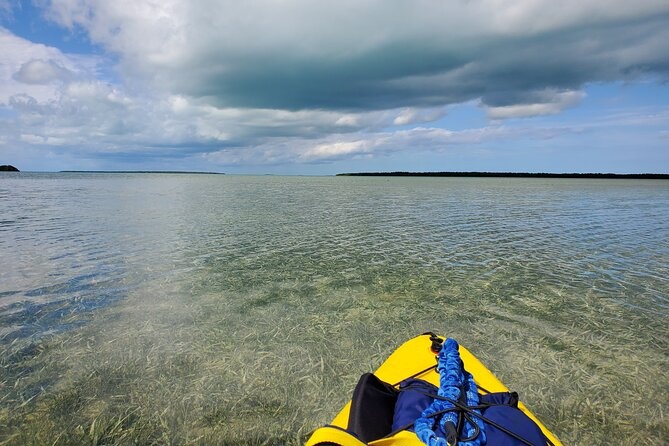
Practical walkers will appreciate the predictable terrain—sidewalks, boardwalks, and packed sand dominate—and the ease of combining a walking tour with complementary activities. Kayak or paddleboard rentals on the Intracoastal open new sightlines to mangroves and soft-shoreline wildlife; a short bike ride connects to the trails of Oleta River State Park where singletrack and shaded loop trails contrast with sunlit ocean walks. For photographers and early-risers, the light is a constant draw: blue, reflective, and often dramatic at dawn when offshore clouds pick up the first color. For slower travelers, educational walks—led by local naturalists or cultural guides—bring depth through stories about maritime history, beach restoration projects, and the immigrant communities that shaped the neighborhood’s cafes and markets.
Walking here is reliably seasonal but reliably rewarding: winter and spring deliver the most comfortable temperatures and calmer seas, while summer invites dramatic skies and lush vegetation at the cost of heat and sudden afternoon showers. Accessibility is strong—many promenades are wheelchair-friendly and public transit connects to neighboring Mid-Beach and Sunny Isles’ pier—but shade can be intermittent, and midday sun is a real consideration. Ultimately, Sunny Isles Beach is an ideal place to stretch a single walk into a layered experience: an easy coastal promenade, an ecological detour, and a cultural stop at a local bakery or gallery—each turn adding context to a shoreline that’s both thoroughly urban and fundamentally coastal.
Because the terrain is predominantly flat, walking tours are unusually approachable for a wide range of ages and fitness levels; families and older travelers can cover meaningful ground without steep climbs.
Complementary activities—paddleboarding, snorkeling near gentle reefs, and short bike rides—extend a walking tour into a full-day exploration without complicated logistics.
The harbor is the gateway, and the Pacific becomes the classroom.
Local guides often fold in topics like coastal resilience, dune restoration, and the migratory patterns of shorebirds, giving even short walks a strong environmental and cultural frame.
Choose by purpose
Whale watching, snorkeling, sunset sailing, cultural canoeing, harbor sightseeing, or private chartering.
Start near the city
Waikiki and Honolulu Harbor are primary hubs, with some trips launching near Hanauma Bay.
Confirm the vessel
Gangways, shaded seating, and boarding requirements vary according to vessel size and operator.