Why Tujunga Works for E‑Biking
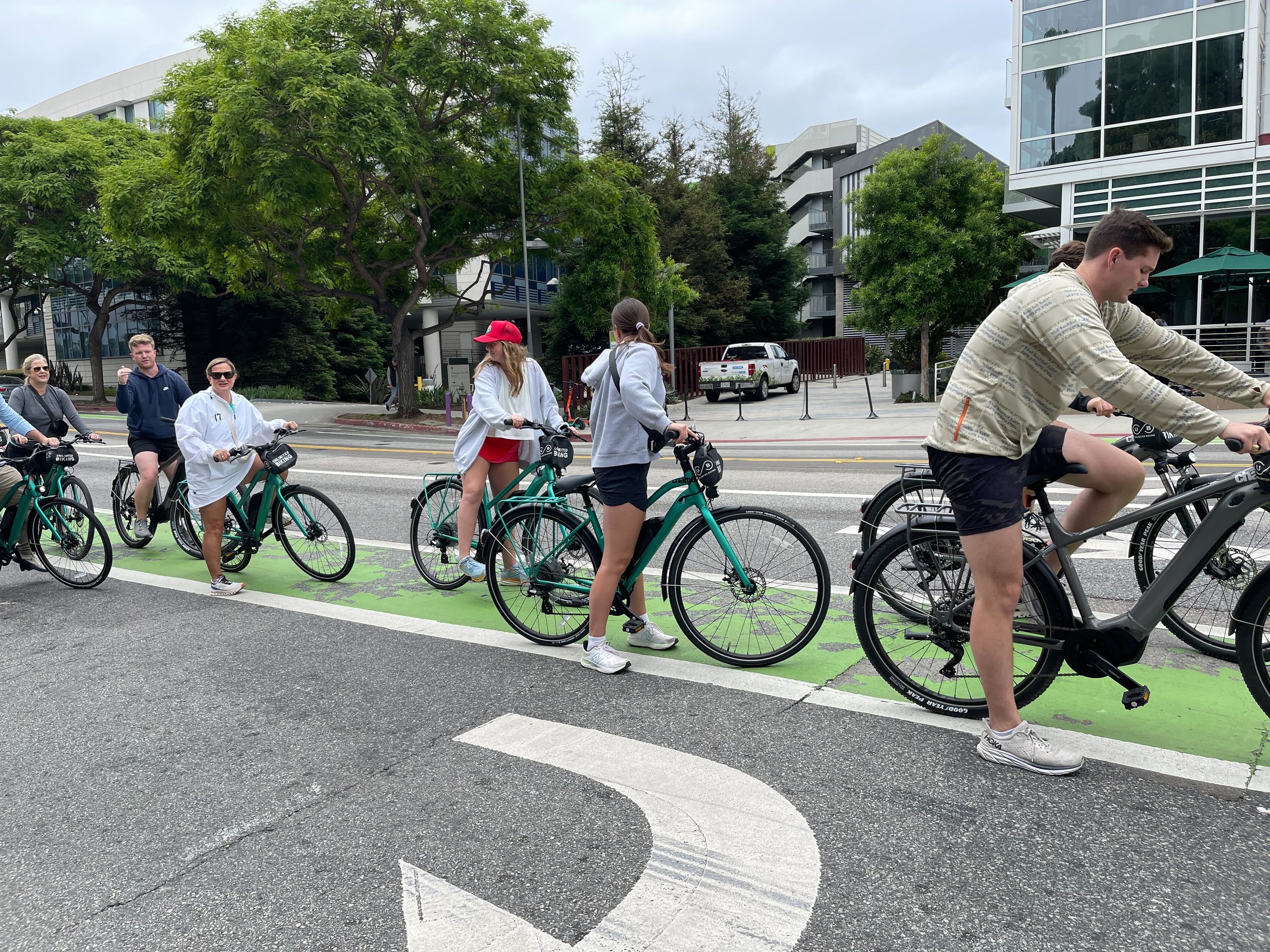
There’s a particular sound to mornings in Tujunga—an impatient hum as e-bike motors wake beneath the first gold of sun spreading down Little Tujunga Canyon. That low, steady assist becomes the thread that ties together a surprising variety of terrain: pavement that snakes up canyon floors, wide graded fire roads that gain long stretches of elevation without technical exposure, and short, rocky singletrack sections that reward careful line choice rather than brute power. For riders who want to stretch a day into an exploratory loop, e-bikes turn otherwise exclusive summits and ridge-lines into reachable goals.
The physical landscape here is straightforward but nuanced. The San Gabriel foothills are dominated by chaparral, oaks, and occasional pine pockets at higher elevations; drainage lines cut steep gullies that create dramatic climbs and descents. Unlike wilderness areas with long, remote backcountry approaches, Tujunga’s trails and roads are often short drives from neighborhoods, making early starts and late returns equally feasible. You’ll pass old ranch roads, water tanks and service roads, occasional equestrian traffic, and the human traces of the valley—small neighborhoods, historic waterworks, and roadside citrus groves—reminders that these routes were shaped by utility as much as recreation.
E-bikes are uniquely suited to this mixture. For casual riders or mixed groups, an e-bike evens out ability differences and keeps longer circuits social; for experienced riders, a pedal-assist lets you explore farther without sacrificing fitness. That said, local rules matter: Angeles National Forest and other land managers have specific regulations about e-bike classes and where they can ride. Always check current trail designations before you roll out. Seasonality also drives the experience—spring brings carpeted hills of wildflowers and manageable temperatures, while summers demand early starts to beat the heat and an honest plan for battery and hydration management. Wildfire season and related closures are an occasional reality; a flexible itinerary and real-time alerts are part of planning.
Beyond the ride itself, Tujunga’s proximity to the broader San Gabriel range makes it a smart base for complementary activities: trail running on adjacent singletrack, birdwatching in the wash, or a mellow gravel cruise through nearby valley roads. Culture seeps in too—the area sits on Tongva lands, and a short drive gets you deeper into the stories of the valley’s early inhabitants and waterworks history. Ultimately, e-biking in Tujunga is less about a single signature climb and more about the freedom to stitch together routes—paved canyons, service roads, and permitted singletrack—into an afternoon of varied terrain, broad views, and a real sense of place.
E-bikes broaden who can enjoy the canyon: families, older riders, and mixed-ability groups can tackle longer loops together because assistance buffers steep, sustained pitches.
Plan around conditions—heat, wind, and seasonal closures shape how far you can responsibly go. Battery management and leaving a contingency for charger access are key practical considerations.
Choose by purpose
Whale watching, snorkeling, sunset sailing, cultural canoeing, harbor sightseeing, or private chartering.
Start near the city
Waikiki and Honolulu Harbor are primary hubs, with some trips launching near Hanauma Bay.
Confirm the vessel
Gangways, shaded seating, and boarding requirements vary according to vessel size and operator.