Fishing Around Volcano Village, Hawaii — Salt, Shore & High-Elevation Angling
Volcano Village Fishing Guide

Fishing Around Volcano Village, Hawaii — Salt, Shore & High-Elevation Angling

Perched on the rim of Kīlauea, Volcano Village is a surprisingly versatile base for anglers who want to pair lava-field hikes and rainforest mornings with serious fishing—whether that means a dawn charter out of Hilo, a surf session along the Puna coastline, or casting in high-country streams and reservoirs. This guide focuses on where to go, when to book, and how to prepare for fishing that respects both the island’s culture and its delicate environments.

Hawaiʻi Volcanoes National ParkKīlauea RainforestHilo & Puna Coastlines

Live destination inventory

Top Fishing Trips in Volcano Village

6 trips · Book with confidence · Instant confirmation

The prototype intentionally does not invent replacement trip cards or add images that are not already part of the live source page.

The city from the water

Why Volcano Village Is a Compelling Fishing Basecamp

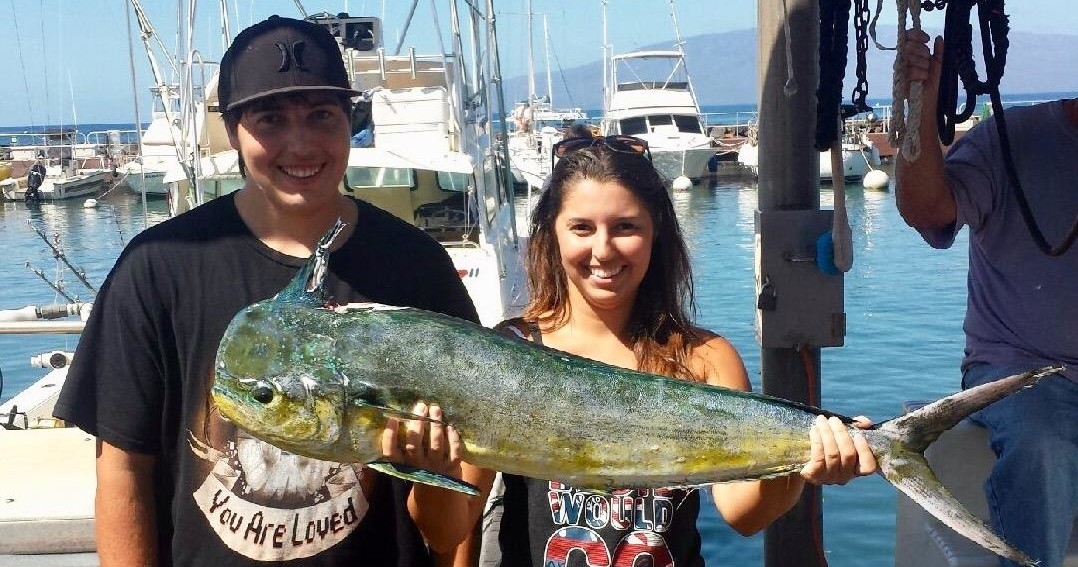
Volcano Village sits at an unusual intersection of landscapes: misty rainforest, volcanic plateaus, and—after a 30–60 minute drive—Pacific coastline. That geographic variety rewards anglers who are willing to trade a little morning fog for access to a broad palette of fishing experiences. From the perspective of planning a trip, Volcano Village is not a one-stop fishing village in the classic sense; instead it’s an intentional staging area. Early risers can swap a cup of strong Kona or Hilo coffee for a light drive down to a charter launch site and be trolling bluewater in an hour. On other days the same traveler can walk a volcanic overlook before following a backroad to a tide pool or lava bench for shore casting as the sun drops into the ocean. The result is a week of nuanced contrasts: big-game fishing off open water, methodical surf and shore sessions, and quiet freshwater excursions among cloud forests and reservoirs. This diversity shapes both the aesthetics and the logistics of a fishing trip. Pelagic action—the mahi, yellowfin, and the occasional marlin that populate the deeper blue—requires a different rhythm than toe-to-toe shoreline battles with reef fish or reef-associated predators. Charters out of Hilo and nearby Kona operate with their own schedules and gear lists, while local surf spots and rocky benches demand nimble rigs and careful attention to safety in uneven currents. Inland, the island’s streams and small impoundments are modest in scale compared with continental lakes, but they reward precise casting and patience, often with introduced species that have adapted to the cooler, higher-elevation waters. Seasonality adds another layer: certain months reliably show larger concentrations of pelagics, while winter swells reconfigure easy shoreline access and create new tidal pockets for shore anglers. Culturally, fishing in and around Volcano Village invites a respectful approach. Hawaiian fishing traditions emphasize place-based knowledge: reading tides, recognizing sacred shoreline features, and observing seasonal closures—especially for nearshore reef harvests. Many local guides and charter operators have deep generational ties to the island; they’re an invaluable resource not only for catching fish, but for understanding ethical practices that keep fisheries healthy. For travellers, that means pairing your enthusiasm with curiosity—ask about local customs, follow catch-and-release guidance where recommended, and leave the reef and shorelines as you found them. Practically, logistics matter: plan for variable weather, factor in drive times to launch points, and book charters or guided shore sessions ahead of the high-season windows. Do so and Volcano Village becomes more than a waypoint: it becomes a nuanced fishing itinerary that pairs volcanic landscapes with world-class Hawaiian waters.

Proximity is the advantage: Volcano Village provides quicker access to Hilo and Puna launch points than many inland bases, making bluewater trips realistic as half-day or full-day commitments.

The experience mix is rich: combine a morning on a bluewater charter with an afternoon surf-casting session along a lava bench, or spend a dawn casting small lures in upland streams and an evening walking tidepools.

The harbor is the gateway, and the Pacific becomes the classroom.

Cultural context matters: local knowledge enhances safety and sustainability. Many operators in the region emphasize traditional practices and seasonal closures, and they can tailor trips to your goals.

Activity focus

Choose by purpose

Whale watching, snorkeling, sunset sailing, cultural canoeing, harbor sightseeing, or private chartering.

Departure hubs

Start near the city

Waikiki and Honolulu Harbor are primary hubs, with some trips launching near Hanauma Bay.

Accessibility

Confirm the vessel

Gangways, shaded seating, and boarding requirements vary according to vessel size and operator.
Seasonal planning

Best Time to Visit

Volcano Village is warm year-round, but wind, swell, migration, visibility, and demand change the best match between traveler and trip.

Volcano Village boat tour
Year-round destination

Seasonal highlights change the reason to go

Winter favors humpback encounters; warmer, calmer months favor snorkeling visibility and smoother water.

Humpback season

Summer months (June–September) typically offer the most reliable pelagic fishing and calmer offshore conditions.

Prime whale watching, winter holidays, higher demand, and earlier sell-outs.

Snorkeling window

April–May–June–July–August–September–October

Typically gentler seas and clearer water for snorkeling trips.

Weather notes

Trade winds year-round

Hawaii’s island climate is moderated by trade winds; however, local conditions around Volcano Village are cooler and wetter than the coast. Ocean conditions vary with swell, trade winds, and seasonal currents—charters and shore operators will watch these and often cancel if safety is a concern.

Quieter opportunities

Late spring & summer weekdays

Winter and spring can bring different species and dramatic coastal scenery; shore anglers may find unique tidepool access after storms, and upland freshwater fishing can be quieter during shoulder seasons.

Match the trip to your comfort

Choose Your Experience Level

Low effort

Beginner

Casual shore and surf fishing sessions with minimal gear and low sea time. Guided half-day charters for basic angling instruction are ideal.

  • Guided shore-casting along protected lava benches
  • Tidepool exploration and light spinning from the rocks
  • Introductory half-day charter focused on nearshore reefs
Active day trip

Intermediate

Full-day charters into deeper water, mixed surf-and-boat itineraries, and targeted freshwater outings that require more precise casting and gear choices.

  • Full-day offshore trolling for pelagics
  • Combined surf and reef trip with a local guide
  • Upland reservoir or stream session targeting introduced species
Longer or technical

Advanced

Bluewater pursuits and technical shore sessions that demand experience with current reading, heavy tackle, or multi-day planning; often paired with offshore drift strategies and advanced tackle setups.

  • Trophy-caliber deep-set trips for large pelagics
  • Challenging rocky-bench sessions in heavy surf
  • Multi-method expeditions combining cast-and-troll techniques

Prepare for sun, spray, and swell

What to Bring

Essential

Core kit

  • Personal flotation device (if not provided by charter)
  • Sun protection: hat, sunglasses, reef-safe sunscreen
  • Quick-dry clothing and a windproof layer
  • Copies of any required fishing licenses (check local regulations)
  • Light first-aid kit and seasickness remedies if prone
Recommended

Useful extras

  • Versatile rod/reel setup for both shore and light offshore work (or confirm with your charter)
  • Polarized sunglasses for spotting structure and fish
  • Waterproof phone case or dry bag
  • Small selection of terminal tackle: leaders, hooks, swivels, and a few lures
  • Low-volume pack or cooler for snacks and hydration
Optional

Trip-specific

  • Wading shoes for rocky shore access
  • Compact camera or action cam with mounting options
  • Handheld GPS or offline map app for remote shoreline spots
  • Lightweight rain shell for upland and tropical showers
Confirm access, weather, and any seasonal closures before leaving the village.

Insider Tips & Local Knowledge

Reserve whale-watching and popular sunset cruises well ahead during December–April.
Choose morning snorkeling departures for calmer seas and better underwater visibility.
For motion sensitivity, choose a larger vessel, sit mid-ship, and take preventative medication before boarding.
Do not touch coral or wildlife, avoid standing on reefs, and use reef-safe sunscreen.
Community-based operators may add context about traditional navigation and stewardship.
Arrive early for parking and check-in because Waikiki departure areas can be busy.

Planning questions

Frequently Asked Questions

Regulations vary by activity (shore vs. boat) and target species. Check Hawaii Department of Land and Natural Resources and confirm with your charter or guide; they often advise about licenses and legal limits.
Fishing Around Volcano Village, Hawaii — Salt, Shore & High-Elevation Angling
Ready for your fishing adventure?

Browse 6 verified trips in Volcano Village.

Compare current availability and book with instant confirmation.

Explore Volcano Village fishing