Top Kayak Adventures from Volcano Village, Hawaii
Volcano Village Kayak Guide

Top Kayak Adventures from Volcano Village, Hawaii

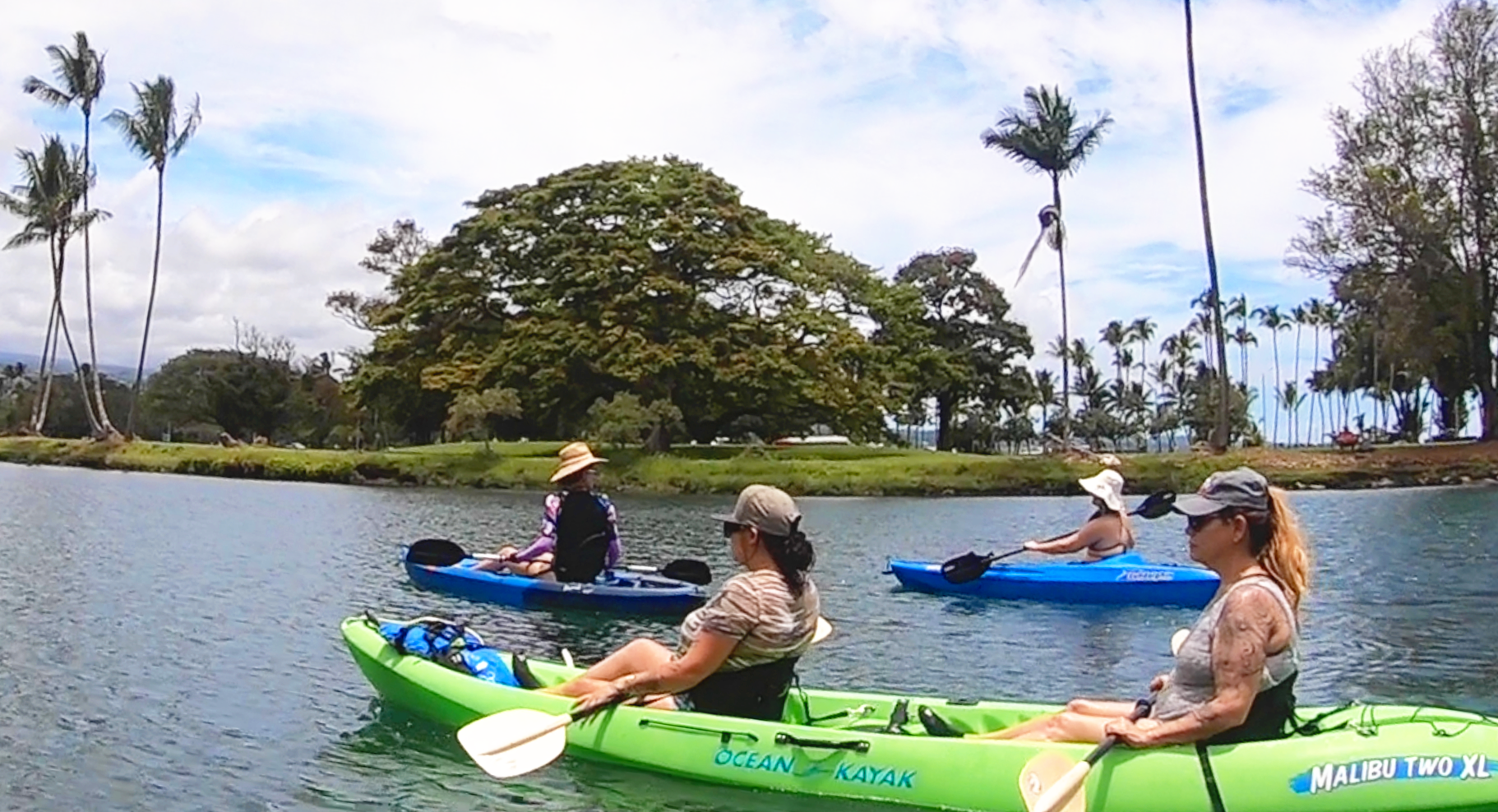
Perched on the cool, mist-splayed slopes of Kīlauea, Volcano Village is an improbable gateway to saltwater paddling. The village itself is a short drive from a dramatic coastline where black lava cliffs tumble into the sea, and from sheltered bays, estuaries and reef-edged coves where kayakers can watch the ocean meet the island’s volcanic geology. From calm estuary floats and guided shoreline explorations to exposed coastal runs that demand surf and current savvy, Volcano Village gives paddlers a basecamp that blends rainforest trails and volcanic vistas with ocean adventure a half-hour to an hour away.

Hawaii Volcanoes National ParkPuna CoastHilo BayLava-formed Shorelines

Live destination inventory

Top Kayak Trips in Volcano Village

6 trips · Book with confidence · Instant confirmation

The prototype intentionally does not invent replacement trip cards or add images that are not already part of the live source page.

The city from the water

Why Volcano Village Works as a Kayak Base

Volcano Village feels like a misfit hero in a kayaking guide: it sits inland, wrapped by fern-lined roads and steam vents, yet it puts paddlers within reach of some of the island’s most elemental coastline. The appeal is not the convenience of a beachfront launch, but the contrast—the way dense wet forest, sulfur-scented steam, and crater silence give way within an hour to the raw edge of the Pacific. For people who travel to feel the meeting of forces, kayaking from Volcano Village is about two acts in one day: morning hikes among pāhoehoe and ʻāʻā flows, then an afternoon in a kayak tracking the sculpted shoreline where lava forms cliffs, caves and tidal gardens. The paddling itself is remarkably varied for such a concentrated area. Sheltered estuaries and protected bays offer placid, beginner-friendly conditions—ideal for learning forward strokes and reading wind. Reef-lined coves provide natural snorkeling corridors and close encounters with fish, sea urchins and, occasionally, resting monk seals or spinner dolphins; approach these animals with space and care. For more committed paddlers, exposed headlands and long coastal stretches demand current awareness, respect for wind-driven surf and good navigation to work around kelp bands, rock gardens and shifting swell patterns. The geology here is the storyboard: layers of lava flows, tidal terraces and black sand beaches reveal recent and ancient eruptions, and paddlers who take a slow line along the coast are rewarded with a tactile history of the island’s growth. Cultural context is a necessary partner to the scenery. This coastline is part of living Hawaiian wahi (places) where moʻokūʻauhau (lineage) and stories of Pele, the goddess of fire, are woven into place names and practices. Many small bays and landing sites are ʻāina pono (culturally significant); paddlers should approach them with humility—ask locals before landing, avoid disturbing ahu (stone markers) or fishing platforms, and prefer guided trips that include cultural interpretation. Environmentally, the reefs and tidepools along these coasts are fragile. Reef-safe sunscreen, keeping a neutral distance from wildlife and staying off marine vegetation are simple practices that protect those systems. Practically, Volcano Village’s altitude and rainforest climate mean variable start times: mornings in the village can be cool and misty, while coastal launches below can be sunny and windy by late morning. Launch access, parking and the presence of rental operations are concentrated in Hilo and pockets of Puna—many paddlers use Volcano Village as a quieter, more reflective basecamp and drive to coastal put-ins at dawn to catch calmer waters. Guided outings are invaluable here; skippers and guides know how to read currents, when to avoid certain lava-sculpted shorelines and where to slip into submerged lava tubes or sea caves safely. For self-sufficient paddlers, tide charts, local weather briefings and an honest assessment of skill level are essential planning tools. The result is a kayaking experience that pairs volcanic wildness with seaworthy pragmatism: intimate, sometimes wild, and always shaped by the island’s dual identities of fire and ocean.

Volcano Village offers an uncommon pairing of upland ecology and coastal paddling: you can hike a volcanic crater in the morning and practice ocean navigation in the afternoon.

Coastal paddles vary from placid estuarine floats to exposed headland runs; choose trips based on tides, swell and wind.

The harbor is the gateway, and the Pacific becomes the classroom.

Respect for Hawaiian cultural sites and fragile marine environments should guide every decision on landings, photography and wildlife encounters.

Activity focus

Choose by purpose

Whale watching, snorkeling, sunset sailing, cultural canoeing, harbor sightseeing, or private chartering.

Departure hubs

Start near the city

Waikiki and Honolulu Harbor are primary hubs, with some trips launching near Hanauma Bay.

Accessibility

Confirm the vessel

Gangways, shaded seating, and boarding requirements vary according to vessel size and operator.
Seasonal planning

Best Time to Visit

Volcano Village is warm year-round, but wind, swell, migration, visibility, and demand change the best match between traveler and trip.

Volcano Village boat tour
Year-round destination

Seasonal highlights change the reason to go

Winter favors humpback encounters; warmer, calmer months favor snorkeling visibility and smoother water.

Humpback season

Late spring through summer draws more visitors to coastal recreation; winter swell season increases interest among experienced sea kayakers seeking bigger conditions.

Prime whale watching, winter holidays, higher demand, and earlier sell-outs.

Snorkeling window

April–May–June–September–October–November

Typically gentler seas and clearer water for snorkeling trips.

Weather notes

Trade winds year-round

Hawaiʻi’s trade-wind pattern and winter swell cycles shape coastal paddling. Summer and spring often bring calmer seas and lighter winds along many shorelines; winter (roughly November–March) can produce larger swells on exposed coasts. Local wind shifts in the afternoon are common—start early for the calmest conditions.

Quieter opportunities

Late spring & summer weekdays

Shoulder months (spring, fall) often provide quieter access and stable water; winter weekdays can offer solitude but also demand higher technical skill for exposed routes.

Match the trip to your comfort

Choose Your Experience Level

Low effort

Beginner

Short, protected estuary floats and calm bay paddles that focus on basic strokes, balance and navigating mild tidal flow.

  • Sheltered estuary paddle
  • Calm bay exploratory float
  • Guided introductory sea-kayak outing
Active day trip

Intermediate

Longer coastal runs with exposure to open ocean, steady currents and occasional surf—requires confident boat control, navigation and self-rescue drills.

  • Reef-edge circumnavigation of a protected headland
  • Cross-channel shuttle between sheltered coves
  • Snorkel-paddle combination trips over reef corridors
Longer or technical

Advanced

Exposed lava-coast expeditions, sea-cave entry, paddling in surf zones and trips that require current timing, surf-launch skills and advanced navigation.

  • Lava-cliff coastal traverse
  • Sea cave approaches with tidal timing
  • Long-distance exposed open-coast crossings

Prepare for sun, spray, and swell

What to Bring

Essential

Core kit

  • U.S. Coast Guard–approved personal flotation device (PFD)
  • Waterproof map or GPS and mobile phone in a dry bag
  • Sun protection (hat, polarized sunglasses, reef-safe sunscreen)
  • Layered clothing appropriate for warm coast and cooler upland
  • Footwear that can get wet and protect against sharp lava rock
Recommended

Useful extras

  • Dry bags for electronics and clothing
  • Whistle and paddle float (basic self-rescue kit)
  • Tide chart and local surf/wind report
  • Light snorkeling mask to explore reef features from the kayak
Optional

Trip-specific

  • Waterproof camera or action-cam with float
  • Lightweight bilge pump or sponge
  • Small first-aid kit with reef-injury supplies (tweezers, antiseptic)
Local conditions, cultural considerations and safety practices matter more here than at many coastal guides—plan, ask, and err on the side of caution.

Insider Tips & Local Knowledge

Reserve whale-watching and popular sunset cruises well ahead during December–April.
Choose morning snorkeling departures for calmer seas and better underwater visibility.
For motion sensitivity, choose a larger vessel, sit mid-ship, and take preventative medication before boarding.
Do not touch coral or wildlife, avoid standing on reefs, and use reef-safe sunscreen.
Community-based operators may add context about traditional navigation and stewardship.
Arrive early for parking and check-in because Waikiki departure areas can be busy.

Planning questions

Frequently Asked Questions

No. Volcano Village is inland; most sea-kayak launches are along the Puna coast or near Hilo. Plan a 20–70 minute drive to coastal put-ins and check parking, access and launch conditions ahead of time.
Top Kayak Adventures from Volcano Village, Hawaii
Ready for your kayak adventure?

Browse 6 verified trips in Volcano Village.

Compare current availability and book with instant confirmation.

Explore Volcano Village kayak