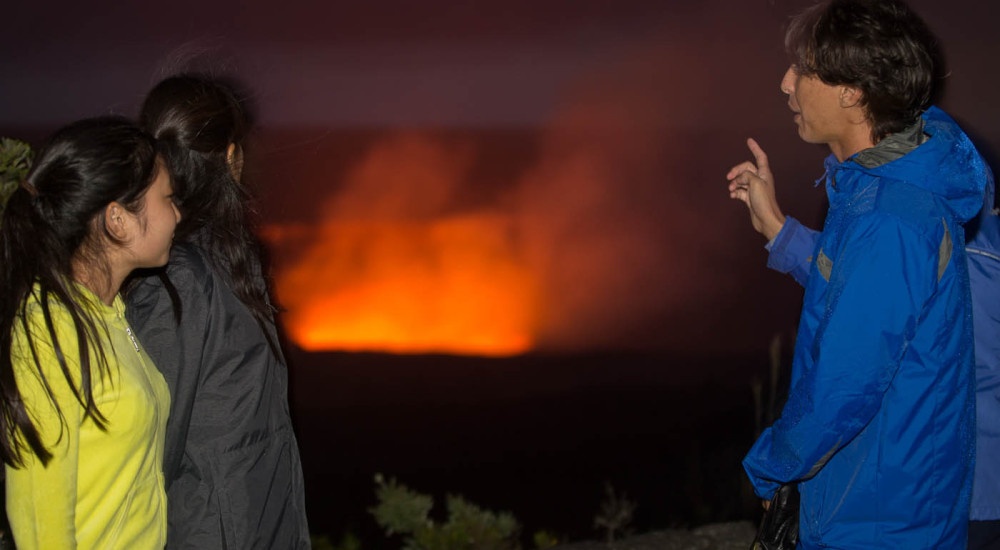
Why Volcano Village Is a Standout for Photography Tours
Volcano Village is an odd and beautiful crossroads where fire and forest meet—an intimate, accessible base for photographers drawn to elemental landscapes. Within minutes you can move from moss-draped trails and cascading streams to barren black fields of hardened lava, steaming vents, and broad caldera views that change by the hour. That proximity of contrast is the central appeal: you can shoot micro textures in a fern grotto in the morning, frame a panoramic of the summit by midday, and stand beneath a galaxy-splashed sky after dark without a long drive. Guides in the area specialize in sequencing those photo opportunities so you aren’t fighting light or access; they know where to place you for glow, where to find reflections in ephemeral puddles, and how to read volcanic steam for moody compositions.
Cultural context is intrinsic to photography here. The landscapes are living places with deep Hawaiian meaning, and experienced guides weave stories about land, lava, and the deities tied to Pele into route planning and interpretive stops. That matters in practice: many prime compositions sit near culturally sensitive sites or fragile botanical pockets. A good tour balances creative objectives with respect—staying on durable surfaces, avoiding off-trail trampling, and observing park rules keeps access open for future photographers. Environmentally minded tours also minimize footprints, practice leave-no-trace shooting, and prioritize smaller groups to reduce disturbance
Technically, Volcano Village offers opportunities across the photographic spectrum. Night-sky and aurora-of-fire imagery is a signature—long exposures of lava glow against volcanic silhouettes or time-lapse sequences of steam and stars. Macro and botanical workshops exploit the village’s rich understory: orchids, ʻōhiʻa blossoms, and ferns with dramatic texture. For landscape photographers, composition practice includes foreground texture (lava pahoehoe, tree roots), midground steam or bodies of water, and background rim or crater light. Seasonal weather—trade-wind lapses that bring low cloud, sudden shower bursts, or clear, crisp winter nights—adds unpredictability that creative photographers learn to use. For travelers wanting a rounded trip, tours often pair photography instruction with short guided hikes, birdwatching, and cultural visits to local galleries or lava-formed coastline viewpoints. Practical planning—understanding local road closures, park advisory notices, and equipment protection from volcanic grit and rainforest humidity—makes the difference between a good shoot and an expensive misadventure. This guide arms you with what to expect, when to go, and how to pack so your time in Volcano Village produces images that reflect the place’s fierce, fragile beauty.
Small-group photography tours maximize light-window flexibility and reduce pressure on fragile landscapes; many operators also offer private sessions tailored to specific technical goals—night-sky, macro, or time-lapse.
Volcanic activity and weather are inherently changeable; the most reliable images come from itineraries that plan for alternate shooting locations and flexible timing.
The harbor is the gateway, and the Pacific becomes the classroom.
Respect for cultural sites and microhabitats is a constant on quality tours—ask about route choices and group sizes when booking.
Choose by purpose
Whale watching, snorkeling, sunset sailing, cultural canoeing, harbor sightseeing, or private chartering.
Start near the city
Waikiki and Honolulu Harbor are primary hubs, with some trips launching near Hanauma Bay.
Confirm the vessel
Gangways, shaded seating, and boarding requirements vary according to vessel size and operator.